







Deputy Speaker of Parliament Thomas Tayebwa has urged parliamentary committee chairpersons to conduct regular field visits to bring Parliament closer to the public, strengthen oversight and improve the quality of legislative debates.
Tayebwa said direct engagement with communities would enable legislators to assess the implementation of government programmes firsthand, gather reliable information and make more informed decisions when scrutinising ministerial policy statements.
He said the approach would also improve Parliament’s public image and advance its vision of becoming a transformed, independent and people-centred institution.
“Can we take Parliament to the people? That will help improve the image of Parliament. The best way to take Parliament to the people is not people coming to Parliament,” he said.
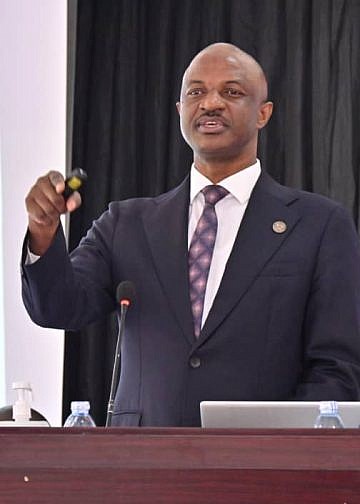
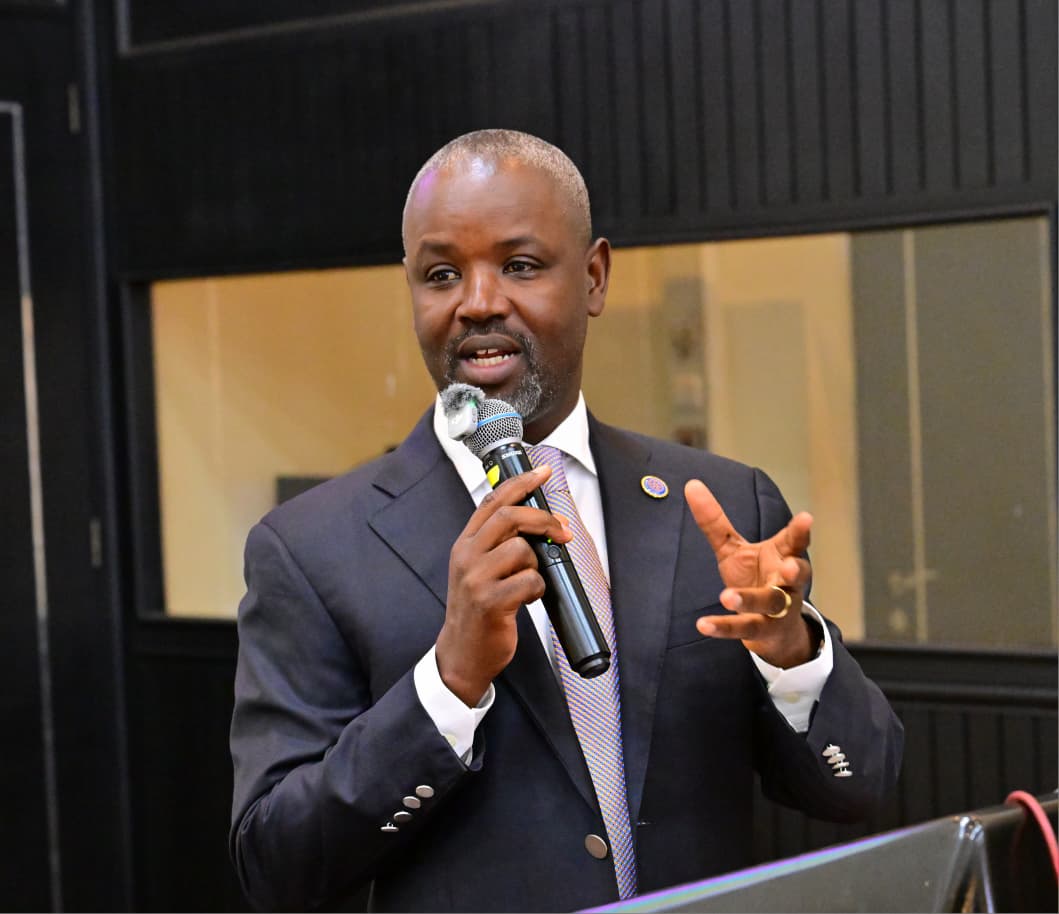
Tayebwa made the remarks on Thursday while opening a quarterly meeting of sectoral committee chairpersons and regional and zonal whips at Mestil Hotel in Kampala. The meeting, convened by Chief Whip Jane Ruth Aceng, was intended to assess their performance during the first quarter.
The Deputy Speaker urged parliamentary committees to visit communities and establish whether government programmes were delivering the intended results.
He emphasised that field visits should not be treated merely as opportunities to prepare reports for Parliament, but as a means of gathering practical information to inform legislative work and oversight.
“Let the committees go to the field. Go and be felt. Going to the field doesn’t mean that you should bring a report to Parliament. No, you will get information which will enable you to do your work when you’re processing ministerial policy statements,” Tayebwa said.
Speaker of Parliament Jacob Oboth-Oboth has committed funds previously held under his office to parliamentary committees to strengthen their capacity to conduct oversight activities.
The additional funding is intended to ensure that committees have the resources needed to engage communities, assess government projects and scrutinise public expenditure.
Tayebwa also called on Members of Parliament to play a central role in translating Musevenomics, Uganda’s homegrown economic philosophy, into legislation, budget priorities and effective oversight of government programmes.
He said Parliament should ensure the philosophy goes beyond political messaging and becomes a practical framework for increasing production, creating wealth and improving household incomes.
“Parliament must anchor Musevenomics in law and in the budget,” Tayebwa said, identifying legislation, public funding and oversight as key instruments for its implementation.
Musevenomics combines market efficiency, strategic government guidance and social inclusion. Its stated priorities include value addition, industrialisation, infrastructure development, regional integration, fighting corruption and human capital development.
Tayebwa outlined five priorities for Parliament: promoting value addition through legislation, financing infrastructure that supports production, strengthening oversight of the Parish Development Model and Emyooga, legislating on land consolidation and tenure security, and promoting regional integration to expand markets.
On value addition, Tayebwa urged Uganda to reduce its dependence on exporting raw materials and instead invest in domestic processing, packaging and branding to capture more value from its agricultural and mineral resources.
“No more export of raw coffee beans, raw dairy, raw minerals. We must roast, grind, process, package and brand from Uganda,” he said, according to the presentation.
He argued that expanding local processing would support industrialisation, create employment and improve the earnings of producers by allowing Uganda to capture a greater share of value along production chains.
Tayebwa also stressed the importance of parliamentary oversight in ensuring that public funds are used for their intended purposes and that government programmes deliver measurable benefits.
He singled out the Parish Development Model and Emyooga as programmes requiring effective scrutiny to ensure resources reach the intended beneficiaries and support productive economic activities.
He further called for legislative and budgetary measures to support infrastructure development, improve land tenure security and strengthen regional integration, which he said could expand markets for Ugandan goods and services.
The meeting provided an opportunity for parliamentary leaders to review committee performance and discuss ways of improving legislative effectiveness, public accountability and the implementation of national development priorities.
Tayebwa’s remarks underscored the role of Parliament in connecting policymaking with citizens’ experiences while ensuring that government programmes translate into tangible economic and social benefits.