







For many premature babies in Uganda, survival is not decided in the hospital—it is decided in the quiet, uncertain weeks after they leave.
Once discharged, families step away from incubators, nurses, and constant monitoring into homes where the risks are less visible but just as deadly.
Infection, poor feeding, and lack of knowledge quickly turn what seemed like a successful recovery into a life-threatening situation. It is within this overlooked window that Isabelle Furaha has built her life’s work.
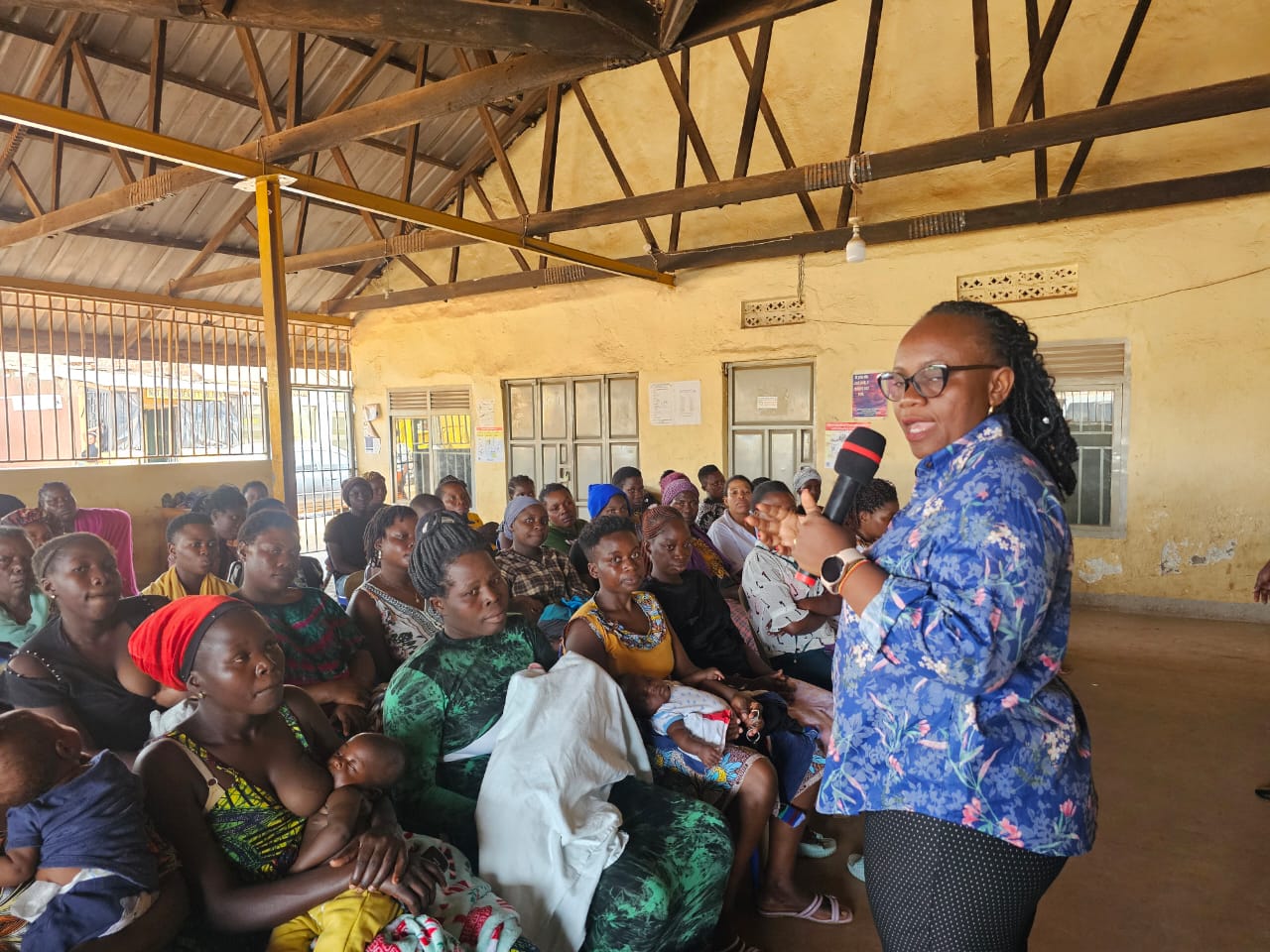
Every week, Furaha leads a network of volunteers tracing the fragile path of these babies beyond hospital walls—into communities, homes, and sometimes the most difficult living conditions.
They check on feeding, teach mothers how to maintain warmth using simple methods, and watch closely for early danger signs. In many cases, these visits come just in time.
Furaha is the founder of Mama Tulia Ministries, an organisation that is quietly reshaping how newborn care is delivered in Uganda by focusing not just on survival at birth, but survival after discharge. Her model challenges a long-standing gap in the health system, where care often ends the moment a baby leaves hospital.
That approach is now drawing global attention. This week, Furaha received the Innovation and Collaboration Award at the Global Foundation for Care of Newborn (GFCNI) Summit in Germany, recognising a model that is proving both practical and lifesaving in low-resource settings.
Yet for Furaha, the recognition is less about the award and more about what it represents. “Our work has always been about collaboration,” she said. “From our staff to volunteers and partners, this recognition belongs to everyone involved in supporting these families.”
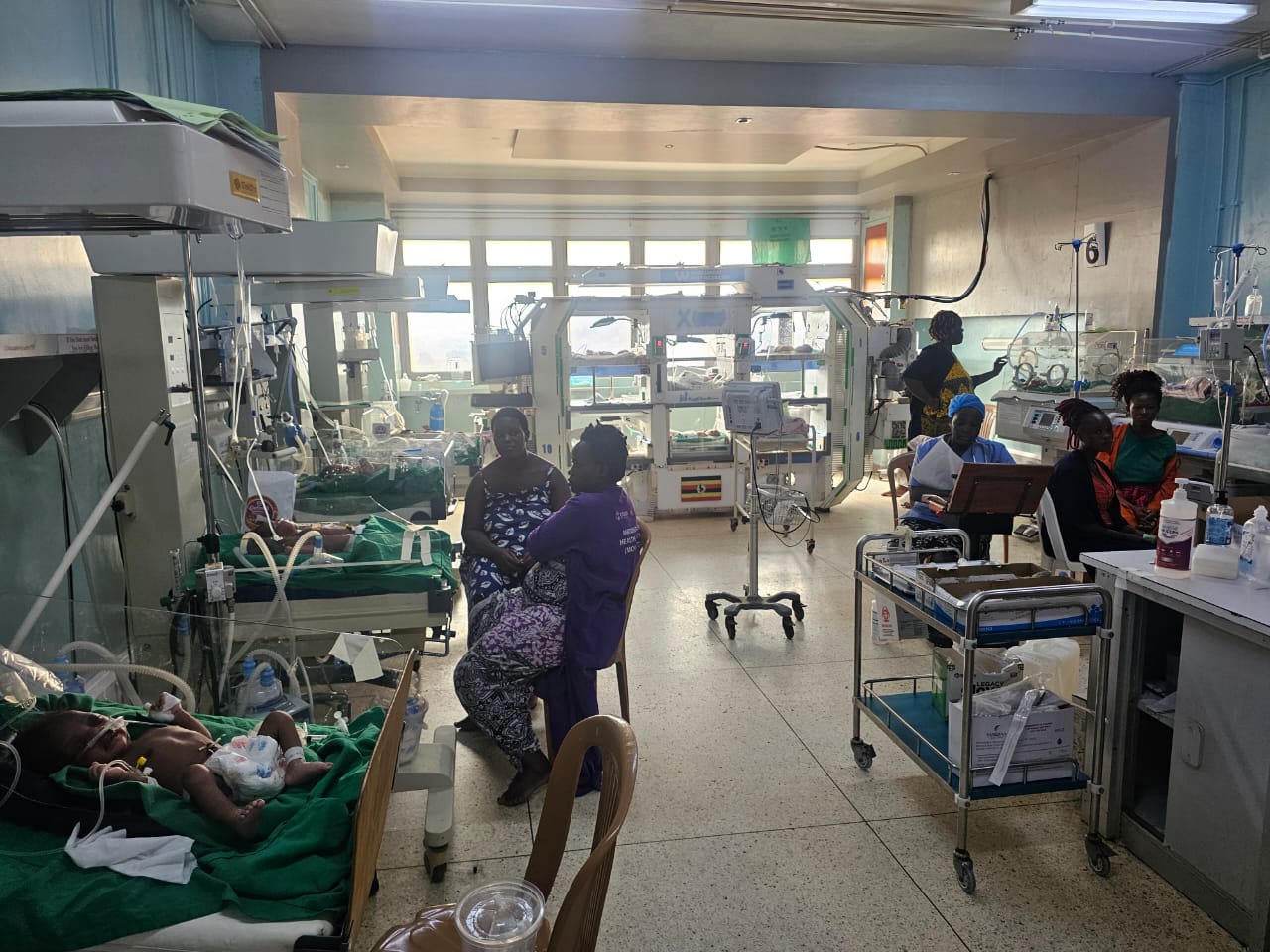
In Uganda, advances in neonatal care have improved the chances of premature babies surviving their first days, but the period that follows remains dangerously under-supported.
Many mothers leave hospital unprepared for the level of care required, while health systems struggle to provide consistent follow-up. Furaha’s response has been to build a continuum-of-care model that starts in hospital and extends deep into communities.
Through Mama Tulia, mothers are prepared before discharge, guided through the transition home, and supported through regular follow-ups.
The organisation also provides specialised interventions, including screening and treatment for Retinopathy of Prematurity (ROP), a condition that can lead to blindness if not detected early.
More than 2,000 babies have been screened, with 262 diagnosed and 243 successfully treated—interventions that have preserved sight for hundreds of children.
Over the years, the initiative has reached more than 10,700 mothers and babies and conducted over 7,600 home visits, quietly building a safety net where none existed before. But Furaha’s work goes beyond medical care.
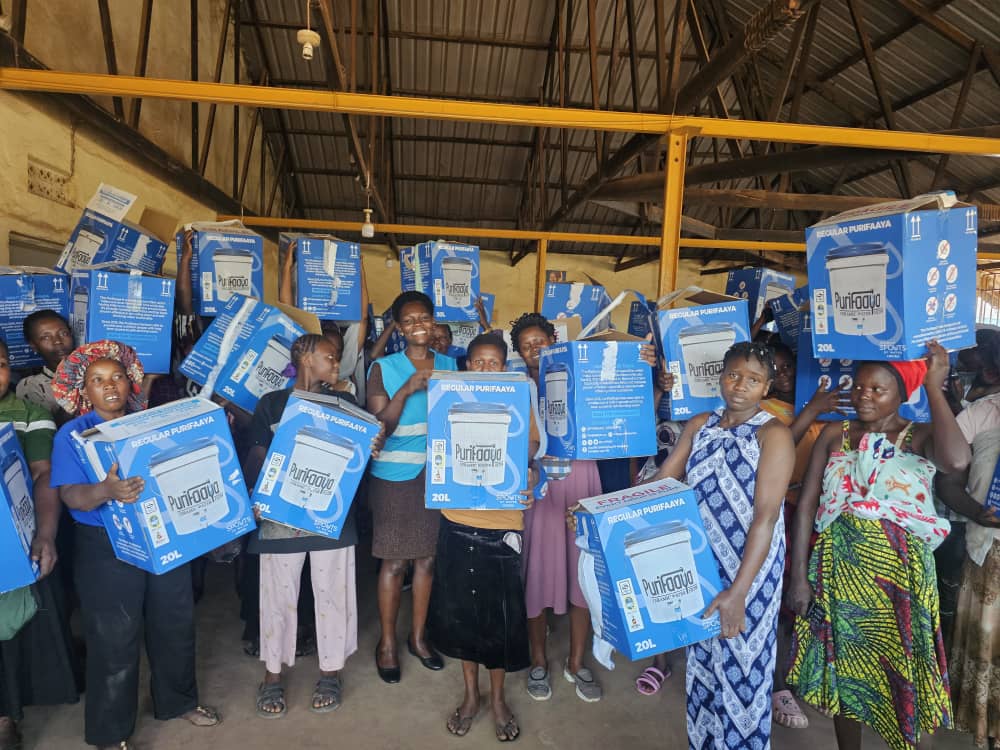
By distributing water filters and offering psychosocial support—especially to teenage mothers—her team addresses the conditions that often determine whether a baby survives. Efforts to involve fathers are also shifting traditional caregiving roles, strengthening support systems at household level.
Earlier this year, the organisation expanded its reach with the launch of the Tulia Tender Nest Transition Home, a space designed for mothers and babies who are not yet stable enough to return home.
Since February, it has supported over 20 mothers and 24 babies, offering close monitoring and preparation for life beyond the facility.
Health experts say such integrated, community-based models could be key to improving newborn survival rates in low-resource settings, where the biggest risks often lie outside hospital care.
For Furaha, however, the mission remains grounded in the everyday realities she encounters. The fragile infants, the anxious mothers, the long journeys between homes—they all point to a simple truth: survival does not end at discharge.
By focusing on the weeks most systems overlook, she is not only saving lives—she is redefining where the fight for survival truly begins.