










The Ministry of Health has confirmed an outbreak of Ebola Bundibugyo Virus Disease in Uganda following the detection of an imported case from the Democratic Republic of Congo (DRC).
According to the Ministry, the confirmed case involved a 59-year-old Congolese man who was admitted to Kibuli Muslim Hospital on May 11, 2026, after presenting with fever, respiratory distress, abdominal pain, nausea, and difficulty passing urine.
His condition later deteriorated, and he died in the Intensive Care Unit on May 14, 2026, after developing bleeding symptoms.
The body was reportedly transported back to the DRC the same evening.
The Ministry said it received alerts on May 15, 2026, from health authorities in the DRC regarding a suspected Ebola Virus Disease case. A sample previously collected from the deceased was tested at the Central Public Health Laboratories in Wandegeya and confirmed as Ebola Bundibugyo Virus Disease.
Health officials emphasized that this is an imported case and that Uganda has not yet recorded any locally transmitted infections.
The Ministry of Health has since activated national and district-level emergency response measures, including intensified screening at border points, enhanced surveillance along major transit routes, and the deployment of rapid response teams in high-risk districts.
Mobile laboratory services have also been deployed to Bwera Hospital, alongside strengthened isolation, infection prevention, and risk communication measures.
One high-risk contact, identified as a close relative of the deceased, has been isolated, while other contacts are under quarantine and close monitoring.
The Permanent Secretary in the Ministry of Health, Dr. Diana Atwine, confirmed that the country’s emergency response systems had been activated to prevent further spread of the disease.
She said health teams are working closely with border districts and surveillance units to contain the situation.
“This is an imported case from the DRC. The country has not yet confirmed a local case. We have activated response teams at national and district levels, including screening at points of entry, isolation measures, and rapid response systems,” Dr. Atwine said.
She urged health workers to remain highly alert.
“We urge all health workers to maintain the highest level of suspicion and observe strict infection prevention and control measures. Private clinics are also encouraged to follow standard operating procedures and report any suspected cases immediately,” she said.
The Ministry has advised the public to avoid physical contact with anyone showing Ebola-like symptoms such as fever, vomiting, unexplained bleeding, and severe fatigue.
Ugandans have also been urged to maintain regular handwashing, avoid contact with bodily fluids, and promptly report suspected cases to health authorities.
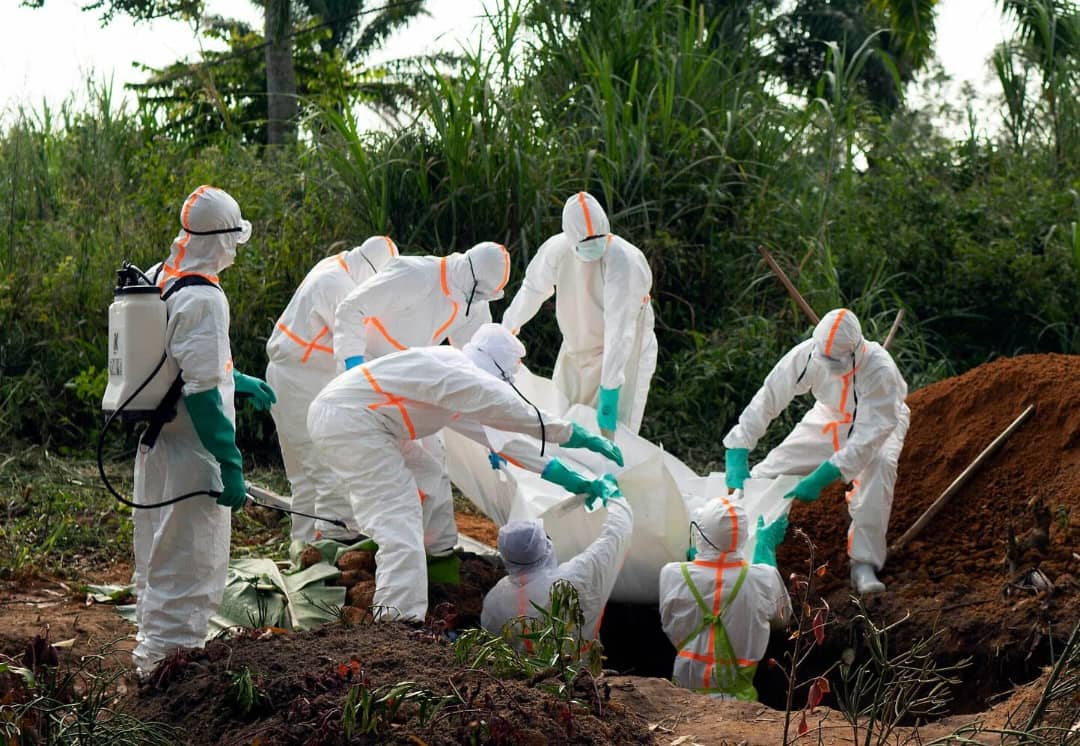
“In case you or a colleague develops symptoms, seek medical care immediately and avoid handling bodies suspected of Ebola. Safe and dignified burial procedures must be followed,” the Ministry advised.
A toll-free hotline, 0800-100-066, and SMS line 6767 have been activated for reporting suspected cases.
Uganda last experienced an Ebola outbreak in April 2025, which was successfully contained within three months. Health authorities recorded 14 cases, including 12 confirmed and two probable infections.
Four deaths were reported, while 10 patients recovered. A total of 534 contacts were identified and closely monitored during the outbreak response.
The Ministry said lessons learned from the previous outbreak have strengthened Uganda’s preparedness systems, enabling a faster response to the current case.