























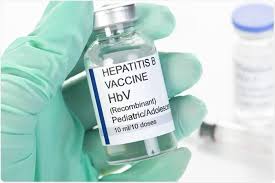
Uganda has introduced the Hepatitis B birth dose (HepB-BD) into its national immunization schedule, a move the Ministry of Health says will shield newborns from mother-to-child transmission of the virus.
Health experts emphasize that the vaccine must be administered within the first 24 hours of birth to be effective. Without it, up to 90% of infants born to infected mothers risk developing chronic hepatitis B, which can lead to cirrhosis and liver cancer in later life.
Ministry of Health spokesperson Emmanuel Ainebyoona hailed the rollout as a milestone in Uganda’s hepatitis elimination efforts.
“We have made progress with vaccination of adolescents and adults, as well as screening and treatment services. The birth dose closes the gap by safeguarding newborns against lifelong complications,” he said.
For over a decade, Uganda has focused on vaccinating adults and adolescents in high-burden regions, alongside expanded screening and treatment.
The new policy now extends protection to the youngest population, aligning Uganda with World Health Organization (WHO) recommendations on timely newborn vaccination as part of global hepatitis elimination targets by 2030.
Ainebyoona urged health workers, parents, and communities to prioritize the intervention.
“This is a life-saving intervention that we must all embrace if we are to secure a healthier future for our children and generations to come,” he said.