








Uganda risks losing lucrative regional and international grain markets unless it addresses persistent quality challenges, particularly aflatoxin contamination, the East African Grain Council (EAGC) has warned.
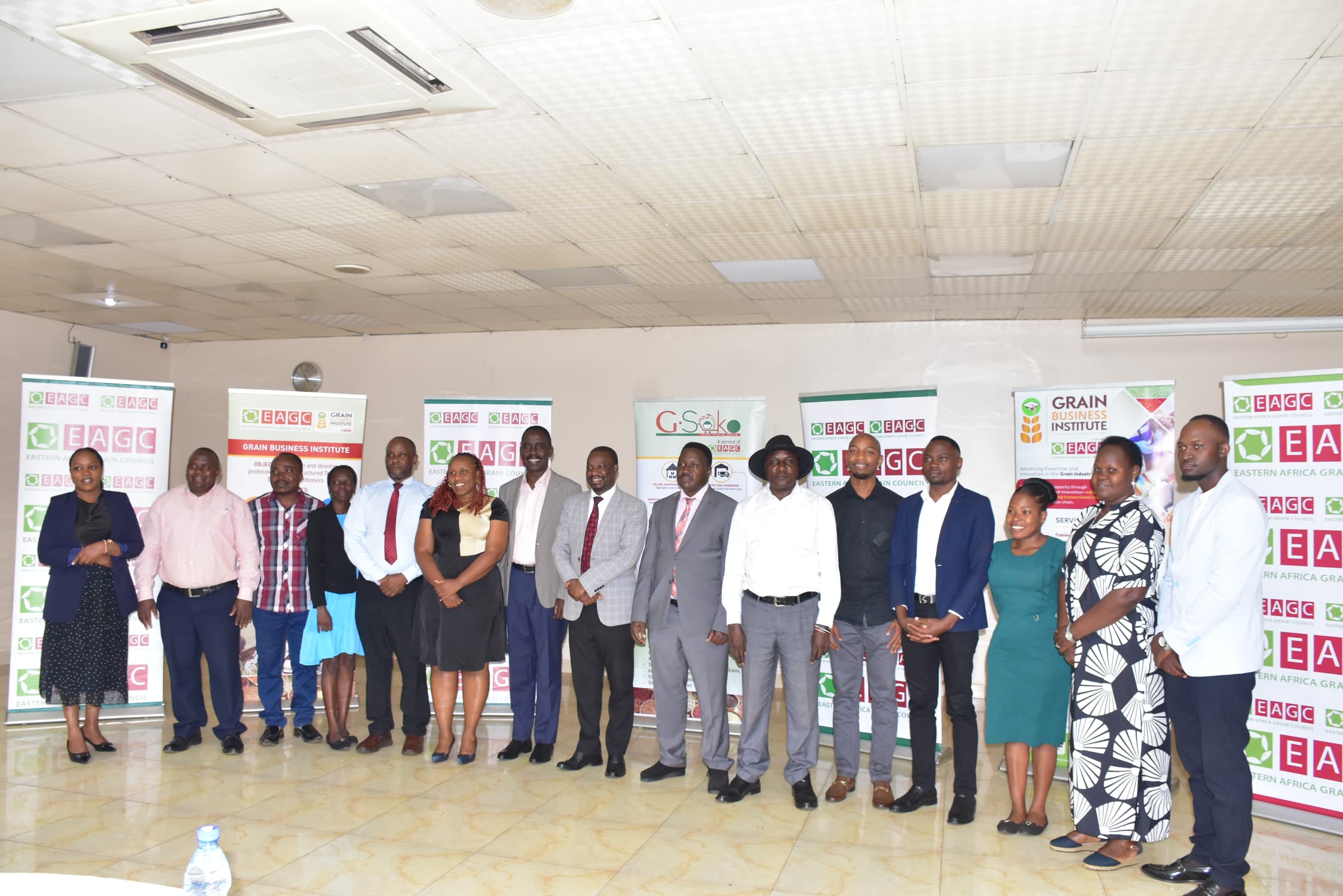
The warning was issued during the EAGC Members and Stakeholders Networking Forum held at Hotel Africana in Kampala on Thursday under the theme, “Promoting Members’ Competitiveness of the Grain Sector to Both the Local and Export Market.”
Speaking at the forum, EAGC Country Director Herbert Kyeyamwa said Uganda’s competitiveness in the grain trade increasingly depends on its ability to consistently supply safe, high-quality grain that meets regional and international standards.
“Competitiveness is no longer about production alone. It is about our ability to consistently deliver safe, quality and market-ready grain that meets regional and international market requirements,” Kyeyamwa said.
Kyeyamwa noted that although EAGC has made significant progress in promoting structured grain trade across the region, poor grain quality remains a major obstacle to Uganda’s export potential.
“Aflatoxin contamination remains one of the greatest threats to food safety, public health and export competitiveness,” he said.
He said EAGC has invested in Grain Business Hubs, digital trading platforms and inspection services aimed at helping farmers and traders improve grain quality and access more profitable markets.
Kyeyamwa added that investment in proper post-harvest handling, warehouse management, testing, certification and continuous capacity building is essential if Uganda is to maintain its competitiveness in the grain sector.
Representing the Permanent Secretary at the Ministry of East African Community Affairs, Commissioner for Production and Infrastructure Namanya Naboth said Uganda has access to vast regional markets through the East African Community (EAC), the Common Market for Eastern and Southern Africa (COMESA) and the African Continental Free Trade Area (AfCFTA).
However, he said businesses must meet required quality standards to fully benefit from these opportunities.
“Our businesses must be competitive, compliant and market-ready. Competitiveness today goes beyond increasing production. It requires businesses to consistently meet quality standards, embrace structured trading systems and comply with regional regulations,” Naboth said.
He added that government is committed to harmonising standards, removing non-tariff barriers and improving cross-border trade procedures to support agricultural exports.
EAGC Country Programs Manager Paul Ochuna said Uganda’s position as a surplus grain producer presents significant opportunities, but poor handling practices continue to affect the quality of produce.
“There is a lot of potential in the grain sector because Uganda is a surplus-producing country. However, we still face challenges because of poor grain handling,” Ochuna said.
He explained that EAGC has established Grain Business Hubs to organise smallholder farmers into commercial enterprises where they receive training in proper grain handling, aggregation and storage.
Ochuna also highlighted the G-Soko Trading System, a digital platform that connects grain suppliers with buyers across the region through structured contracts, quality inspections and secure payment systems.
Despite these interventions, he said grain quality remains the biggest challenge facing the sector.
“The issue of quality is still a big problem in the grain trade sector. There is a lot of contamination simply because many smallholder farmers do not have the required tools,” Ochuna said.
Meanwhile, Partnerships and Ecosystem Development Specialist at Enterprise Uganda David Baziwaane called for increased investment in training farmers to manage agriculture as a business while urging East African Community partner states to harmonise grain standards.
“There should be more harmonisation pushed at government level so that if a farmer meets the required aflatoxin standards in Uganda, they should not face different standards at the border. Farmers are hardworking; show them what to do and they will do it,” Baziwaane said.
Stakeholders at the forum agreed that improving grain quality, strengthening structured trade systems and harmonising regional standards are critical steps towards enhancing Uganda’s competitiveness in both domestic and export markets.