









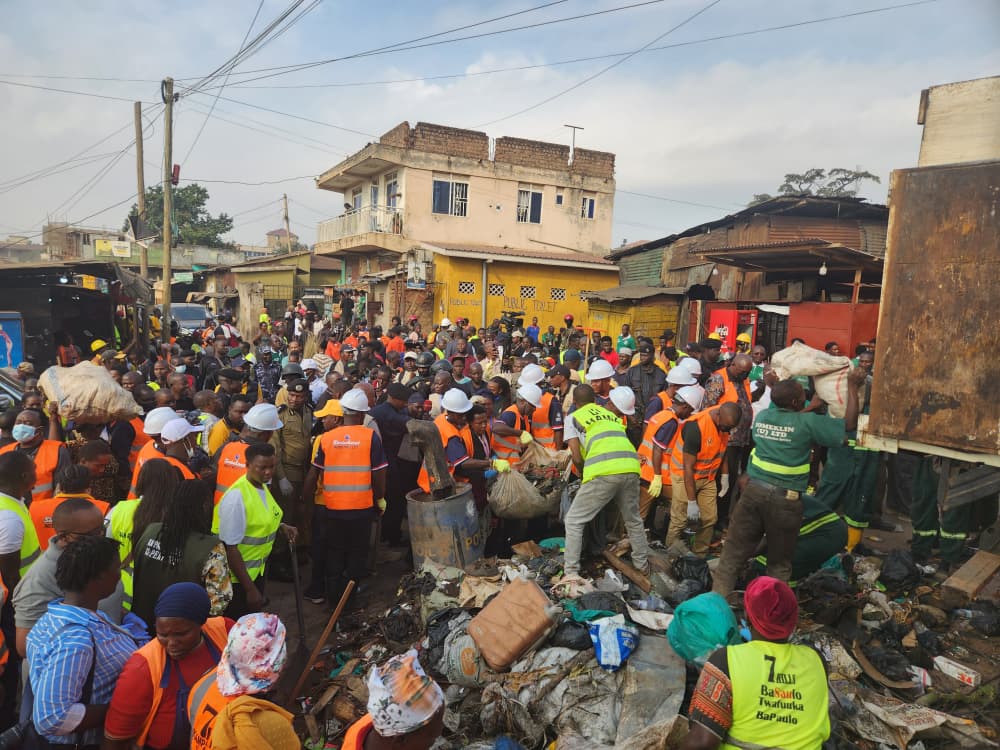
Ugandans have welcomed the government’s National Cleaning Days initiative, describing it as a timely intervention to improve sanitation, prevent disease and restore cleanliness in communities. They have also appealed to the government to sustain the campaign by ensuring it is observed every month.
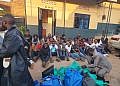
The inaugural National Cleaning Day was held on Saturday at Usafi Market Taxi Park in Kisenyi Ward III, bringing together thousands of residents, traders, boda boda riders, religious leaders and government officials who participated in cleaning markets, streets and drainage channels.
Across major towns and cities, including Kampala, Mubende and Fort Portal, businesses temporarily closed as residents, local leaders and volunteers, dressed in protective gear, cleaned trenches, swept roads and loaded garbage onto collection trucks.
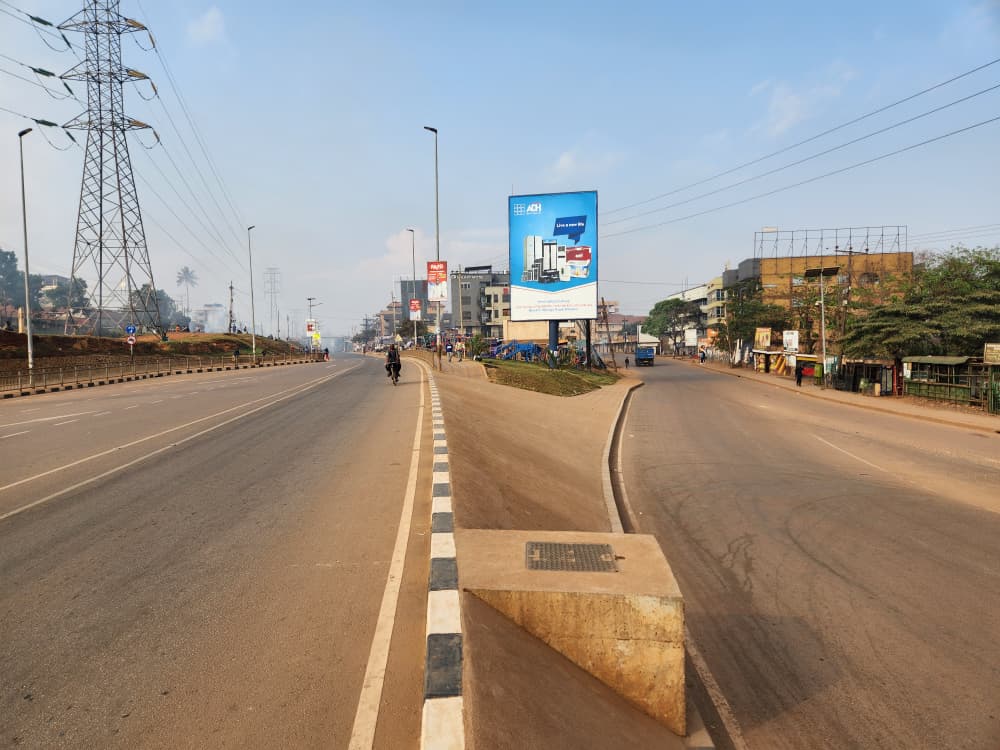
With the exception of police vehicles, roads and streets remained largely deserted, with almost no traffic as residents dedicated the morning to cleaning their communities using brooms, spades and other sanitation tools.
In several areas, the exercise was accompanied by brass bands, music and community entertainment, creating a festive atmosphere while encouraging residents to embrace cleanliness.
Among those who participated was Denis Kambugu, a trader at Usafi Market, who said poor waste management had long affected businesses in the area.
“Garbage has been finishing us. Even the floods that affect us arise because people throw rubbish into drainage trenches. This cleaning exercise is a good thing for all of us,” he said.
Kambugu urged fellow Ugandans to maintain clean surroundings beyond the official monthly exercise.
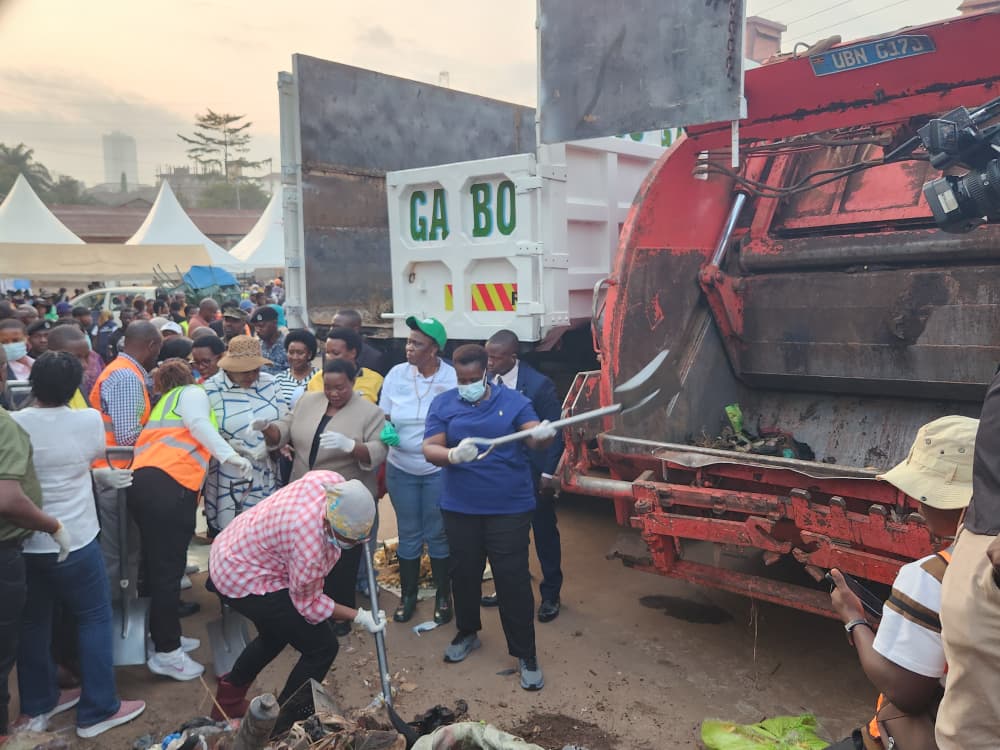
Another participant, Julian Musherure, appealed to the government to remain actively involved in future clean-up exercises.
“Government should not do this only once. It should continue taking part in all the coming last Saturdays of the month,” she said.
She added that making the exercise a routine would significantly improve public health.
“If this becomes our culture, it will restore sanity in our communities and make people, especially children, healthier.”
Tindyebwa Kenneth, a boda boda rider, praised the unity displayed during the exercise.
“For the first time, I have seen people and leaders doing the same thing together without fighting,” he said.
He said one of the most memorable moments was seeing roads free of traffic as citizens focused on cleaning.
“The gesture of not seeing vehicles on the road while everyone was cleaning will forever be remembered,” he said with a smile.
Launching the initiative, Vice President Jessica Alupo thanked Ugandans for embracing the programme, saying disease prevention requires the participation of every citizen.
“Uganda has two approaches to fighting disease. One is curative and the other is preventive. Over the years, the President has led Uganda in implementing both approaches, but they require the participation of all members of the community,” she said.
Alupo said sanitation and hygiene are central to disease prevention, warning that poor waste disposal contributes to flooding and outbreaks of waterborne diseases.
“Sanitation and hygiene are very important. Many Ugandans are already observing these principles, but we are here to strengthen the efforts already in place. When Kampala experiences flooding during heavy rains, it is because plastic bottles and polythene bags have blocked drainage channels.”
She stressed that maintaining a clean environment is directly linked to economic development and improved livelihoods.
“A healthy population is a wealthy population. Government wants you to implement livelihood programmes such as Emyooga and the Parish Development Model when you are healthy because when you are not healthy, it becomes difficult to benefit from them.”
The Vice President urged Ugandans to take personal responsibility for cleanliness rather than leaving the responsibility to government alone.
“Cleaning is not optional. It is essential and reflects a sense of responsibility and patriotism from each and every one of us. Uganda belongs to all of us, and every citizen has a duty to keep it clean.”
She added that government would continue supporting local authorities with waste management equipment.
“Government will continue providing local governments, cities and municipalities with equipment, including garbage trucks, gloves and other waste management tools. When you receive this equipment, please use it properly and maintain it well.”
Prime Minister Robinah Nabbanja said the initiative was designed to strengthen the government’s efforts to improve household incomes by promoting a healthier population.
She said the campaign complements government’s wealth creation agenda.
“National Cleaning Days strengthen our commitment to improving household incomes because healthy people are productive.”
Nabbanja called on all Ugandans to embrace the campaign as a shared national responsibility.
“A clean Uganda is everybody’s responsibility. If we embrace this slogan, we shall become agents of change in our communities.”
She noted that improved sanitation extends beyond public health.
“Proper waste management, sanitation and hygiene are critical not only for good health but also for the well-being and productivity of every Ugandan.”
Health Minister Dr. Chris Baryomunsi said Cabinet resolved that every last Saturday of the month would be dedicated to nationwide cleaning because most diseases affecting Ugandans are preventable.
“The Cabinet of Uganda took a decision last year that every last Saturday of the month shall be National Cleaning Day. Today marks the beginning, and thereafter every last Saturday of the month shall be observed across the country.”
He urged Ugandans to participate voluntarily rather than waiting for enforcement.
“Up to 75 percent of the diseases affecting our population are preventable, and many of them are directly linked to cleanliness, hygiene and related issues.”
Baryomunsi said the campaign should evolve into a national culture.
“The first people to enforce this are ourselves as Ugandans. What is important is for us to appreciate why we must keep our environment clean.”
He encouraged citizens to practice cleanliness throughout the year.
“We want to make this a culture. Let us keep our environment clean at all times, whether in markets, public places or our homes.”
The minister also called on Ugandans to dedicate every last Saturday of the month, from 7:00 a.m. to 10:00 a.m., to cleaning their communities.
“Every last Saturday of the month between 7 a.m. and 10 a.m., we should dedicate that time to cleaning our country because we want a clean Uganda, which will eventually become a disease-free Uganda.”