











Uganda’s poultry sector players have expressed concern over the country’s extremely low consumption of eggs and poultry products, despite rapid growth in production and investment in the industry.
This was revealed during the World Egg Day Expo 2025, currently taking place at Old Kampala Secondary School, where hundreds of farmers, youth, agro-investors and key industry players have convened to showcase innovations and discuss the future of the poultry value chain.
The three-day Expo, which kicked off on October 9, will close on October 11.
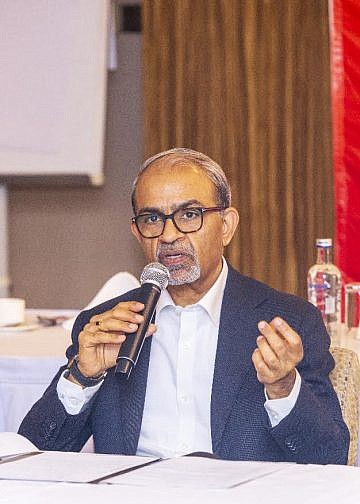
Henry Mambwe, Chairman of the Poultry Association of Uganda, expressed concern over Uganda’s poor egg and poultry consumption levels compared to other countries.
“If you go down south to South Africa, they consume 40 to 50 kilos per capita of chicken per person per year. Uganda is at about 1.6 kilograms,” Mambwe said, highlighting the massive untapped potential in the Ugandan market.
He said the Association is on a mission to boost public awareness on the nutritional and economic value of eggs and chicken.
“Our goal is to make poultry products, whether it’s chicken or egg, more nutritious, more affordable and more accessible to every Ugandan household. These vital foods should not remain luxuries but become everyday staples on every Ugandan table,” he stressed.
Mambwe added that eggs remain one of the most cost-effective sources of high-quality protein, especially for children and expectant mothers, and called for behavioural change to increase consumption.
Chief Guest Bright Rwamirama, the State Minister for Animal Industry, echoed Mambwe’s concerns and rallied youth to invest in poultry agribusiness.
“Each egg represents income for a farmer, nutrition for families and innovation for the youth. I encourage the youth to take advantage of the growing opportunities in the agribusiness, particularly in the poultry industry, processing and marketing,” Rwamirama said.
The minister noted that poultry is becoming one of Uganda’s fastest-growing agribusiness sectors, employing thousands of young people, especially in urban roadside barbecue stalls and processing ventures.
“If you get an egg to a child, the child will get ten times the volume of beans to get the same amount of nutritional value. An egg is simple, affordable and accessible to every family,” he added.
The showcased improved poultry breeds, modern feeding systems, veterinary products, hatchery technology and youth-led agribusiness startups. Farmers are receiving hands-on training in feed formulation, disease control, value addition and marketing strategies.
Mambwe emphasized that bridging the consumption gap requires collaboration between government, farmers, processors and development partners to reduce production costs and boost awareness.