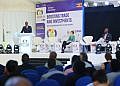










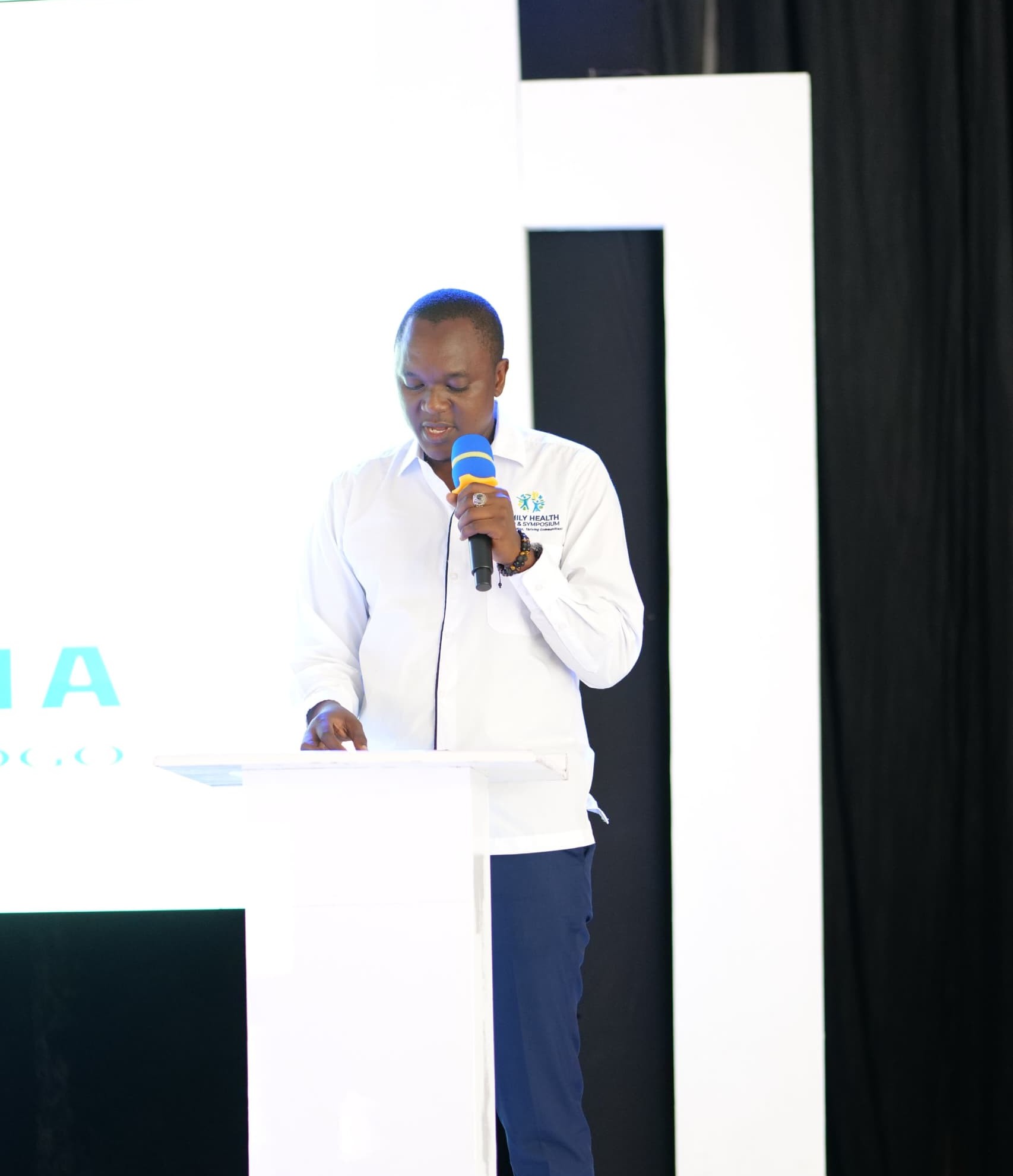
As Uganda navigates the aftershocks of recent foreign health aid cuts, health experts, government officials, private sector leaders, and civil society have converged at the ongoing Family Health Expo and Symposium 2025 to champion domestic resource mobilization and innovation in preventive healthcare.
The three-day event, held at the UMA Show Grounds in Lugogo, is themed “Innovating Health to Overcome Funding Gaps and Advancing Preventive Health Care through the Private Sector.”
Organized by Copius Health Services in partnership with the Ministry of Health and the Uganda Healthcare Federation (UHF), the expo offers free medication, health screenings, CPR training, mental health advocacy, and wellness services to the public.
In a powerful keynote, Dr. Elizabeth Ekirapa Kiracho, an associate professor at Makerere University School of Public Health, underscored the urgency of strengthening local funding systems.
“Government needs to put in more money into health, but it has a restricted resource base,” she said.
“We have to enhance the domestic resource mobilization methods that we have as government. This means working with URA to improve tax administration and compliance so we can collect more tax from what’s already in place.”
She highlighted untapped avenues such as better enforcement of motor vehicle insurance, alcohol taxation, and exploring blended financing, bonds, and climate financing to fill critical gaps.
“Some 64% of the alcohol consumed in Uganda is unregulated and untaxed. With better tax administration, we can collect more,” she added.
Dr. Ekirapa also urged multi-sectoral coordination, explaining that healthcare can no longer function in isolation.
“If someone wants to jog, but the roads have no sidewalks or it’s unsafe, then prevention is already undermined. Health is about infrastructure, workplace policies, nutrition, and security.”
Echoing the same call, Sr. Mary Grace Akiror from the Office of the President, who officiated the event, challenged all Ugandans to act on health as a personal and national priority.
“We prioritize many things campaigns, politics but do we prioritize health?” she asked. “Let this be a call to action. It’s not about doctors alone. We are all going to be medical people, trained or untrained. Health demands collective effort.”
She called for creative ways to reach masses during large gatherings such as the Uganda Martyrs Day celebrations:
“Can’t we go beyond just treating swollen legs and start teaching preventive health practices to these pilgrims? That would be meaningful change.”
Brian Bogere, representing Copius Health Services, positioned the expo as a deliberate response to global funding cuts.
“We are responding to the aid cut our nation is facing,” he declared. “Uganda has the resources. If we collaborate and work together, we can ensure every Ugandan has access to affordable health care.”
He said the Expo is not just another health event but a launchpad for action:
“This space has transformed into a hub of health screening, expert dialogue, youth empowerment and partnerships. Whether you’re a policymaker, parent, or student—this Expo is for you.”
Ambassador LadyGoldy Oboma, representing the Federation of Uganda Employers, emphasized the need to shift from donor dependency to employer-driven wellness and insurance reforms.
“Insurance helps us mitigate risks. We implore every employer to provide health education services and wellness programs at workplaces,” she said, adding that “there’s no health without mental health.”
She advocated for tailored insurance solutions for gig workers, single mothers, and the informal sector and pushed for policy adjustments such as “mental health days” off work:
“Self-care is not selfish. If you’re not okay mentally, take a day off. Let’s push for such changes in labor policy to enhance productivity.”
Patrick Luwaga, Chairperson of Uganda Healthcare Federation, emphasized private sector inclusion in healthcare delivery:
“With the theme leaning heavily on private sector involvement, it gives me great pleasure to see you here today. Your presence affirms our shared commitment to improving health outcomes through private sector innovation and collaboration.”
The Expo continues through the weekend, with hundreds of Ugandans accessing free medical services, expert counseling, and health information booths.
The message resounding through the symposium is clear: Uganda must look within and mobilize its own resources to protect the health of its people.
As foreign aid recedes, the onus is now on government, employers, communities, and individuals to fund, build, and sustain a healthcare system that works for all.