










Uganda Prisons Service has dismissed claims that female inmates are impregnated while serving their sentences, clarifying that women either enter prison already pregnant or with their babies.
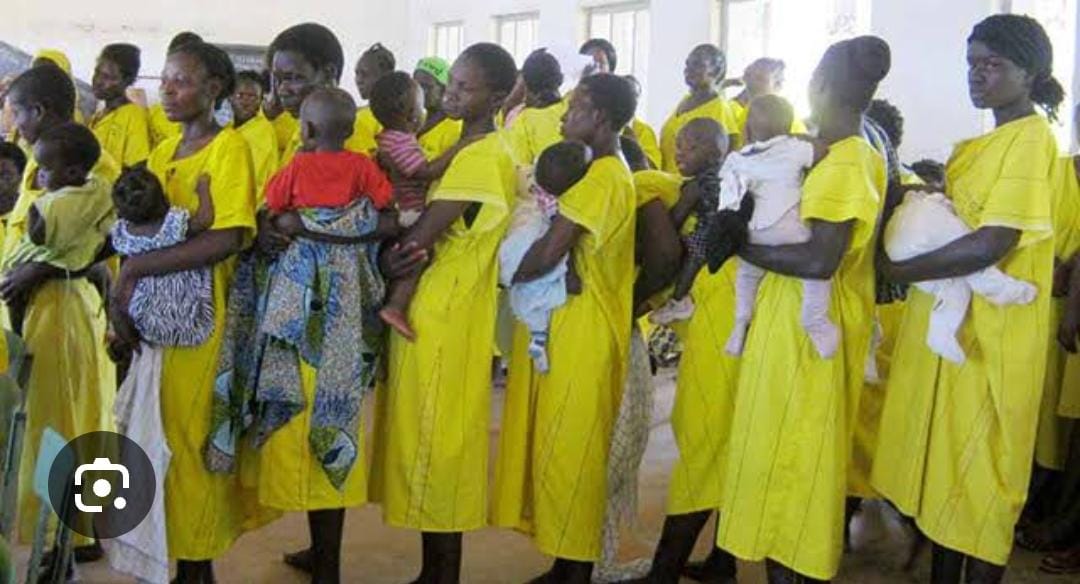
The clarification was made during a session of Parliament’s Committee on Defence and Internal Affairs, following reports that 294 babies are currently living in prison facilities with their incarcerated mothers.
Aggrey Aturwanirire, the Commissioner of Prisons in charge of Planning, revealed that the presence of infants in prison is contributing to congestion across the country’s correctional facilities.
“We are also reporting on the daily average of prisoners and we are saying that some of the female prisoners have babies. We currently have an addition of 294 babies who are staying with their mothers in prison,” Aturwanirire said.
The issue sparked debate among MPs, with Nyabushozi County MP Wilson Kagyenjwe questioning whether the pregnancies occur before or during incarceration.
“Do these mothers come pregnant or do they get pregnant while in prison? That is a strategic question. Otherwise, how can the whole country continue having babies in prisons?” Kagyenjwe asked.
In response, Deputy Commissioner General of Prisons Samuel Akena firmly rejected suggestions that women are impregnated while in custody.
“Our systems are very clear. Mothers come either with babies already or they are pregnant at the time of admission. They do not get pregnant while in prison,” Akena said.
He explained that all female inmates undergo mandatory medical screening upon entry, including pregnancy tests and other health checks.
“When they reach prison, we conduct pre-entry screening, including pregnancy tests, HIV, TB, and other health-related assessments,” he said.
Akena added that by law, children are allowed to stay with their mothers for up to 18 months, though in some cases this period is extended to 24 months.
Uganda Prisons also operates baby care centres in major women’s prisons, where infants receive basic services such as healthcare, nutrition, and shelter.
The Service said the presence of babies in prison is a legal and humanitarian arrangement, but acknowledged that it places additional strain on already overcrowded facilities.