










The scent of freshly baked pastries drifted through the air as a group of young people proudly displayed their products, marking a turning point in their lives and a growing shift in community-led development.
Just weeks ago, 22-year-old Sarah Namusoke faced an uncertain future, with no employable skills and limited prospects in a country grappling with high youth unemployment. Today, she is part of a team preparing to launch a bakery, equipped with practical skills and renewed confidence.
Uganda’s demographic reality, where more than 70 percent of the population is under 30, presents both an opportunity and a challenge. While the workforce is young and energetic, many lack access to training, financing, and mentorship needed to translate potential into sustainable livelihoods.
In Kabubbu Parish, a community-driven approach is beginning to address this gap. The Kabubbu Development Project (KDP) has adopted the self-help group model as a central strategy to promote economic empowerment and reduce dependency.
Through these groups, members pool resources, build savings, and support each other in developing income-generating activities. According to KDP, at least 12 active self-help groups have already been identified in the area, demonstrating the viability of this model.
One such initiative, the Youth Empowerment Self-Help Group, was formed with support from the Local Coalition Accelerator. It brought together 11 young people for intensive training in baking and pastry-making. Within a week, participants were able to produce and showcase market-ready products.
The group has since received start-up capital and is in the process of establishing a bakery expected to serve households across Kabubbu and surrounding communities.
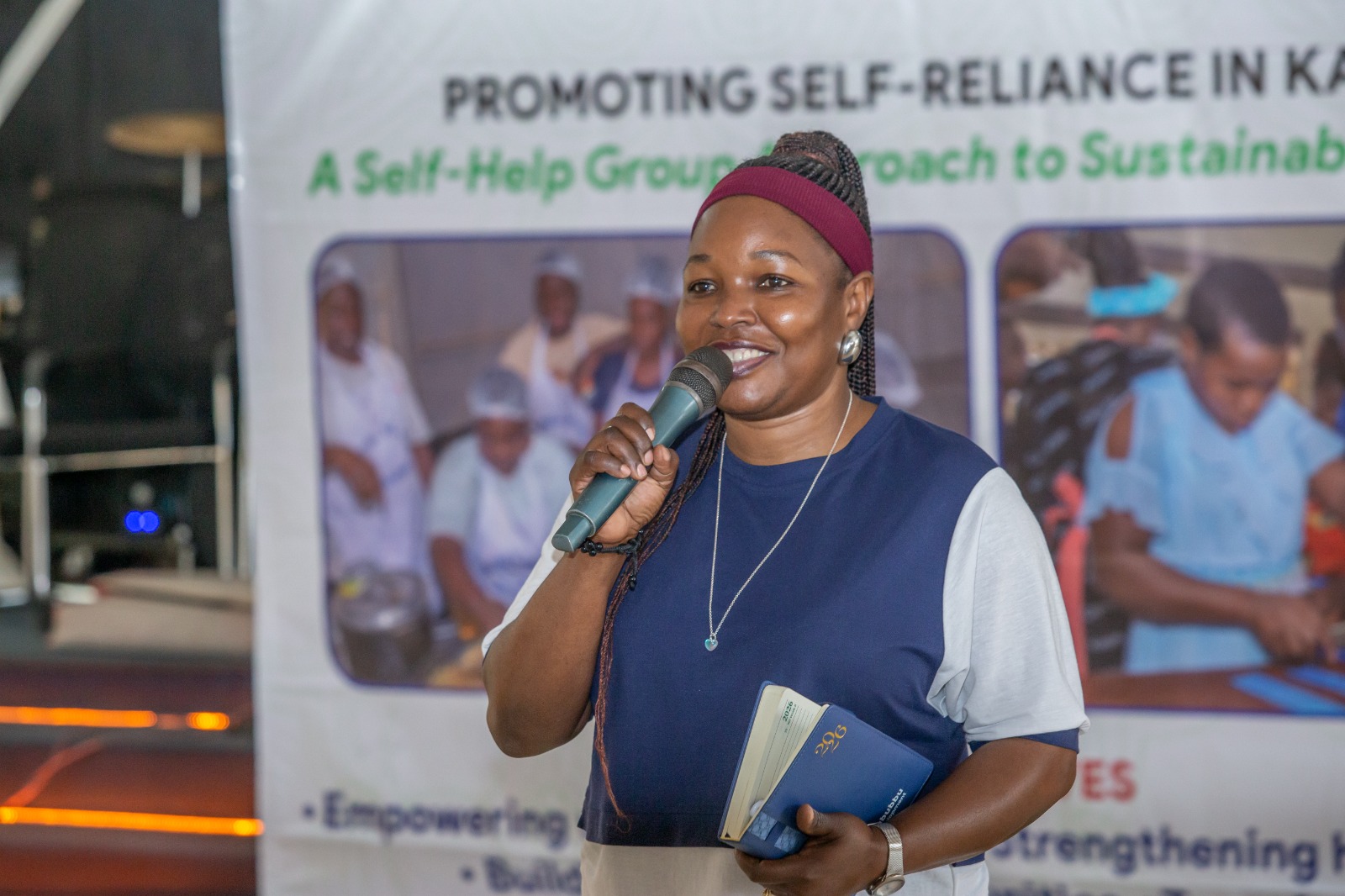
Group leader Edward Kizito said the training has been transformative, noting that many members previously lacked any practical skills.
Local leaders have emphasized the importance of unity in sustaining these efforts. Vincent Nsereko, Chairperson of the Local Coalition Accelerator, urged participants to continue working collectively, highlighting collaboration as a key driver of growth.
KDP Executive Director Enoch Kagoda also stressed the importance of maintaining product quality and consistency to build customer trust and ensure long-term success.
The initiative is not limited to youth. The Hosanna Self-Help Group, a women-led bookmaking enterprise, has also received financial support aimed at expanding production and increasing income. Backed by funding from both the Local Coalition Accelerator and Quicken Trust, the group is expected to strengthen household financial stability and contribute to broader community development.
Development practitioners note that when women gain reliable incomes, the benefits extend beyond individuals to families and communities, including improved education, healthcare, and nutrition outcomes.
Kabubbu Parish, home to more than 50,000 residents, faces limited access to formal financial services, particularly for those without collateral. Self-help groups are helping to bridge this gap by creating locally managed financial systems built on trust and accountability.
Through participation in these groups, members gain access to small grants, financial literacy training, business management skills, and peer mentorship, enabling them to build sustainable enterprises.
Building on current progress, KDP is seeking additional funding to expand its programs, including youth skills training, enterprise development, and ongoing mentorship. The organization estimates that a relatively modest investment could significantly scale impact across the community.
As more groups emerge and businesses take root, Kabubbu is witnessing a gradual but meaningful transformation. For participants like Namusoke, the shift is not just economic, but deeply personal.
Rather than waiting for opportunities, many young people and women in the area are now creating their own, signaling a future shaped by resilience, collaboration, and local initiative.