










The Ministry of Health has officially received national digital health systems, platforms, and tools developed under the 15-year MaKSPH-METS Programme, valued at Shs 376.2 billion.
The equipment includes 725 servers, more than 4,700 devices—such as desktops, laptops, and tablets—solar power systems for nearly 800 health facilities, network equipment for over 1,300 sites, video conferencing systems, and upgraded referral hospital networks. The handover also includes trained personnel to manage and sustain the systems.
These digital health systems have played a critical role in Uganda’s fight against HIV, tuberculosis, and malaria. They enable health officials to track disease outbreaks, access real-time data, and ensure the timely delivery of essential medicines to health facilities.
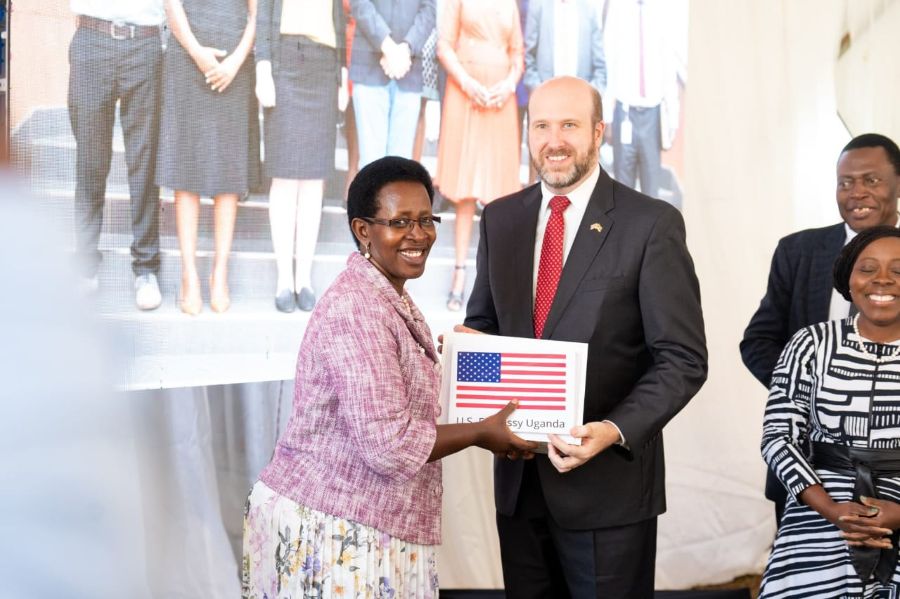
Speaking at the handover ceremony, the Permanent Secretary at the Ministry of Health, Dr. Diana Atwine, said the milestone marks the official receipt of digital systems and hardware developed and acquired over the past 15 years with support from the United States government.
“This morning, we received digital systems and hardware acquired over the past 15 years through the METS Programme, implemented under the Makerere University School of Public Health with funding from the U.S. government,” she said.
Dr. Atwine noted that Uganda has made significant progress in digital health, including the introduction of real-time dashboards that support informed decision-making.
She also emphasized the importance of integrating the systems to improve efficiency.
“While there were initially many fragmented systems, these are now largely being integrated into a centralized national digital health system (EAFYA). With continued partner support and strengthened local capacity to plan, budget, and implement, Uganda is advancing toward full digitization of the health sector,” she added.
The U.S. government has pledged continued support for the systems over the next five years.
U.S. Ambassador to Uganda, William W. Popp, said strengthening digital health systems enhances global health security.
“Countries that can detect and respond to disease threats quickly reduce risks that cross borders. This transition shows that U.S. foreign assistance, delivered with accountability, can build lasting national capacity,” he said.
The introduction of these systems is expected to significantly improve healthcare delivery across the country by enabling faster response to disease outbreaks, better monitoring of medicine supplies, and more informed decision-making based on accurate, real-time data.
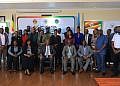
The handover ceremony was attended by senior government officials, development partners, and representatives from the Makerere University School of Public Health, including Director General of Health Services, Prof. Charles Olaro, and Prof. Rhoda Wanyenze, among others.