








Leaders have called on the government to increase funding for water, sanitation and hygiene (WASH) programmes in schools, saying greater investment is critical to creating healthy learning environments, improving learners’ wellbeing and enhancing academic performance.
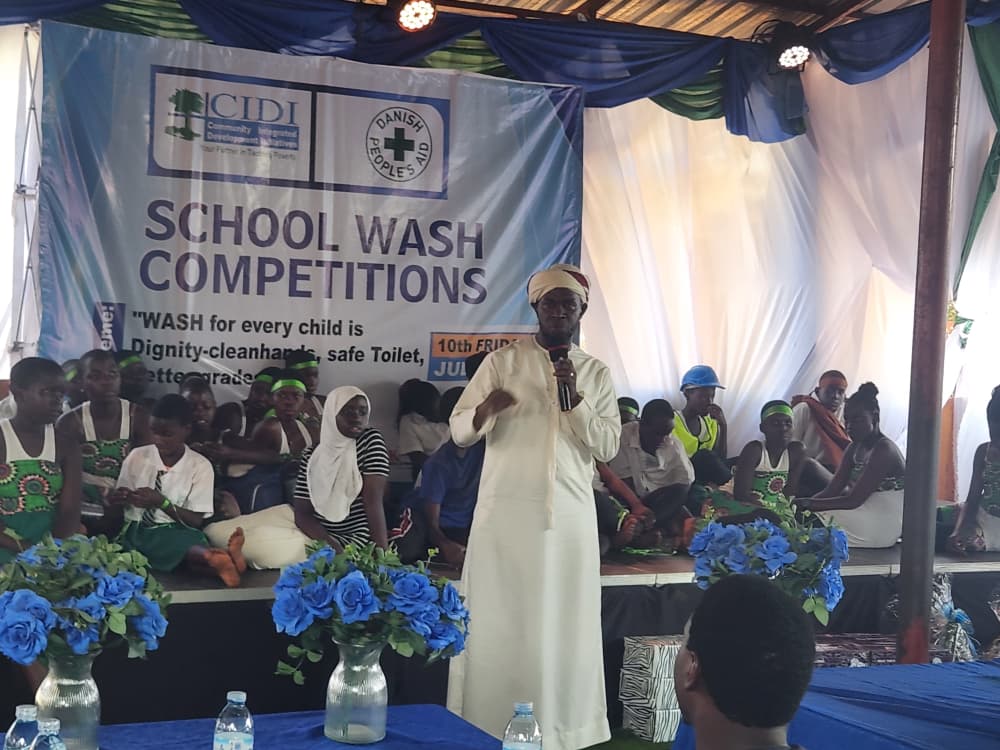
The appeal was made during the WASH in Schools Competition held at Kiswa Primary School in Bugolobi under the theme, “WASH for Every Child is Dignity – Clean Hands, Safe Toilets, Better Grades.”
The event was organised by Community Integrated Development Initiatives (CIDI) in partnership with Danish People’s Aid.
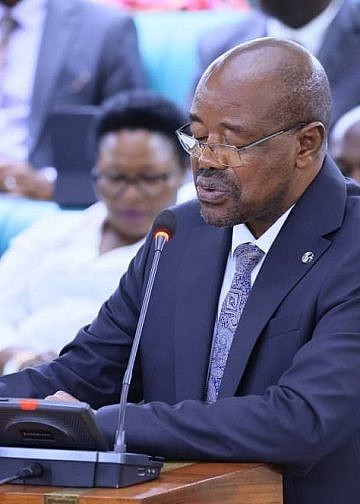
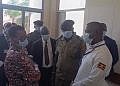
Speaking at the event, the Chairperson of the Parliamentary Forum on WASH and Kumi Municipality MP, Silas Aogon, urged Parliament and the government to allocate more resources to WASH programmes in schools.
“Government should pick a leaf from this. Parliament should budget more for this kind of advocacy and roll it out to all schools across the country. That is how we shall change Uganda for the good of our country,” Aogon said.
He commended CIDI for using schools as platforms to promote hygiene, noting that children easily absorb information and become ambassadors of good sanitation practices in their homes and communities.
“Not all civil society organisations do well. There are those that are committed, and CIDI is one of them because they know how to choose a strategy that works,” he said.
Aogon said involving both boys and girls in menstrual hygiene education has helped reduce the stigma that previously caused many girls to miss school and perform poorly.
He also applauded schools for teaching learners proper waste segregation, saying the practice promotes environmental conservation while enabling communities to derive value from waste.
“If you want to get value from garbage, you must sort it. These are messages that should run through the school system,” he said.
CIDI’s Inviolah Nambi said the competition was organised under the organisation’s School WASH Project to ensure the sustainability of hygiene messages among learners.
“We organised the first-ever WASH in Schools Competition to ensure the sustainability of WASH messages in schools. We want children to become key change agents in promoting water, sanitation and hygiene not only in schools but also in their communities,” she said.
According to Nambi, 11 schools from Makindye and Nakawa divisions participated in the competition, using music, dance and drama (MDD) performances to communicate hygiene messages after months of training and sensitisation.
She said the initiative also seeks to advocate for increased investment in WASH programmes at school, local government and national levels.
Despite the progress made, Nambi said many schools continue to face challenges, including inadequate water supplies, insufficient sanitation facilities, high water bills and poor maintenance of existing infrastructure.
“Schools still struggle with high water bills, while maintaining water facilities remains a major challenge. Once a water system breaks down, the school immediately faces a water crisis,” she said.
She further noted that poor-quality water used by learners to wash utensils after meals exposes children to waterborne diseases, and called on the government, development partners and other stakeholders to invest more in providing safe and clean water in schools.
Nakawa Division Mayor Bukeni Ali, popularly known as Nubian Li, encouraged learners to actively participate in co-curricular activities, saying they help build confidence, strengthen teamwork and improve academic performance.
“When you participate in such activities, you gain confidence to stand before people and express yourself. It also enhances your academics because you memorise songs, words and movements,” he said.
Ali also urged learners to maintain cleanliness both at school and in their communities, noting that good hygiene helps keep children healthy, reduces absenteeism and enables them to remain in class.
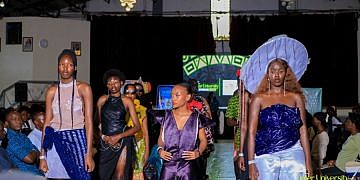
During the competition, participating schools showcased WASH messages through music, dance and drama performances.
Bukasa Primary School emerged the overall winner, followed by St. Lawrence Primary School in second place and Luzira Church of Uganda Primary School in third. The winning schools received trophies and other prizes in recognition of their outstanding performances.