











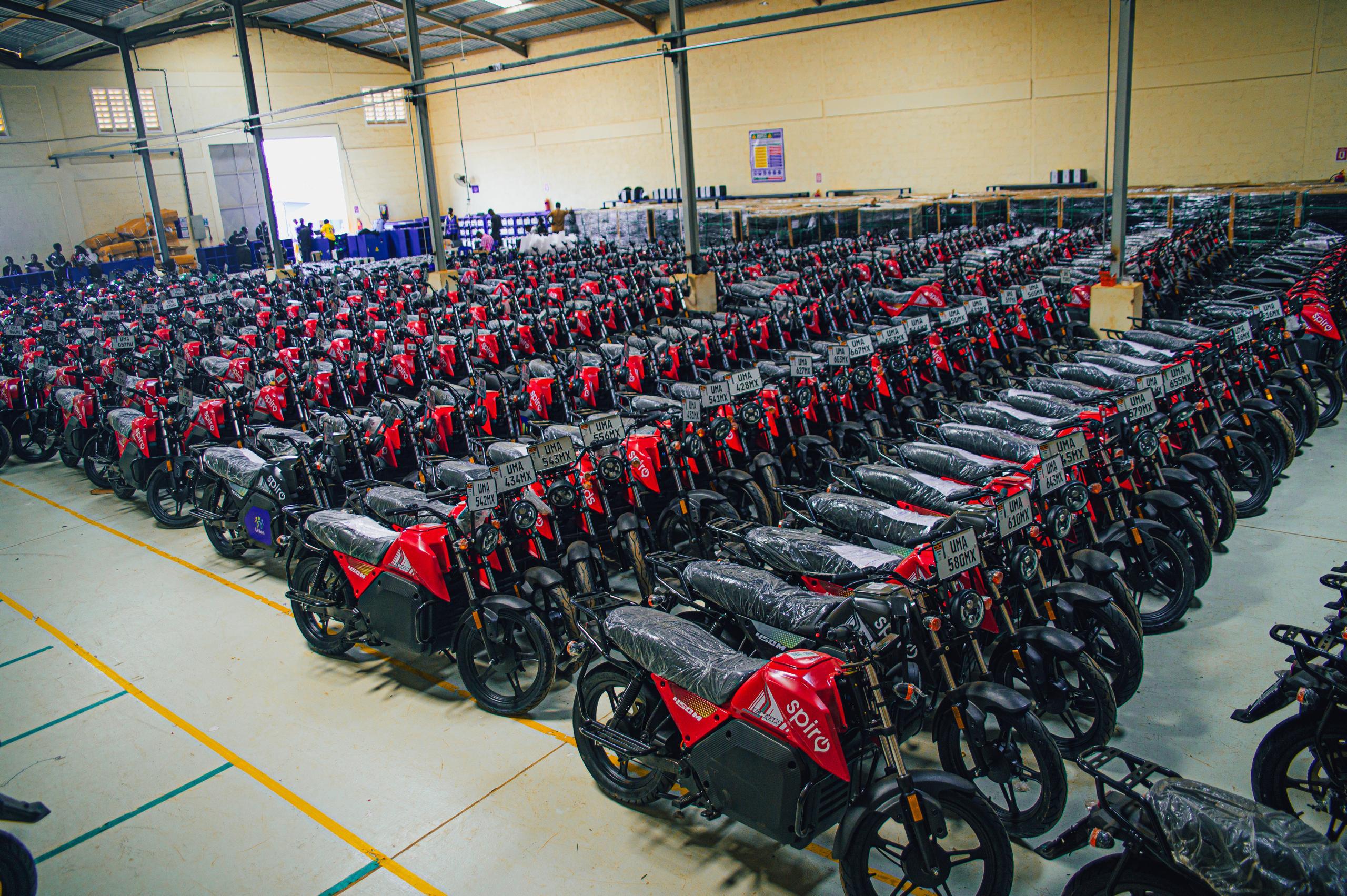
Spiro says its electric mobility ecosystem is delivering significant economic benefits to commercial motorcycle riders while creating new opportunities for skills development and workforce inclusion across Africa.
According to the company’s inaugural Sustainability Report, commercial riders using Spiro electric motorcycles reduce operating costs by between 70 and 80 percent compared to conventional petrol-powered motorcycles.
The company said riders also benefit from lower maintenance costs and reduced exposure to volatile fuel prices, making electric motorcycles an increasingly attractive option for commercial transport operators.
Alongside expanding its electric mobility network, Spiro is investing heavily in building local technical capacity through the Spiro Academy.
The company said more than 4,000 people across Africa received training in 2025 in electric vehicle maintenance, battery management and technical operations.
SPIRO also highlighted its efforts to promote gender inclusion through initiatives such as Africa’s first women-led electric motorcycle assembly line, which aims to increase female participation in the continent’s growing electric vehicle manufacturing sector.
Founder Gagan Gupta said the company is focused on building solutions that deliver long-term environmental and economic value.
“Our responsibility is not only to scale innovation but to ensure that the systems we build endure economically, socially and environmentally for generations to come.”
Group Chief Executive Officer Anant Badjatya said sustainability continues to shape SPIRO’s investment and growth strategy across Africa.
“As we expand across Africa, sustainability will remain a core business driver, shaping how we invest, manufacture, innovate and partner for the long term.”
SPIRO said investments in skills development, clean transport and local manufacturing are expected to strengthen Africa’s transition to sustainable mobility while supporting industrial growth and job creation across the continent.