








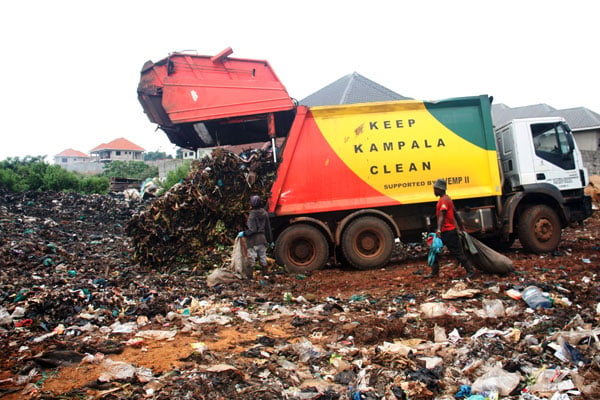
A group of 17 residents from Buyala and neighbouring areas in Mpigi District have filed a lawsuit against Kampala Capital City Authority (KCCA) and the National Environmental Management Authority (NEMA) over a newly established landfill, which they claim is endangering their health and environment.
Filed at the Civil Division of the High Court in Kampala, the case challenges what the petitioners describe as “unregulated, hazardous and unlawful dumping” of waste at a newly opened landfill in Buyala, Muduuma Sub-County.
The residents argue that the waste disposal is occurring without the requisite environmental management or air pollution control measures.
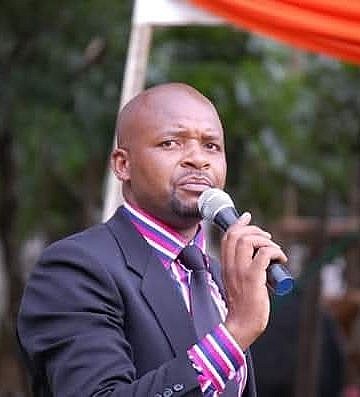
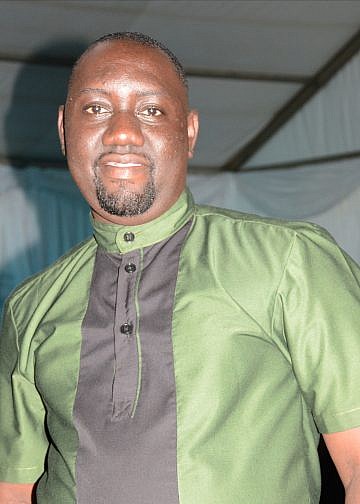
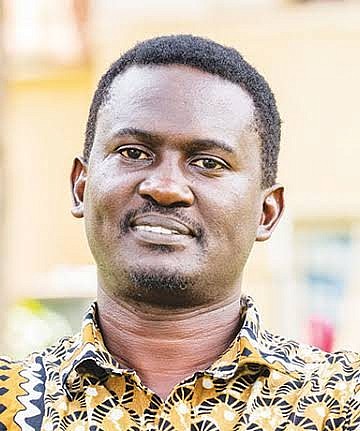
The group — including Michael Balimukuubo, Dorothy Namagembe, Danielle Watasa, Geoffrey Irumba, Emmanuel Kiiza, Linda Mutesi, Janet Asiimwe, Kevin Muhwezi, Ronald Ayahura Kuteesa, Nicholas Atukwasa, Stephen Kasaga, Akles Ssemanda, Peter Kakooza, Emmanuel Muyanja, Enoch Titus Ssesanga, Israel Musoke, and Norah Nakasuula — claim the landfill has become a serious threat to public health and the environment.
They allege that between December 2024 and February 2025, over 200 acres of land were acquired near their homes, with the promise of establishing a modern waste treatment and recycling facility using advanced technology. However, they say KCCA, with clearance from NEMA, instead commenced open dumping of various types of waste — including toxic, medical, plastic, food, and liquid waste — at the site.
According to the petition, more than 100 garbage trucks operated by KCCA and its contracted private waste collection firms dump waste at the site daily. At night, when the landfill is closed, garbage trucks reportedly park along roadsides and near residential homes, further compounding the smell and discomfort for nearby residents.
The unmitigated stench from the landfill — including odours, pungent smells and the stinks of rotten waste — has continuously spread into their homes during the day and night. This, the residents say, has rendered their homes uninhabitable and adversely affected their health.
They also accuse the landfill of being situated in a swamp, leading to leachate seeping into underground water sources and community wells. This contamination, they argue, has forced them to incur significant costs in treating water and addressing related health complications, including respiratory ailments.
The applicants further allege that their complaints and resistance have been met with intimidation, as garbage is now dumped under the protection of armed police and military personnel.
Their children and other young people in Buyala are reportedly being exposed to serious health, social and environmental hazards as a result of the dumping.
The group is seeking several declarations from the court. They want the court to declare that KCCA’s actions constitute a violation of their constitutional right to a clean and healthy environment as guaranteed under Articles 39 and 8A, and National Objective XXVII (i) and (ii) of the Constitution, as well as Section 3 of the National Environment Act.
They are also asserting that the ongoing operations amount to inhuman and degrading treatment under Articles 24 and 44(a) of the Constitution.
Further, the petitioners argue that the landfill activities infringe on their right to engage in lawful trade or business, citing Article 40(2) of the Constitution, as the environmental conditions have disrupted livelihoods in the area.
The residents want the High Court to order an immediate halt to all dumping of waste at the Buyala landfill until adequate environmental and air pollution controls are implemented. They are also asking the court to direct KCCA and NEMA to establish a buffer zone around the landfill.
In addition, the applicants are seeking compensation for the losses, damage and inconvenience suffered. Alternatively, they want the government valuer to assess the value of their affected land and homes and for KCCA to buy them out so they can relocate.
KCCA and NEMA have been given 14 days to respond to the lawsuit.
The case is one of the most high-profile environmental suits in recent months and is expected to test the implementation of Uganda’s environmental protection laws and constitutional guarantees relating to public health and human dignity.