










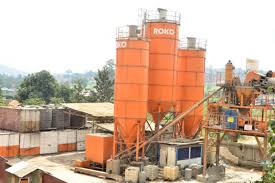
The High Court in Kampala has ordered Roko Construction Limited to pay over Shs3.9 billion (USD 1,059,350.84) to Mehta Electricals Limited for unpaid electrical installation works carried out at several construction sites.
In a judgement delivered on April 27, 2026, acting Judge Dr. Ginamia Melody Ngwatu directed Roko Construction to pay Shs3.9 billion (USD 1 million) to Mehta Electricals, together with interest at commercial rates from the date the suit was filed until full payment is made.
The dispute arose from sub-contracts awarded to Mehta Electricals in 2016 for electrical installation works at several sites, including SGS Bombo, SGS Masaka, SGS Entebbe, Lotigo Army Venue, Luthuli, and Imperial Botanical Hotel Suites.
Mehta Electricals told court that although it completed the works and payment certificates were issued confirming the amounts due, Roko failed to clear the outstanding balances.
The company said the parties later held a joint reconciliation meeting on November 29, 2018, where Roko acknowledged the debt and promised to pay, but failed to do so.
The plaintiff had sued for Shs4.7 billion (USD 1.2 million), arguing that this represented unpaid certified sums, retention money, and pending certificates across the various projects.
Roko Construction, however, denied liability and raised several preliminary objections. It argued that the matter should have been referred to arbitration under the Arbitration and Conciliation Act, that the suit was filed out of time, and that the claims were wrongly joined together in one case.
The company also filed a counterclaim seeking general damages, liquidated damages for delayed completion of works, 30 percent annual interest, and costs, claiming Mehta failed to complete the work within the agreed timelines and left defects.
However, the matter later proceeded ex parte after the defendant repeatedly failed to comply with court directions and failed to properly attend the hearing despite several adjournments.
On arbitration, the court found that most of the sub-contracts did not contain clear arbitration clauses and therefore could not be referred to arbitration.
For the Imperial Botanical Hotel Suites project, although an arbitration clause existed, the court held that the payment certificates issued by Roko amounted to an admission of debt, meaning there was no dispute requiring arbitration.
The judge also rejected the argument that the suit was time-barred, noting that Roko had acknowledged the debt through reconciliation meetings, emails, and even issued cheques—some of which were dishonoured due to insufficient funds.
This acknowledgment restarted the six-year limitation period.
On misjoinder, the court held that all claims arose from similar sub-contracts between the same parties involving unpaid electrical works, and could therefore be handled together in one suit.
Although the court declined to rely fully on one reconciliation spreadsheet because of unclear amendments and signatures, it accepted the individual project statements, payment certificates, email correspondence, and dishonoured cheques as sufficient proof that money was owed.
The judge found that the proven outstanding amount was Shs3.9 billion (USD 1,059,350.84), lower than the total amount originally claimed.
Roko’s counterclaim was dismissed after the company failed to produce evidence to support allegations of breach of contract or defective work.
Court also ordered Roko Construction to pay the costs of the main suit and the dismissed counterclaim.