


























The Ministry of Health has called for urgent reforms in Uganda’s herbal medicine sector, warning that without immediate action, the country risks losing control of a potentially transformative health and economic resource to unqualified individuals and dangerous misinformation.
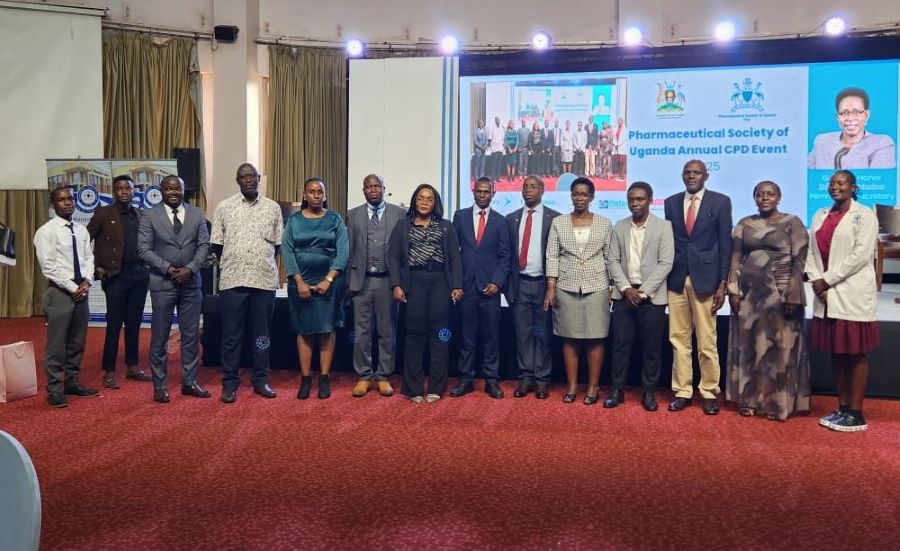
Speaking at a gathering of pharmacists, Dr. Diana Atwine, the Permanent Secretary in the Ministry of Health, raised alarm over the unregulated spread of herbal remedies across Uganda, many of which are being promoted by self-proclaimed healers lacking any medical or scientific background.
“We have left this critical area to people who never went to school,” Dr. Atwine said. “They are advertising that their herbs cure everything from fibroids to HIV. People are boiling herbs in jerry cans without dosage guidance or understanding of drug interactions. Some even mix them with western medicines like ARVs — this is dangerous.”
Dr. Atwine warned that such unregulated practices pose a serious risk to public health, citing cases of herbal-induced liver damage and the growing trend of misleading claims surrounding the use of herbal concoctions as treatment for chronic illnesses. She criticized the commercialization of traditional medicine by untrained individuals, calling them “quacks” who are exploiting public trust in the absence of scientific oversight.
Despite Uganda’s vast biodiversity and long-standing cultural reliance on medicinal plants, the sector remains under-researched and poorly regulated. Dr. Atwine emphasized the need for scientific validation, proper product profiling, and regulatory frameworks to guide safe use of herbal medicine — and restore professional integrity to the sector.
“Other countries like China have turned their traditional medicine into billion-dollar industries. Why not Uganda?” she posed. “God has given us everything we need — every plant has medicinal potential. But we must harness this gift responsibly, using science, not guesswork.”
She also expressed concern over the lack of government funding to support herbal medicine research, but remained optimistic that through stronger collaboration between academia, government, and international institutions, Uganda could revive and formalize the industry.
Responding to Dr. Atwine’s remarks, Dr. Jonans Tusiimire, President of the Pharmaceutical Society of Uganda (PSU), reaffirmed the Ministry’s position and emphasized the role herbal medicine could play in securing Uganda’s pharmaceutical independence.
“Herbal medicine provides a unique opportunity for Uganda to take control of its healthcare systems and reduce dependency on imported drugs,” Dr. Tusiimire said. “It is not just about culture — it’s about strategy, innovation, and health sovereignty.”
He highlighted the PSU’s 2025 Strategic Plan and AGM Report, which identify traditional and natural medicines as priority areas for research, innovation, and policy engagement.
Dr. Tusiimire also praised local innovators such as Prof. Patrick Ogwang, creator of the Jena line of products — including the well-known COVIDEX herbal remedy — and PSU Secretary Ntoti Stephen, who is producing natural formulations through Aloy Farm.
He pointed to encouraging developments at universities such as Makerere and Mbarara University of Science and Technology, where pharmacy students, under mentorship, are now creating and registering herbal products with the National Drug Authority — a milestone that was unthinkable just five years ago.
“What we’re witnessing is a quiet revolution in the pharmacy profession,” he said. “Through Vision 2040, we were challenged to contribute to national transformation. As pharmacists and scientists, we chose to innovate — and we are seeing the results.”
Both health leaders called for stronger institutional support, cross-sector partnerships, and increased research funding to transform herbal medicine into a safe, scientifically backed, and economically viable sector.