




President Museveni has unveiled a new directive positioning journalists as critical partners in safeguarding the Parish Development Model (PDM) from corruption, inefficiency, and poor implementation.
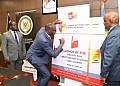
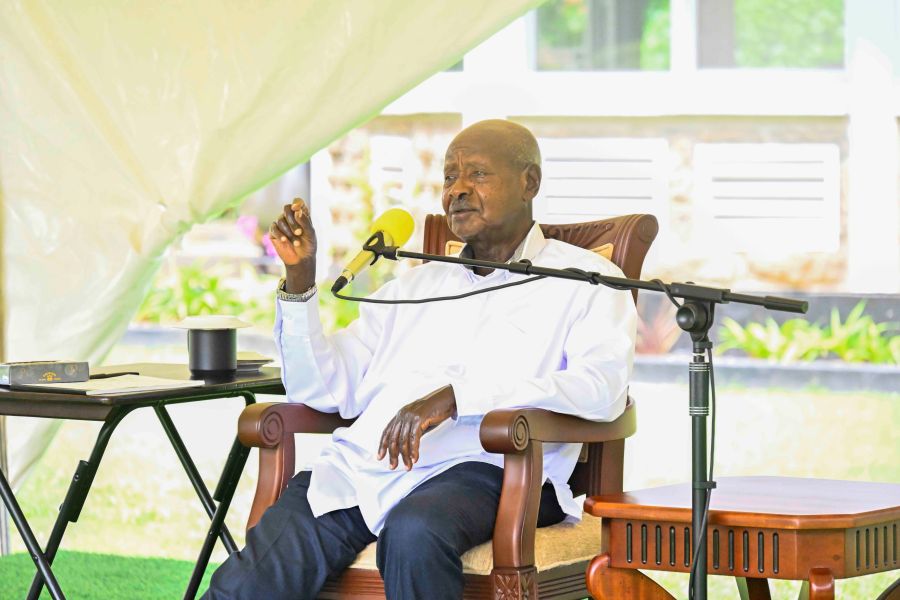
Speaking during an engagement with journalists from Wakiso District at State Lodge, Nakasero, President Museveni proposed a bold plan.
“To have some journalists act as spies for the PDM fund, help us get the news about the PDM. Help us get information and attach journalists per zone like Wakiso. I will make a directive.”
He emphasized the importance of the media in exposing theft and verifying community-level misuse of funds.
“We must defeat corruption. There must be investigations to confirm theft. Journalists should help us with all the information that we need. It must be confirmed, and we are going to put in energy,” Museveni said.
The President said he would brief Cabinet to formalize the collaboration and called for journalists to take on a stronger watchdog role in Uganda’s development agenda.
Museveni described PDM as an “experimental” but promising model designed to empower households directly, building on earlier efforts such as Entandikwa, NAADS, and Operation Wealth Creation (OWC).
“PDM has just been tested. It’s been an experiment, and it seems it’s working. So, these few that have worked we are going to put in more effort,” he added.
He acknowledged flaws in previous programs, citing misuse by OWC implementers:
“The soldiers in OWC worked well but started getting complaints that they were serving themselves the coffee seedlings and others. So, I resorted to PDM.”
To strengthen the model’s impact, the President announced increased support for PDM-active communities—including additional funding for boreholes, animal feeds, and village-level infrastructure.
“We will need boreholes in the villages, micro not communal. So we are going to add in more money and other support.”
He issued a stern warning to those misappropriating PDM funds:
“Those that stole PDM funds, we are going to sell their property, they will return our money, and they will be jailed.”
President Museveni also acknowledged the unpaid work of local leaders implementing the PDM and hinted at adding more resources to support them:
“Sh100 million for the wanainchi, we are going to add for the leaders.”
Urging Ugandans to focus on foundational development, the President discouraged fragmented and unfunded civic demands:
“Civilians like working on everything at once, which is not possible. We the fighters, we prioritize. Someone has been talking about Wakiso city… Why don’t we do something that can be a foundation for the rest?”
He called on journalists to help educate citizens on the difference between public services and private wealth, referencing traditional Banyankole wisdom.
“Development is for all of us. Wealth is for an individual. Each home must work for wealth… Okwombeka is not just about building a house. It’s about building a life, creating wealth, marrying, raising children, and then putting up a house.”
He criticized land fragmentation, calling it a symptom of ignorance and short-term thinking.
“My own mother, who was a traditional woman, changed after joining Christianity. She learned to boil milk, iron clothes, and knit. If she could change, why can’t we?”
Drawing from a recent visit to Agago, Museveni also expressed concern over poor coordination in crime reporting—particularly cattle rustling:
“A person would report that my cows are stolen in the morning when time has already passed… There is a lack of coordination.”
Referencing the recent Entebbe murder of David and Deborah Florence Mutaaga, the President urged citizens to contact police directly instead of calling relatives:
“Even if the criminal has left, the sniffer dogs are there, there are also CCTVs… We finished off those criminals in Masaka, and Kidawalime, the chief criminal, was defeated.”
In a show of goodwill, President Museveni pledged Shs100 million and a minibus to the Wakiso Journalists SACCO to support their mobility and business ventures.
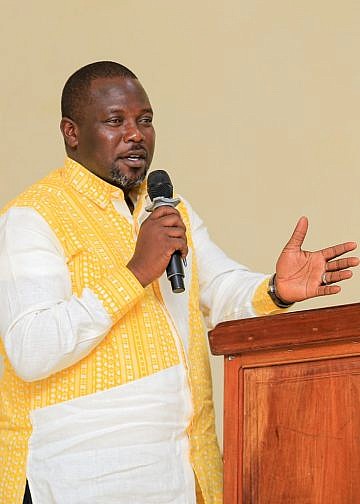
Mr. Tony Ngabo, Chairperson of Wakiso Journalists SACCO, welcomed the gesture and highlighted how journalists have transformed from mere observers to active beneficiaries of Uganda’s economic programs.
“For a long time, journalists had been like signposts… But today, because of your poverty alleviation programs, we are now part of the money economy,” Mr. Ngabo said.
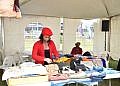
He cited examples like journalist Peter Kiiza, who expanded a retail business with Emyooga support, and journalists in Nansana who launched a tent and chair rental venture that now earns Shs500,000 monthly.
In Bweyogerere, the SACCO supports members engaged in livestock farming—goats and poultry included.
“We have moved from just looking for news. We have entered the money economy.”
Ngabo added that the SACCO had recently purchased land in Luweero for Shs15 million, now home to a piggery project.
However, he raised concern that some journalist SACCOs had yet to receive government funding:
“There are SACCOs that haven’t yet benefited. They haven’t received money, and we ask that the government supports them too.”
He appealed for continued transport support, noting that field coverage and income-generating work were being undermined by high travel costs.
“Most of our money goes into transport. We need help with transportation to support our work and projects.”