










Kampala Capital City Authority has trained about 50 journalists in Kampala to enhance reporting on air pollution and its impact on public health.
The training, held in Kampala, brought together media practitioners from print, radio, television, and digital platforms. It aimed to improve their ability to interpret air quality data and produce accurate, impactful, and solution-oriented stories.
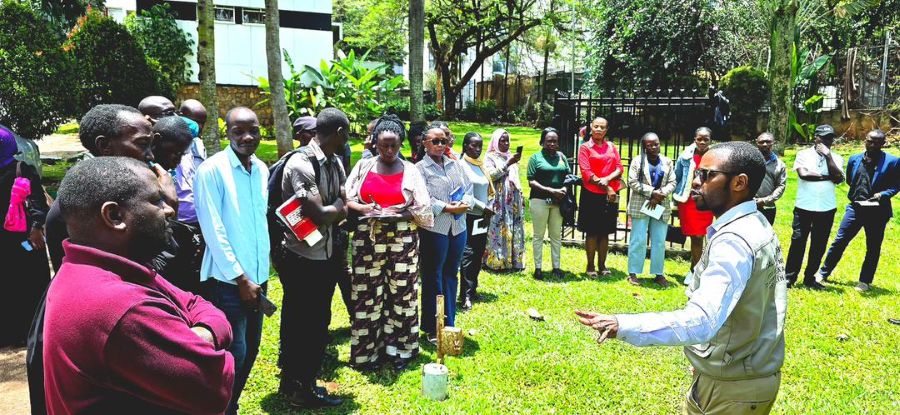
Participants were taken through key topics including the fundamentals of air pollution, data interpretation, and responsible reporting. The programme also featured a field visit to an air quality monitoring site and is expected to culminate in a press briefing on the state of air quality in the city.
According to the World Health Organization, air pollution remains a major global health threat, causing an estimated 7 million premature deaths annually. It is linked to non-communicable diseases such as stroke, heart disease, lung cancer, and chronic respiratory conditions.
Despite limited public awareness, studies indicate that air pollution contributes to nearly 30,000 deaths each year in Uganda. In urban centres like Kampala, pollution is largely driven by vehicle emissions, open waste burning, reliance on biomass fuels, and rapid industrialisation.
Speaking at the training, Makindye Division District Medical Officer Dr. Alex Ndyabakira described air pollution as a public health emergency, emphasising the critical role of the media in raising awareness and influencing behavioural change.
“By equipping journalists with the right tools, we are strengthening informed reporting and accountability, which are essential in addressing this challenge,” he said.
Data aligned with WHO guidelines shows that Uganda’s annual mean concentration of PM2.5 stands at about 50 µg/m³—five times higher than the recommended safe limit of 10 µg/m³. Health officials say this has contributed to rising cases of respiratory illnesses, including asthma, pneumonia, and chronic obstructive pulmonary disease.
The training forms part of broader efforts by KCCA and partners to tackle air pollution. A policy dialogue scheduled for April 30, 2026, is expected to bring together media, policymakers, and technical experts to prioritise air quality interventions.
KCCA has also expanded its monitoring infrastructure, installing 100 air quality stations across the city, while promoting cleaner transport solutions and improved urban planning.
The authority has called on stakeholders—including the media, private sector, and communities—to collaborate in reducing air pollution and safeguarding public health.