








Experts say media coverage, or the lack of it, is shaping how Uganda’s youth view agriculture, calling for radio stations and social media platforms to actively promote sustainable farming practices.
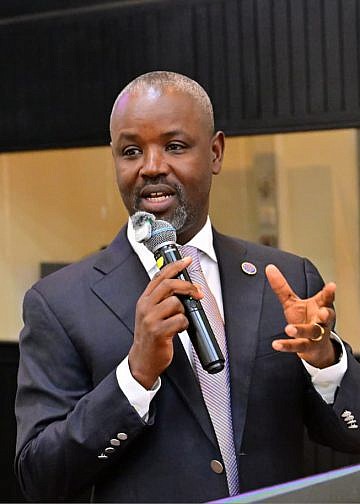
At a recent training in Kampala, Isaac Nyamuhaki, National Director of the Green Africa Youth Organization (GAYO), highlighted that most agricultural programs fail to engage young audiences because they are poorly packaged and not youth-friendly.
“Some of these programs are not well elaborated and they are not youth-friendly. And that’s why most youth tune out of these programs. We are here today to retool the radio broadcasters so they can attract more listenership and trigger more tunings from young people across Uganda,” Nyamuhaki said.
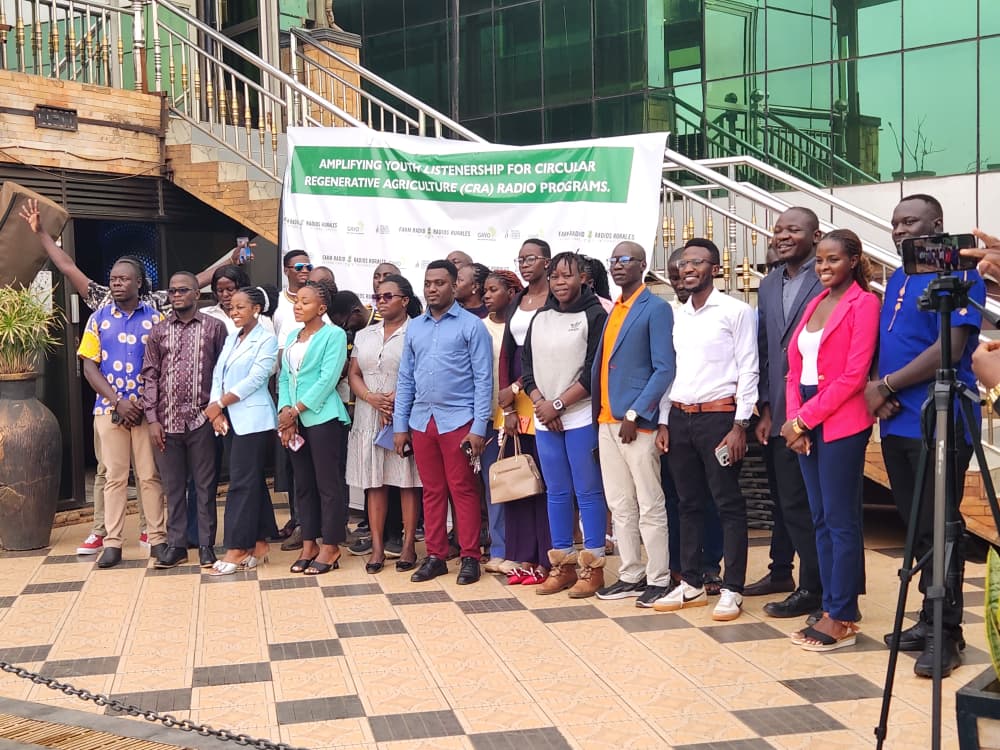
The training, conducted in partnership with Farm Radio International, taught 24 broadcasters how to communicate circular regenerative agriculture practices in ways that resonate with youth.
Pascal Mweruka, Greenleaf Senior Team Lead, emphasized that most young people are unaware they are already practicing sustainable methods, such as mulching or using animal residues.
“Most people are green about natural regenerative agriculture practices. Some do them but don’t realize it’s regenerative agriculture. We want to use media to spread awareness so youth understand that sustainable farming is both profitable and environmentally friendly,” Mweruka said.
The experts warned that limited media coverage of agriculture reduces motivation and knowledge among young people.
Myers Ndyabawe, founder of Simbla Ventures Ltd in Kamwenge, noted that programs focused on politics, entertainment, or sports dominate airtime, while agriculture—critical to Uganda’s economy—is sidelined.
“Radio stations giving more airtime to other programs than agriculture has been a negative impact. Over 70% of Ugandans rely on agriculture for survival, yet it is not given enough attention. If people are aware of a war in Ukraine but don’t know the price of a tomato, it’s hard for them to consider farming as an alternative,” Ndyabawe said.
Agricultualists called on media outlets to highlight success stories, sustainable practices, and income-generating opportunities in agriculture, arguing that this could inspire youth to engage in farming beyond traditional fieldwork.
“We also call upon radio station operators to subsidize or increase airtime for youth-focused agricultural programs so that more young people are motivated to participate,” Nyamuhaki said.