








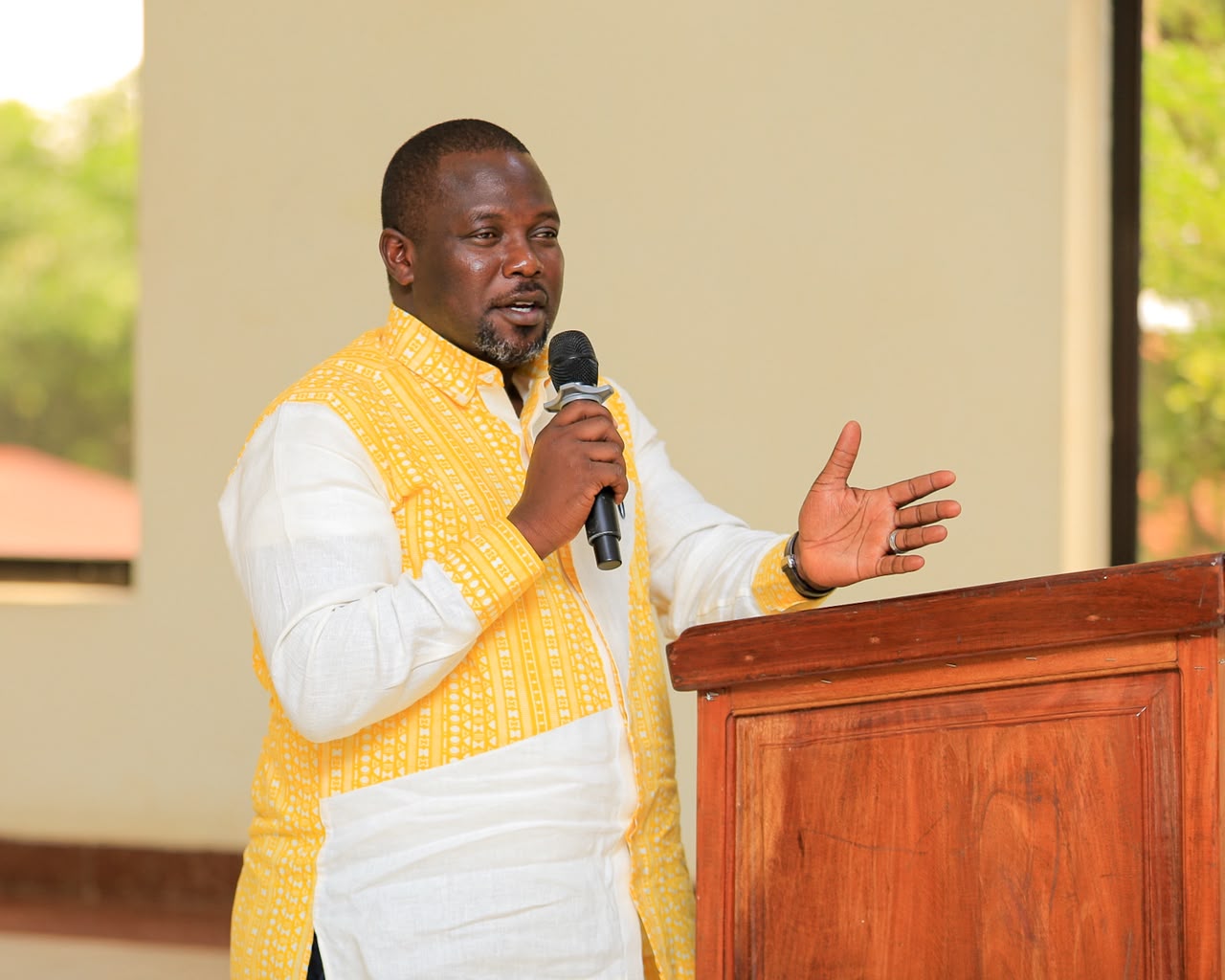
The National Resistance Movement (NRM) has intensified its nationwide mobilisation campaign ahead of the Village Women Council and Local Council I (LC I) elections, with senior party officials calling for unity, discipline, and support for officially endorsed candidates.
Over the weekend, NRM Secretariat leaders conducted sub-regional mobilisation meetings across Acholi, West Nile, Lango, Bugisu, Karamoja, Bukedi, Greater Masaka, Greater Mubende, Greater Luwero, Greater Mukono, Ankole, Rwenzori, Kigezi, and Bunyoro.
The meetings brought together Members of Parliament, district party leaders, LC V chairpersons, and other party officials to coordinate strategies aimed at strengthening grassroots structures and mobilising support for NRM flag bearers.
The central message from the engagements was that the party’s strength begins at the village level, with leaders urging members to maintain unity and avoid actions that could weaken the party ahead of the grassroots elections.
Speaking at the conclusion of the Acholi sub-regional meeting in Gulu City, NRM Secretary General Richard Todwong described LC I chairpersons as a critical foundation of the party’s leadership system.
“Every village consists of households, and within the NRM, LC I chairpersons serve as household leaders for the party. They form the bridge between the population and leadership, reaching communities even where the President cannot personally go,” Todwong said.
He said effective village structures are essential for sustaining the party’s organisation and ensuring that government programmes reach communities.
Todwong revealed that the NRM had already selected LC I flag bearers in almost all villages and that the focus was now on ensuring they win the upcoming elections.
However, he warned against internal sabotage, citing reports that some party members were allegedly financing independent candidates to challenge official NRM candidates.
“We have intelligence concerning this political disease where established leaders sabotage the party by backing independents against our chosen candidates,” Todwong said, urging leaders to prioritise party unity.
He also announced that the party had cleared outstanding debts from previous election cycles, allowing it to focus on expanding its infrastructure across the country.
According to Todwong, Shs11 billion collected through expression of interest fees will be used to construct district party offices, alongside plans for regional centres and a new national headquarters.
In Greater Masaka, NRM Deputy Secretary General Rose Namayanja warned that internal divisions remain one of the biggest challenges facing the party.
Namayanja said the opposition is not the party’s main threat, arguing that internal disagreements have previously affected the NRM’s electoral performance.
“The opposition is not the NRM’s greatest threat. Our biggest problem is ourselves because we undermine and fight each other,” she said.
She cautioned party members against contesting as independents after losing internal party primaries, saying such actions often divide votes and weaken the party.
In Bukedi, NRM National Treasurer Ambassador Barbara Nekesa Oundo called for increased grassroots mobilisation, describing villages as the foundation of the party’s strength.
She said Local Council elections are important because village leaders directly influence service delivery and the implementation of government programmes.
“The village is where our strength starts, and we must stay connected with our people through vibrant grassroots structures,” Nekesa said.
She encouraged party leaders to use village meetings and barazas to mobilise support for NRM candidates.
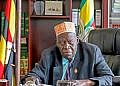
In Bugisu, the party concluded its mobilisation meeting in Mbale City with renewed calls for unity while honouring veteran leader General Moses Ali, whose death was described as a major national loss.
NRM Director of Communication Emmanuel Lumala Dombo said the meetings were aimed at preparing party leaders for the grassroots elections while sharing President Yoweri Museveni’s message on unity, wealth creation, poverty reduction, and national development.
Dombo said Museveni thanked NRM supporters for their continued confidence in the party and encouraged leaders to promote government initiatives such as the Parish Development Model (PDM) and Emyooga.
He also urged eligible voters to participate in the Village Women Council elections on July 23 and the LC I Chairperson elections on July 28.
In West Nile, NRM Director of Finance Hajjati Medina Naham thanked residents for supporting the party during the recent general elections and called for similar commitment in the grassroots polls.
In Kampala Metropolitan, Director of Mobilisation and Cadre Development Rosemary Seninde led party mobilisation efforts, reinforcing calls for stronger grassroots organisation.
Other party officials, including NRM National Women’s League chairperson Aldrine Kobusingye, Deputy National Treasurer Jacqueline Kyatuhaire, Director for External Affairs Awich Pollar, Director of Youth and Institutions Okwir Rwabwoni, NRM Electoral Commission Deputy Chairperson Jachan Omach, and several commissioners, also urged members to support official candidates and avoid funding independents.
In Karamoja, party leaders called for unity behind President Museveni and the NRM leadership, saying discipline and teamwork are crucial for maintaining political support.
In Bunyoro, President Museveni, through NRM Director for Legal Affairs Counsel Enoch Barata, encouraged Ugandans to participate in the village and women council elections.
The President said village leaders play an important role in fighting poverty, monitoring service delivery, supporting wealth creation programmes, and addressing corruption at community level.
The mobilisation campaign comes ahead of the Village Women Council elections on July 23 and LC I Chairperson elections on July 28.
The NRM leadership says the campaign is aimed at strengthening grassroots structures, increasing voter participation, and ensuring victory for party candidates as it seeks to consolidate its presence from the village level upwards.