








A youth-led pressure group within the ruling National Resistance Movement (NRM) has challenged the party’s recent endorsement of Speaker of Parliament Anita Among and her deputy Thomas Tayebwa, calling for the positions to be subjected to internal party primaries.
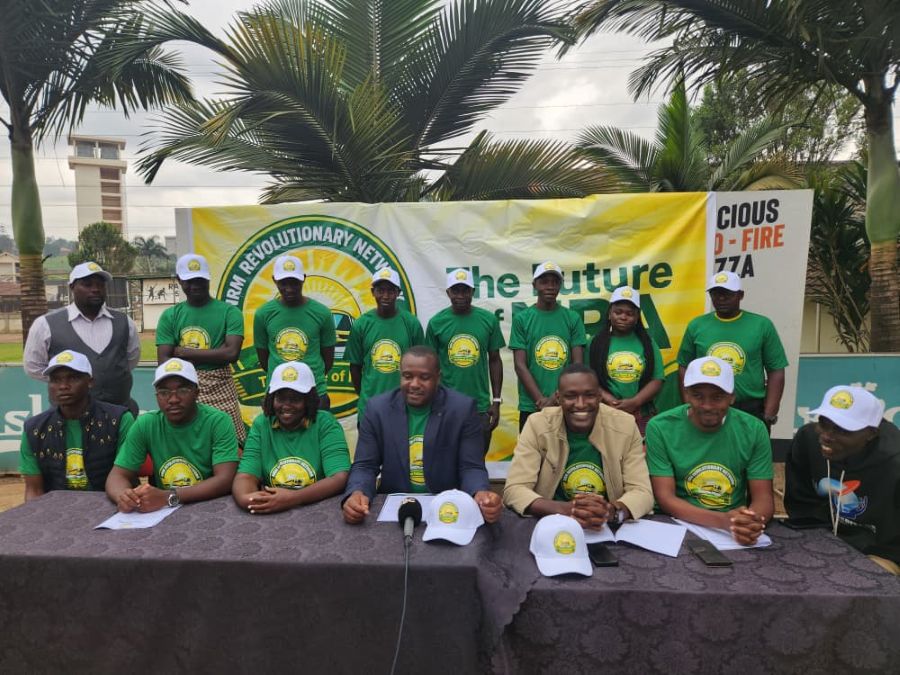
The National Resistance Movement Revolutionary Network (NRN) argues that the decision by the NRM Central Executive Committee (CEC) undermines grassroots participation and internal party democracy.
Speaking to journalists on Monday at Kati Kati Restaurant in Kampala, Edgar Stuart Mugisha, an NRN youth leader from Sheema District, criticised the CEC’s decision, saying it was unfair and exclusionary.
“As the National Resistance Movement Revolutionary Network, we were deeply perturbed when the NRM Central Executive Committee endorsed Honourable Anita Among and Thomas Tayebwa for Speaker of Parliament,” Mugisha said. “We believe these positions should be subjected to a broader, more inclusive process.”
Mugisha questioned why the party conducts primaries for most elective positions but excludes the offices of Speaker and Deputy Speaker.
“From LC1 to Parliament, the NRM holds primaries for elective positions. Why should the Speaker of Parliament be chosen by a select few?” he asked. “Members of Parliament are the true representatives of the wananchi and should be empowered to make this decision.”
He further criticised what he described as systemic dysfunction within the party, affecting the secretariat, parastatals, and special organs such as the Youth and Workers’ Leagues.
“We should not select a Speaker and Deputy Speaker within a dysfunctional system,” Mugisha said. “Empower the NRM parliamentary caucus to conduct primaries for these positions, and meaningful change will follow.”
The NRN also proposed reforms to Uganda’s presidential election process, calling for an electoral college system under which citizens would elect Members of Parliament, who would in turn elect the president.
According to NRN Chairperson Jamir Kazibwe, the proposal seeks to deepen accountability while reducing the cost and intensity of nationwide presidential campaigns.
“Today we are initiating a bold conversation on the future of governance, democracy, and accountability in Uganda,” Kazibwe said. “As the generation that will inherit this country, we refuse to remain passive observers.”
Kazibwe cited the high financial cost of presidential elections, arguing that an indirect electoral model would shift focus from populism to policy-driven leadership.
“If wananchi elect Members of Parliament to represent their ideas, then those MPs should elect the president on their behalf,” he said. “More than Shs10 trillion was spent in the last election cycle. Is this sustainable?”
The youth group also questioned the internal selection of key NRM party officials, including the Secretary General, National Treasurer, and Director of Finance, arguing that these positions should involve grassroots participation.
“If these leaders are centrally appointed, the National Delegates Conference loses its relevance,” Kazibwe said. “We want to be decision-makers in the movement, not spectators.”
The NRN’s remarks come amid growing internal debate within the NRM following the CEC’s endorsement of the Speaker and Deputy Speaker, a decision that has also drawn criticism from several party Members of Parliament, including ICT Minister Chris Baryomunsi.