










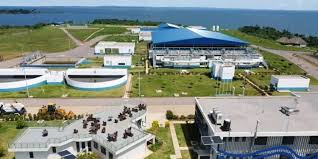
The National Water and Sewerage Corporation(NWSC) has launched a new five-year strategic plan aimed at improving water and sanitation services across the country.
The strategic plan 2025–2030 seeks to increase the number of people accessing clean and safe water from 19.5 million to 26.2 million by 2030. The corporation also plans to expand water connections to 1.294 million households and businesses as part of efforts to improve access to safe water services.
Under the new strategy, NWSC says it will focus on improving operational efficiency by reducing Non-Revenue Water from 34 percent to 28 percent to minimise water losses and improve reliability of supply.
The corporation also says the plan includes climate resilience and environmental protection measures aimed at protecting water sources and strengthening infrastructure against the effects of climate change.
Implementation of the strategy is expected to cost about Shs6.79 trillion, with funding expected from government, internal resources, and development partners.
The launch comes at a time when residents in Kampala continue to complain about persistent water shortages and unreliable supply.
There is growing public frustration, especially in Kampala and surrounding areas, where many residents say access to water has become unpredictable.
Several city dwellers report spending days without water flowing through their taps, while in some areas, water only returns late at night when many people are asleep.
Others say that even when water comes back, the pressure remains too low to fill tanks or support domestic use, forcing many families to rely on expensive water vendors.
The continued shortages have recently attracted criticism from different leaders, including the Katikkiro of Buganda, Charles Peter Mayiga, who raised concerns over the inconsistent supply and poor service delivery by the corporation.