








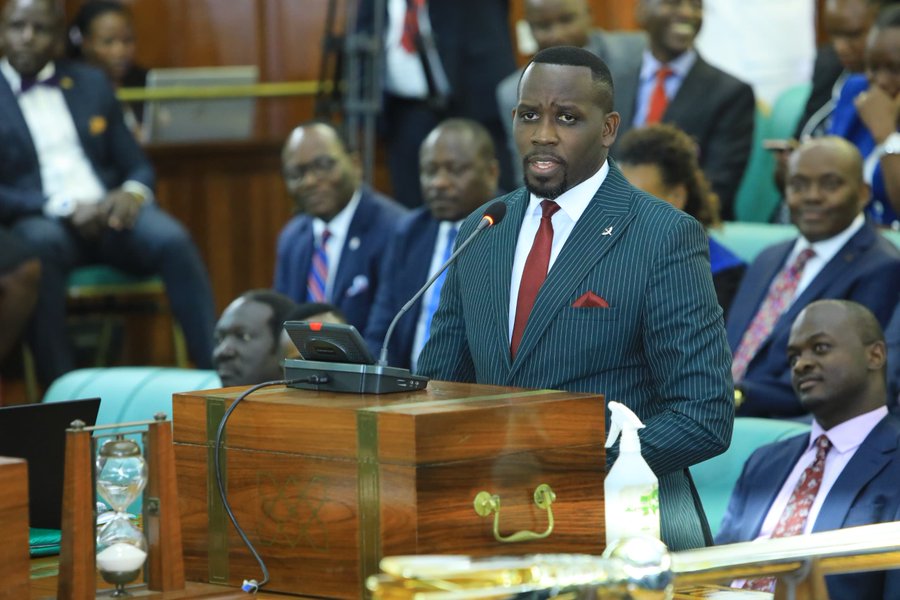
Opposition in Parliament has raised fresh concerns over the proposed Protection of Sovereignty Bill, 2026, warning that it could undermine Uganda’s democratic and economic standing if not carefully scrutinised.
Led by the Leader of Opposition, Joel Ssenyonyi, the Opposition cautioned that while protecting national sovereignty is important, the proposed law risks being misused to curtail freedoms and weaken institutions.
“A law that appears to withdraw Uganda from international frameworks or disregard global obligations risks isolating the country, discouraging investment and undermining economic stability,” Ssenyonyi said.
He added that the debate comes at a critical time as Parliament considers the national budget, stressing that lawmakers must weigh the broader implications of the bill on governance and human rights.
“If the sovereignty bill is used to justify restrictions on accountability, media freedom or civil society engagement, then it ceases to be a tool of protection and becomes an instrument of control,” he said.
Ssenyonyi warned that such a move would erode public trust and weaken democratic institutions.
“We are not against the protection of Uganda’s sovereignty. On the contrary, true sovereignty is strengthened when citizens are empowered, institutions are independent and government is accountable to the people,” he said.
He emphasised that sovereignty should not be used to shield inefficiency or suppress dissent, but instead serve as a foundation for responsible governance and inclusive development.
“We therefore call upon Parliament and the country at large to subject this bill to thorough scrutiny. Those that are not consistent with the Constitution should never see the light of day,” Ssenyonyi added.
The Protection of Sovereignty Bill, 2026 seeks to control foreign influence in Uganda.
It defines a “foreigner” broadly, including Ugandans living abroad, and says anyone receiving money or support linked to them can be treated as an “agent.”
The bill would require such people or organisations to first get approval from the Minister before receiving funds.
Experts warn that it could affect NGOs, churches, businesses and even individuals receiving remittances, placing them under stricter government control.