










PELUM Uganda has called for stronger connections between agroecological farmers, policymakers and markets to build a more resilient and sustainable food system in Uganda.
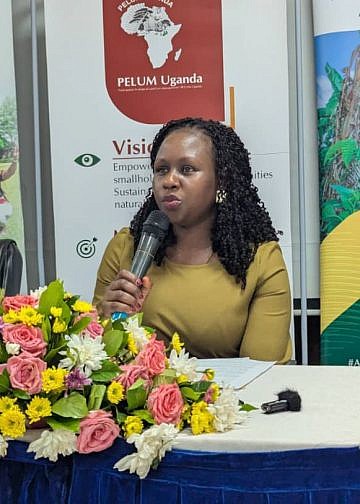
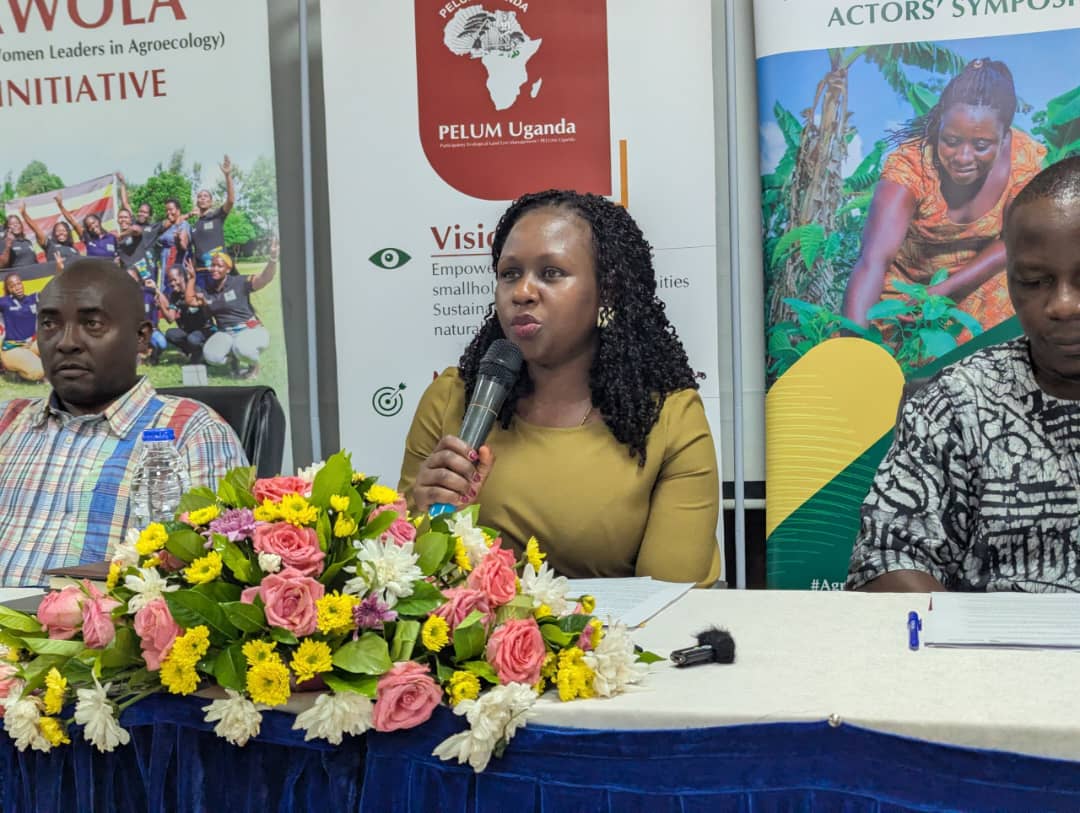
The call was made on Thursday at Hotel Africana in Kampala during the launch of the 2026 National Agroecology Week of Action, organised by PELUM Uganda in collaboration with the Ministry of Agriculture, Animal Industry and Fisheries (MAAIF), the Ministry of Trade, Industry and Cooperatives (MTIC) and other partners.
The five-day event, scheduled for October 26–30, will be held under the theme, “Accelerating a Just and Resilient Food Future: Connecting Agroecological Production, Policy Action, and Market Synergies.”
Organisers expect the Week of Action to bring together more than 1,500 participants, including smallholder farmers, farmer organisations, policymakers, researchers, agroecological entrepreneurs, development partners, private-sector representatives and consumers.
The initiative seeks to promote the wider adoption of agroecology by strengthening connections between sustainable agricultural production, supportive policies, market access, biodiversity conservation and inclusive economic opportunities.
Speaking at the launch, Edward Mukiibi, Executive Director of Slow Food Uganda and Chairperson of the PELUM Uganda Board, said Uganda’s food security and economic future depend on protecting biodiversity while ensuring farmers earn sustainable livelihoods.
“Uganda’s food future depends on our ability to protect biodiversity, support farmers and build food systems that nourish people while sustaining the environment. The Agroecology Week of Action provides an important opportunity to connect policy commitments with practical solutions and market opportunities,” Mukiibi said.
He emphasised that agroecology should not be viewed solely as a means of promoting sustainable agricultural production, but also as an opportunity to improve household incomes, create economic opportunities and preserve Uganda’s food heritage.
“We must ensure that agroecology is recognised not only for its contribution to sustainable production, but also for its potential to strengthen livelihoods, create opportunities, and preserve our food heritage,” he said.
The organisers said the focus on agroecology comes at a time when agriculture remains a major source of employment and livelihoods in Uganda.
World Bank data based on International Labour Organization estimates indicate that approximately 65% of Uganda’s employment was in agriculture in 2025, underscoring the importance of strengthening agricultural systems that support rural livelihoods while protecting natural resources.
The National Agroecology Week of Action will feature three major events aimed at advancing Uganda’s agroecological agenda.
The 8th National Agroecology Actors’ Symposium, scheduled for October 28, will focus on transforming Uganda’s agrifood systems and advancing agroecology in line with the Kampala CAADP commitments.
Also scheduled for October 28 is the 5th Agroecological Market Systems Expo (AMASE), which will bring together agroecological enterprises and potential buyers to create opportunities for business partnerships, financing, value addition and improved market access.
The expo will also feature the launch of the Enterprise Readiness, Partnership Facilitation and Uptake Acceleration Assessment Report. In addition, it will highlight opportunities to connect regenerative agriculture with the productive use of renewable energy.
The 16th Indigenous and Traditional Seed and Food Festival, scheduled for October 29–30, will celebrate Uganda’s indigenous seeds, traditional foods and agricultural biodiversity.
The festival will feature exhibitions, cooking demonstrations, food tastings and knowledge-sharing sessions highlighting the contribution of indigenous food systems to nutrition, climate resilience and cultural identity.
PELUM Uganda said farmers would be central to efforts to safeguard seed diversity and preserve traditional agricultural knowledge for future generations. Particular emphasis will be placed on women and older generations, who play an important role in conserving indigenous seeds and passing traditional farming practices on to younger people.
Through the Week of Action, organisers hope to strengthen collaboration among farmers, policymakers, researchers and market players, ensuring that agroecological production is supported by policies and commercial opportunities that enable farmers to earn sustainable incomes.
The initiative also seeks to demonstrate how protecting agricultural biodiversity and promoting sustainable farming practices can contribute to a more resilient food system, stronger rural livelihoods and a sustainable future for Uganda’s agriculture sector.