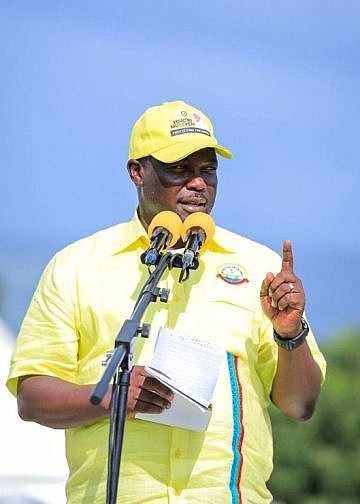


















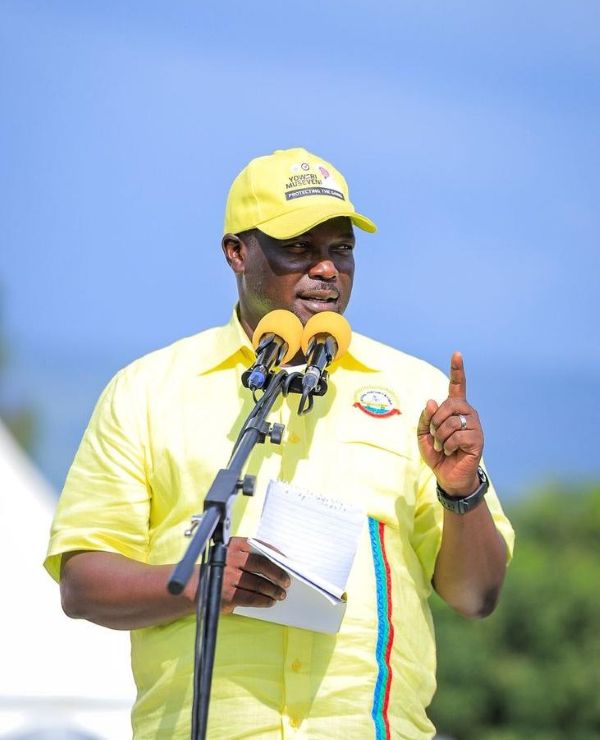
The political ascent of Richard Todwong has been characterised by gradual progression through party ranks, underpinned by grassroots mobilisation and long-term engagement with the National Resistance Movement led by Yoweri Kaguta Museveni.
In the 2026 general elections, the NRM secured an unprecedented 71.56 percent of the national vote — its strongest performance under a Secretary General. Analysts attribute this historic outcome in part to Todwong’s strategic reforms and effective party mobilisation.
Todwong first gained recognition during his university years, advocating for the NRM in Northern Uganda, a region traditionally resistant to the party. Peers from that period describe him as a disciplined organiser, committed to building party structures and recruiting cadres rather than seeking personal attention.
His influence expanded across the Acholi sub-region, where he played a key role in strengthening NRM presence and establishing enduring organisational networks.
Todwong later represented Nwoya County in Parliament, gaining legislative experience and deeper insight into constituency issues. Before his parliamentary tenure, he served as Special Presidential Advisor for Northern Uganda, focusing on post-conflict political coordination, regional reconciliation, and community engagement.
He also held the position of Minister in charge of Political Mobilisation, where he aligned government programmes with party outreach, strengthened messaging, and oversaw grassroots engagement. His appointment as Deputy Secretary General further embedded him in the administrative and operational machinery of the NRM, managing internal processes and coordinating national activities.
Upon assuming office as Secretary General, Todwong inherited a party facing structural and financial challenges. His tenure has been marked by institutional reforms, including the introduction of a digitalised membership register, financial restructuring with district-level accountability, revitalisation of district offices, and implementation of infrastructure projects.
Grassroots mobilisation remained a priority. Village, parish, and district committees were reactivated, while youth and women leagues were strengthened. Todwong also outlined long-term plans for cadre training and ideological development to ensure sustained party discipline and continuity.
2026 Electoral Success
Ahead of the 2026 elections, Todwong coordinated nationwide mobilisation efforts, emphasising disciplined messaging, early preparation, and internal cohesion. The Secretariat worked closely with President Museveni’s campaign team to maintain strategic alignment.
When results were announced, the NRM achieved 71.56 percent of the national vote, consolidating traditional strongholds and improving performance in competitive regions — marking the party’s most decisive electoral showing under a Secretary General.
Observers and party supporters credit Todwong’s organisational reforms and grassroots focus with strengthening the NRM’s internal structures. His approach reflects a leadership style centred on institutional consolidation rather than personal visibility.
From student activist to Secretary General, Todwong’s political journey demonstrates the value of sustained organisational commitment and disciplined mobilisation in achieving lasting party success.