










Men are suffering the largest share of cancers caused by preventable risks, according to a new global report by the World Health Organization (WHO), released as the world marked World Cancer Day on February 4.
The study, conducted by WHO and its cancer research agency, the International Agency for Research on Cancer (IARC), shows that 45% of all new cancer cases in men in 2022 were linked to preventable causes, compared to 30% in women.
Overall, the report found that about 7.1 million cancer cases worldwide were caused by factors that can be prevented, including tobacco, alcohol, cancer-causing infections, high body mass index, physical inactivity, air pollution, ultraviolet radiation, and occupational hazards. The study examined 30 preventable causes across 36 cancer types in 185 countries.
“Men are far more exposed to major cancer risks, especially tobacco and alcohol,” said Dr André Ilbawi, WHO’s Team Lead for Cancer Control.
“This is why we see a much higher burden of preventable cancers among men worldwide.”
Tobacco and alcohol are the biggest killers
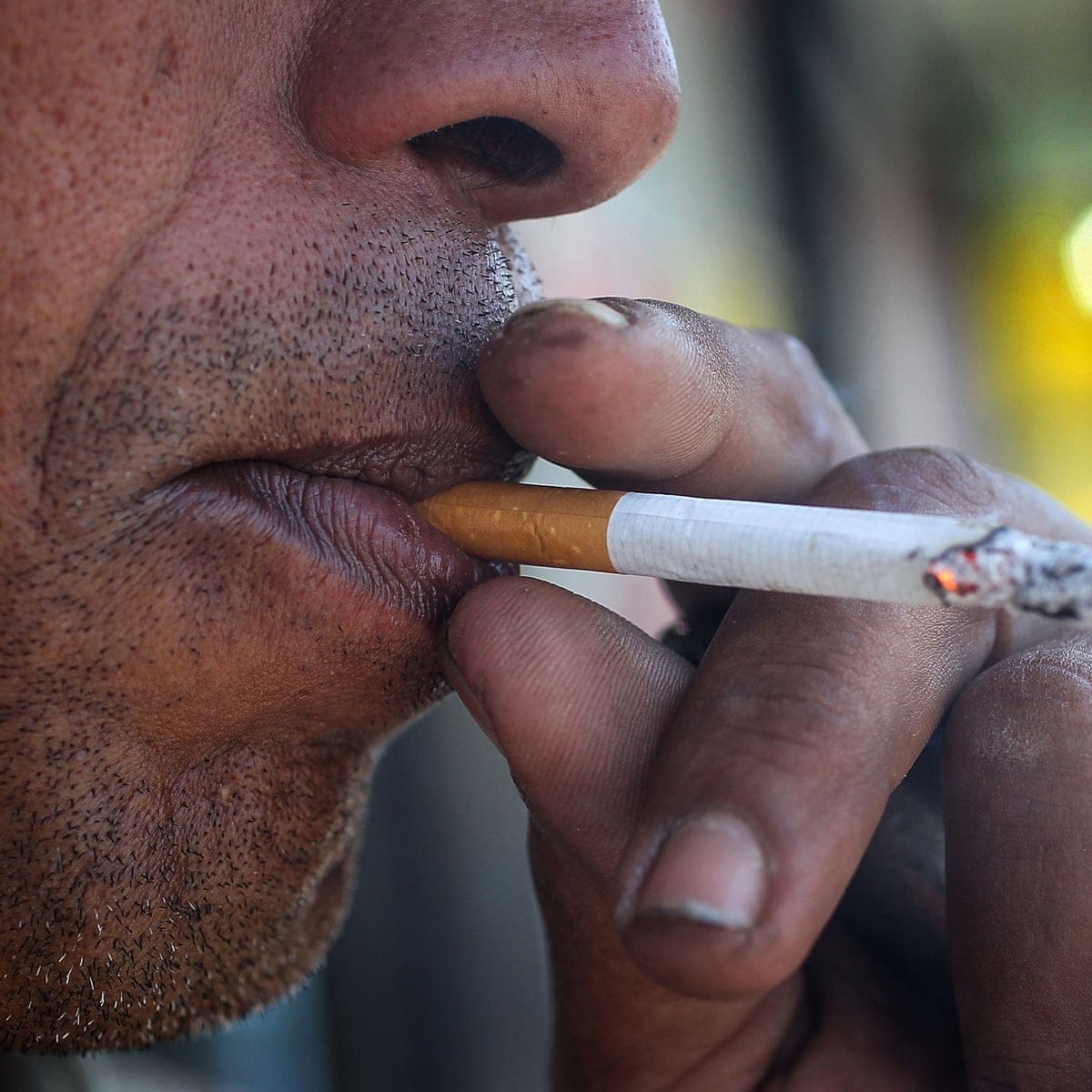
The report identifies smoking as the leading cause of preventable cancer in men, responsible for 23% of all new male cancer cases.
Infections caused 9%, and alcohol consumption added another 4%.
WHO says these risks contribute to cancers of the lungs, throat, mouth, liver, stomach, bladder, and other organs, making them among the most common and deadly cancers in men.
Lung, stomach, and cervical cancers dominate
Nearly half of all preventable cancers globally come from lung, stomach, and cervical cancer.
Lung cancer is primarily linked to smoking and air pollution, Stomach cancer is largely caused by Helicobacter pylori infection. Cervical cancer is overwhelmingly caused by human papillomavirus (HPV), which can be prevented by vaccination
While men are mainly affected by tobacco- and alcohol-related cancers, women see a higher burden from infections, which account for 11 percent of new female cancer cases, followed by smoking (6 percent) and high body mass index (3 percent).
Regional differences
The report highlights major regional variations:
Among men, the highest preventable cancer burden is in East Asia at 57 percent, while the lowest is in Latin America and the Caribbean at 28 percent, among women, preventable cancers range from 24 percent in North Africa and West Asia to 38 percent in sub-Saharan Africa.
These differences reflect varying exposure to behavioral, environmental, occupational, and infectious risks, as well as differences in socioeconomic development, prevention policies, and health system capacity.
In addition to tobacco and alcohol, the WHO report identifies other major preventable cancer risks:
Cancer-causing infections such as HPV, hepatitis B, and H. pylori, high body mass index (overweight and obesity), physical inactivity, air pollution, ultraviolet radiation and occupational exposures (hazardous chemicals and unsafe workplaces)
WHO is urging governments to strengthen tobacco and alcohol control through taxes, bans on advertising, and cessation programs, expand vaccination against HPV and hepatitis B, improve air quality and workplace safety, promote healthy diets and physical activity and coordinate prevention across sectors such as health, education, transport, energy, and labor
“Addressing these preventable causes represents one of the most powerful opportunities to reduce the global cancer burden,” said Dr Isabelle Soerjomataram of IARC.