









A landmark partnership between The African Talent Company (TATC) and the Mastercard Foundation is scaling its impact across Africa, aiming to tackle youth unemployment through inclusive, technology-enabled solutions.
Initially launched in Nigeria under the Young Africa Works strategy, the initiative has now expanded to East Africa, targeting underserved communities in Kenya and Uganda.
Since 2020, TATC, through its Nigerian arm Jobberman, has trained more than 2.4 million young people and facilitated over 600,000 job placements across the country. Using data-driven, community-based approaches and low-bandwidth digital platforms, the programme has prioritised accessibility for youth aged 18–35, particularly in marginalised settings.
In Abuja, Jobberman recently hosted the Technology and Employment Inclusion in Marginalised Contexts (TEIMC) Roundtable—an event designed to spotlight the employment challenges facing some of Africa’s most vulnerable groups, including women in disadvantaged communities, persons with disabilities (PWDs), and internally displaced persons (IDPs).
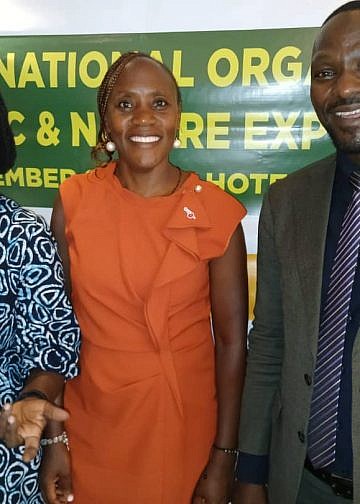
“Technology can and must be a force for inclusion, not division,” said Hilda Kabushenga, CEO of The African Talent Company. “As the world of work evolves, we must ensure that no one is left behind. These conversations are about equity, access, and opportunity.”
The event also marked the launch of a pivotal report, “Technology and Employment Inclusion in Marginalised Contexts,” which found that while 72% of Nigerian employers make no effort toward inclusive hiring, digital innovation is opening new doors. Notably, 55% of surveyed PWDs and 44% of displaced women had found work—mainly through self-employment in creative media and agriculture.
“Inclusion is not a side conversation, it is the main agenda,” emphasised Rosy Fynn, Country Director at the Mastercard Foundation Nigeria. “We must design systems where marginalised groups are not just considered, but centred.”
The roundtable’s findings will inform the Young Africa Works learning agenda, providing a foundation for improved employer training, platform innovation, and inclusive employment policy design.
Echoing this sentiment, Axel Konjack, Head of Global Marketplaces and Member of the Ringier Group Executive Board, noted, “Africa is home to the world’s youngest and fastest-growing workforce. That presents both a responsibility and an opportunity. Building a truly inclusive global economy requires investing in the skills and tools young Africans need to thrive.”
Following the success in Nigeria, TATC and the Mastercard Foundation are extending these efforts across East Africa. BrighterMonday Kenya recently hosted its inaugural Career Clinic in Kakuma in collaboration with the Amahoro Coalition. The event reached over 200 displaced youth through skills training, mentoring, and job readiness workshops under the theme “Future Ready: Equipping Talent for Inclusive Digital Job Markets.”
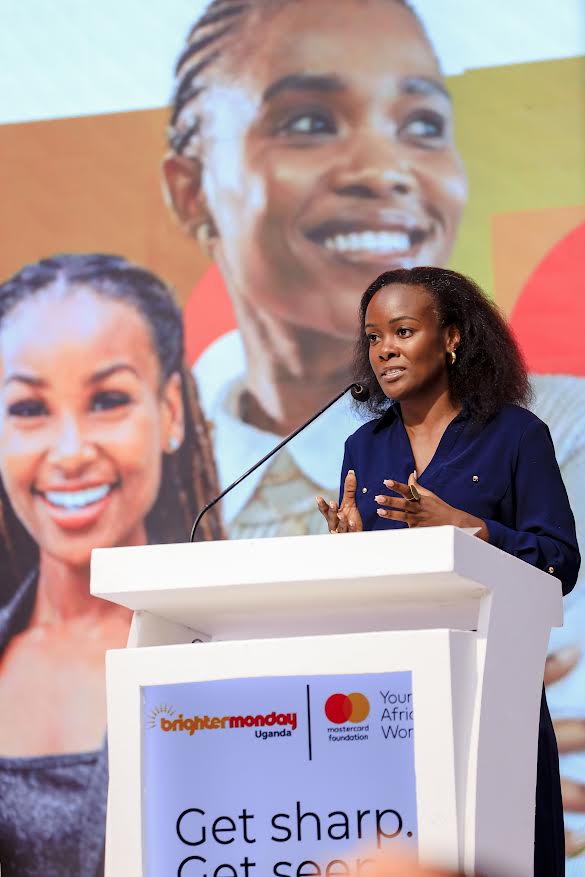
In Kampala, BrighterMonday Uganda held a similar Career Clinic, uniting private sector leaders and government stakeholders around the theme “Skills For Today: Empowering Uganda’s Youth To Take Control Of Their Future.” Hundreds of youth benefitted from CV reviews, coaching, and digital skills development—demonstrating the programme’s commitment to practical, scalable, and sustainable employability solutions.
“This expansion reflects our belief that every young African, regardless of circumstance, deserves the opportunity to earn a dignified livelihood,” said Kabushenga. “The partnership in Nigeria has laid a strong foundation, but the real work has just begun.”