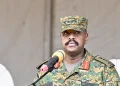








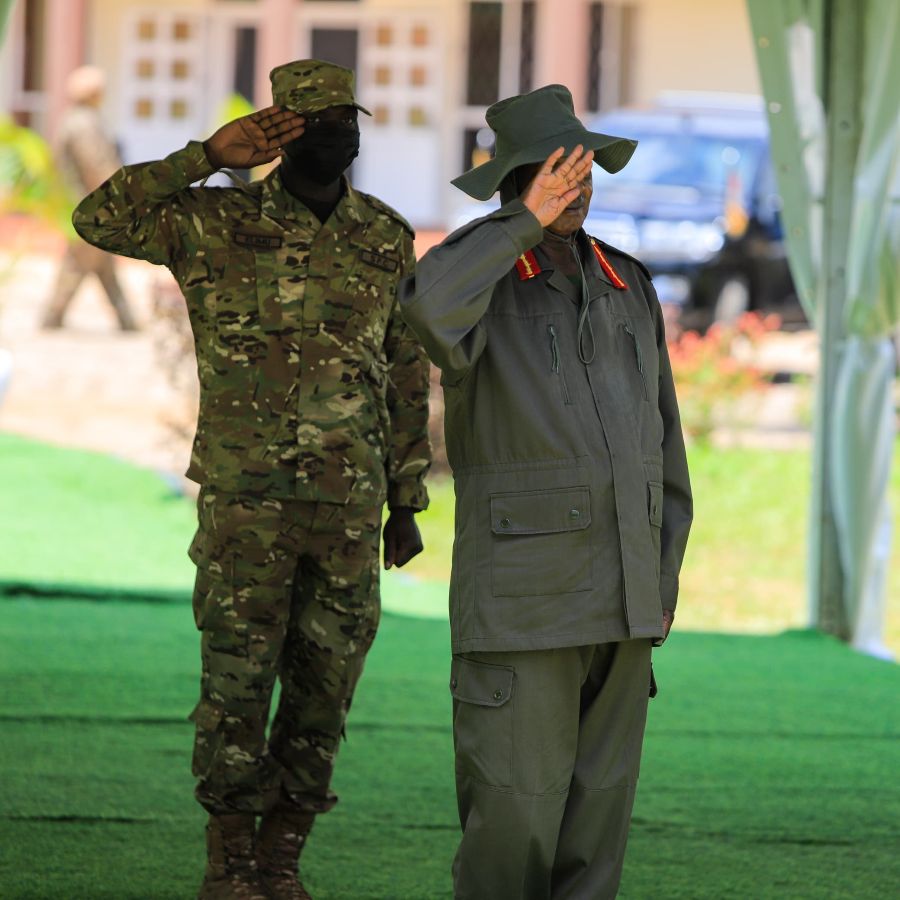
President Yoweri Museveni has explained why he consistently brings Members of Parliament from the National Resistance Movement (NRM) to the Ngoma presidential farm, describing it as a historically significant site rooted in the country’s liberation struggle.
Addressing MPs during a retreat at the farm in Nakaseke District, Museveni said the location serves as a “living classroom” to remind leaders of the sacrifices and strategy that shaped the National Resistance Army (NRA) during the bush war.
The President recounted events of February 20, 1984, when NRA forces under the command of Gen. Salim Saleh launched an attack and overran Masindi Barracks.
He said the fighters had trekked for days from Kanyara towards Luweero before successfully carrying out the operation.
Museveni explained that the NRA closely monitored military communications of the government forces led by then-President Milton Obote, enabling them to confirm the success of the attack.
“We intercepted a message early in the morning from one of Obote’s signallers reporting that Masindi Barracks had been attacked and overrun,” Museveni said.
At the time, Museveni said he was stationed in Kanyara while Gen. Henry Tumukunde served as the zonal commander for the area.
He described a strategy in which a smaller, armed combat unit would carry out attacks, followed by a larger group of unarmed fighters tasked with transporting captured weapons.
“I mobilised a big number of unarmed fighters to collect the weapons captured during the attack,” he said.
Museveni noted that he set off later that morning with the group, and after an overnight stop nearby, they passed through the Ngoma area on February 21, carefully avoiding government troops before crossing towards Kyankwanzi.
He highlighted the area’s strategic geography, describing it as being surrounded by rivers such as River Mayanja, River Kafu and River Lugogo, which aided their movements.
The group later rejoined Saleh’s forces after crossing the Kafu River. The unarmed fighters then transported the captured weapons back across the rivers and camped in the Ngoma area for the night.
“A small government force attempted to attack us here(Ngoma), but we repelled and dispersed it,” Museveni said.
Following the end of the war, Museveni said he deliberately acquired the land due to its historical importance, navigating what he described as a complex land ownership system to secure it for government use.
“I decided to buy this land for the government because of its history,” he said, adding that he later established a guest facility on the site to preserve its legacy.
Museveni emphasized that the farm, located at the confluence of River Mayanja and River Kafu, is intended to serve as a reminder of the discipline, planning, and sacrifice that led to the NRM’s eventual success.
“This place is for history. That is why I always bring you here,” he told the MPs.