







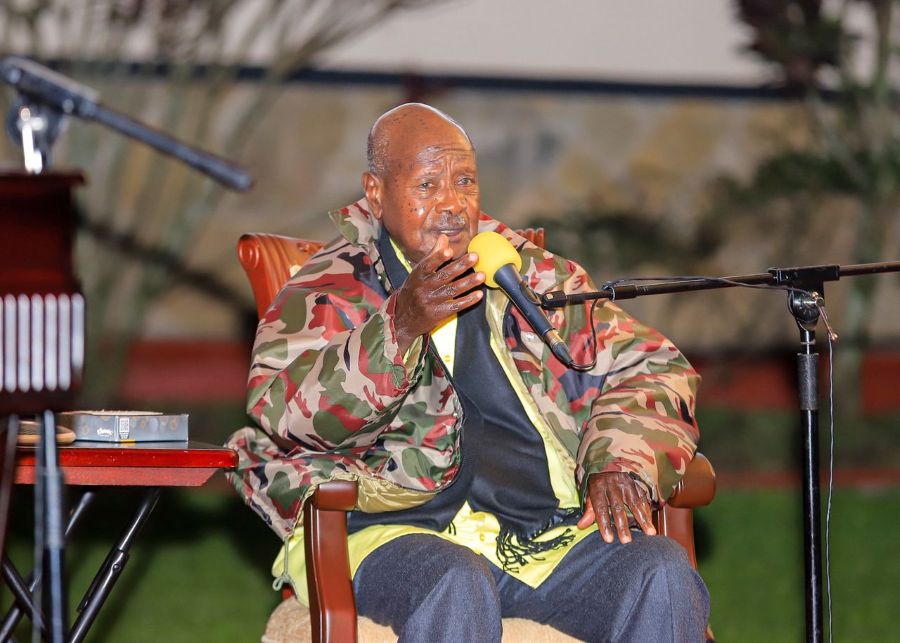
President Museveni has hailed Uganda’s political system as a model of genuine democracy, arguing that the country’s broad-based representation and affirmative action policies ensure that all segments of society have a voice in governance.
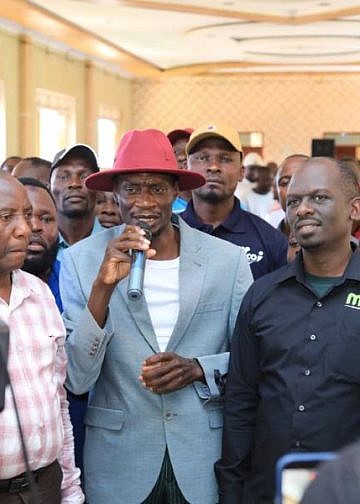
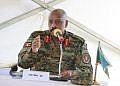
Speaking to journalists in Gulu, the President said Uganda’s system—where leaders are elected from the village level up to Parliament—embodies true democracy because it involves all citizens in decision-making and includes special provisions for women, youth, people with disabilities, workers, soldiers, and the elderly.
“Our democracy is real democracy, not a theatre like they do in some other countries,” Museveni said. “We represent all broad sections of the population, and every adult participates in electing their leaders—from the village, parish, sub-county, and district level up to the national parliament.”
“We have constituency Members of Parliament where every adult participates and affirmative action for women MPs. We also have MPs for disabled, workers, youths, soldiers, elderly .I would like to know which country would be more democratic like that.”
He praised Uganda’s progress in women’s representation, contrasting it with the early years of independence when only two or three women sat in a Parliament of 90 members.
“How can you have only three women representing 50 percent of the population and call that democracy?” he asked.
Museveni also urged elected leaders to focus on effective governance rather than populist politics.
“The only issue I see is for leaders to know what to do. Sometimes they try to please the population by giving out money and getting into debts,” he cautioned.
The President called on local leaders and citizens to actively monitor government programs such as the Parish Development Model (PDM) and Emyooga to ensure accountability and proper service delivery.
“If the population could use their mandate to check government programs—why roads are not done, how funds are used—we could go very far,” he said.