








Uganda has emerged as the best-performing country in Africa — and third worldwide — in managing wetlands and hazardous chemicals, according to a new global environmental performance assessment by a Boston-based university.
The National Environment Management Authority (NEMA) attributed the milestone to strong environmental governance under President Museveni, combined with the dedication of communities, civil society, and the private sector.
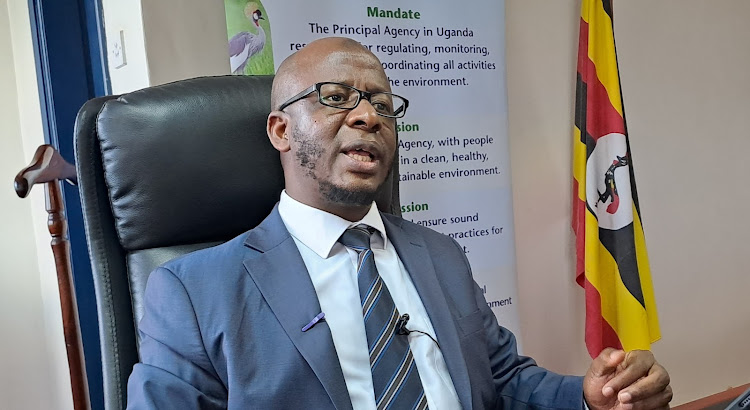
“This recognition is proof that Uganda is capable of world-class environmental stewardship,” said NEMA Executive Director, Dr. Barirega Akankwasah.
“Our wetlands and chemical management systems are vital not only for environmental health but also for the wellbeing of millions of Ugandans who depend on them for their livelihoods.”
Uganda’s wetlands, which cover about 13% of the country’s land area, provide vital ecosystem services including water purification, biodiversity conservation, flood control, and climate change resilience. They also sustain agriculture, fisheries, and eco-tourism.
The country has also stepped up its hazardous chemicals management, ensuring safe storage, transport, and disposal in line with international conventions such as the Basel, Rotterdam, and Stockholm agreements.
Over the years, Uganda has implemented a series of environmental conservation initiatives, including restoration of degraded wetlands across multiple districts, community sensitisation and alternative livelihood programs to reduce wetland encroachment, strengthened enforcement of environmental laws with penalties for polluters, and partnerships with private sector industries to promote safe chemical handling and waste reduction.
Despite the global recognition, Dr. Akankwasah stressed that challenges persist.
“We cannot afford to relax. Wetlands continue to face pressure, and hazardous chemicals, if not properly handled, pose serious risks. NEMA will continue to enforce the law, promote sustainable practices, and work with all stakeholders to protect our natural resources,” he said.
He urged Ugandans to take pride in the achievement and actively contribute to environmental protection.
“This achievement belongs to every Ugandan. If we work together, we can sustain our leadership and leave a clean, healthy, and productive environment for future generations,” he added.