





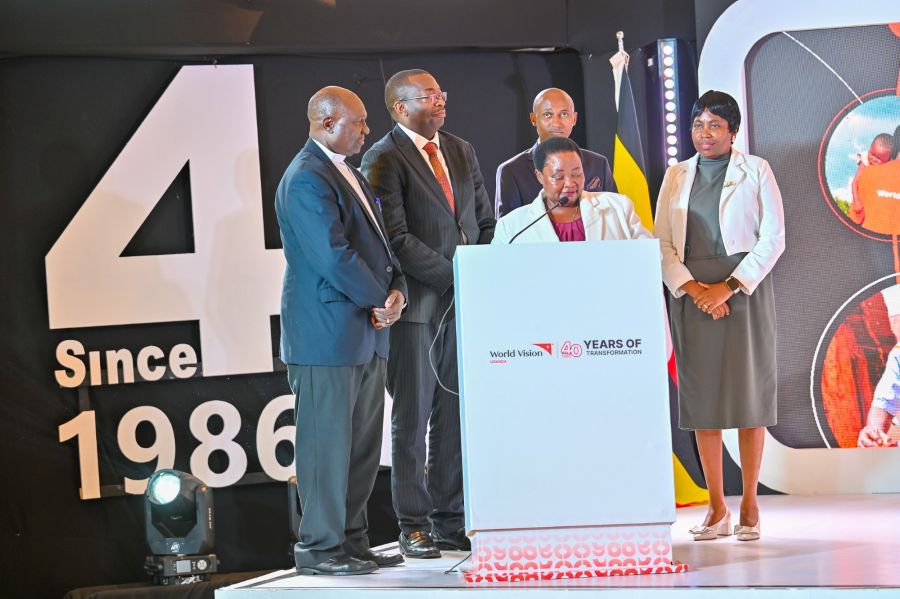
World Vision Uganda has marked 40 years of operations in the country with the launch of a new five-year strategic plan that targets contributing to the sustainable wellbeing of more than five million vulnerable children and their families by 2030.
The organisation began its work in Uganda in 1986, initially responding to the needs of children and families affected by the conflict in the Luwero Triangle. Four decades later, it operates across several regions and sectors, including health and nutrition, child protection, education, economic empowerment, and water, sanitation and hygiene.
The 40th anniversary celebrations provided an opportunity for the organisation to reflect on its work since 1986 while unveiling its priorities for the 2026–2030 period.
Over the years, World Vision Uganda has expanded its interventions beyond the initial recovery efforts in Luwero to communities affected by conflict, displacement, food insecurity and poverty.
Its work has included the rehabilitation of communities affected by the Lord’s Resistance Army conflict in Northern Uganda, responses to food insecurity in Karamoja, and support for refugee and host communities in West Nile and South-Western Uganda.
The organisation says the new strategy will build on this experience while placing greater emphasis on reaching children and families facing the greatest vulnerabilities.
World Vision Uganda Board Chair Michael Segwaya said the organisation intends to remain committed to communities even in difficult circumstances.
“One promise I want to share is that as we embark on the next forty years, we will stay. When it is difficult, we will stay. When the world looks away, we will stay. When resources are scarce and the challenges are great, we will stay, because the children of Uganda deserve a partner who does not leave when it gets hard,” Segwaya said.
World Vision Uganda National Director Jeremiah Nyagah said the organisation was proud of the progress made since 1986 but acknowledged that significant challenges remain.
“As we celebrate 40 years of transformation in Uganda, we give thanks for the millions of children, families and communities whose lives have been transformed through the collective efforts of government, donors, faith leaders, communities and development partners,” Nyagah said.
“While we are proud of the impact achieved since 1986, we recognise that much work remains. Our new 2026–2030 strategy renews our commitment to reaching the most vulnerable children and ensuring they experience lasting wellbeing, resilience and hope for a brighter future,” he added.
The anniversary event brought together government officials, development partners, donors, faith leaders, civil society organisations, community representatives, and current and former World Vision staff.
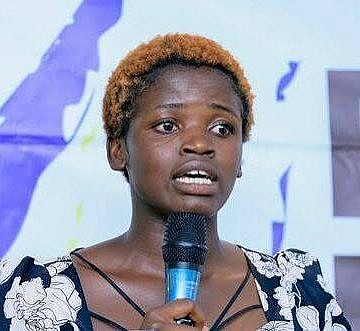
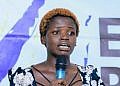
Children who have benefited from programmes supported by the organisation were also given an opportunity to share their experiences.
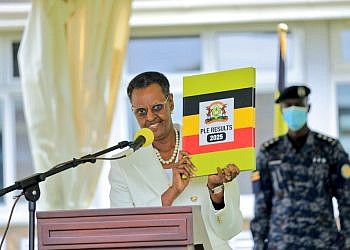
Prime Minister Robinah Nabbanja, who was the guest of honour, commended World Vision Uganda for its contribution to Uganda’s development.
Nabbanja conveyed President Yoweri Museveni’s congratulations to the organisation and highlighted its longstanding partnership with government.
“The government and World Vision share a rich history since World Vision’s founding in 1986. World Vision has worked with us on the social and economic agenda, building schools, health facilities and livelihoods through collaboration,” Nabbanja said.
She also cited progress in areas where World Vision operates, including reductions in household poverty and child marriage and improvements in education outcomes.
“Household poverty levels have dropped, child marriages have reduced, and education outcomes have improved in areas where World Vision works. These achievements are not organisational successes, but contributions to the government’s development agenda,” she said.
Nabbanja further recognised World Vision’s contribution to policy and legislative efforts addressing child sacrifice, child labour and child marriage, as well as its involvement in school feeding programmes.
The organisation’s new strategy comes at a time when vulnerable children and households in Uganda continue to face challenges linked to poverty, food insecurity, displacement, access to essential services and child protection.
World Vision Uganda says its 2030 target will require continued collaboration with government, donors, civil society, faith-based organisations and local communities.
The organisation’s four-decade journey began with emergency recovery work in Luwero and has evolved into a broader development and humanitarian presence across the country.
The launch of the 2026–2030 strategy marks the beginning of what World Vision Uganda describes as its next phase of work, with the organisation seeking to expand its contribution to the wellbeing and resilience of vulnerable children and families over the next five years.