











The Royal Academy of Engineering is scaling its impact in Uganda by mobilising its network of more than 100 alumni from the Africa Prize for Engineering Innovation and the Leaders in Innovation Fellowships (LIF) to mentor early-stage student founders at engineering universities across the country.
For more than a decade, the Academy has trained and funded engineering entrepreneurs globally. In Uganda, this experience is now being channelled into supporting pre-revenue student entrepreneurs as they work to transform academic ideas into practical solutions that address pressing community challenges, with alumni mentors committing one to two hours of support each week.
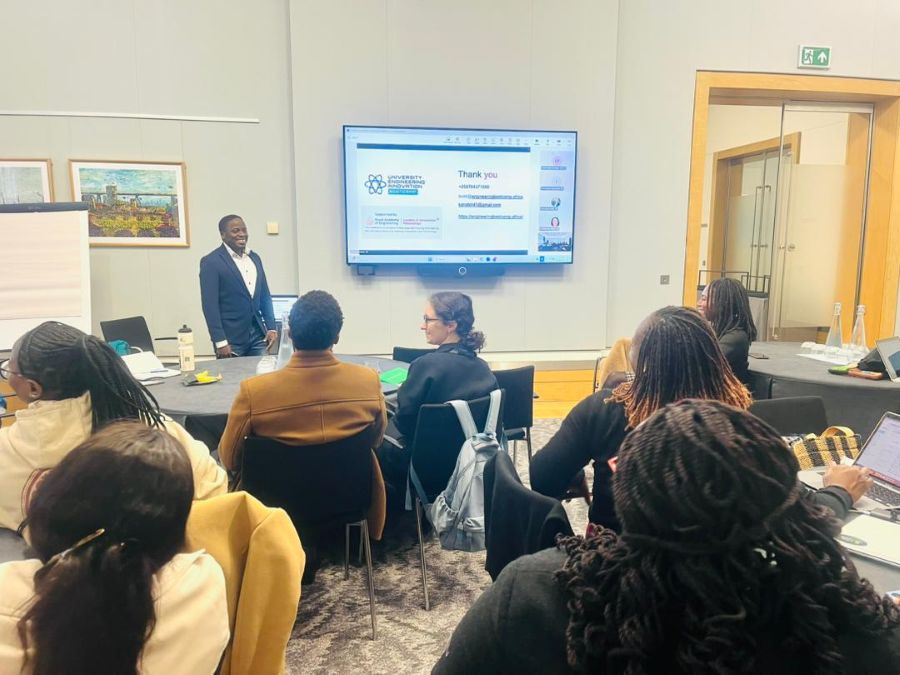
At the centre of the initiative is the Engineering Innovation Bootcamp Uganda, a six-week programme designed to equip final-year engineering students with the skills, exposure and mentorship required to convert academic projects into market-ready ventures. During the programme, participants receive hands-on training in prototyping, business modelling, pitching and commercialisation, supported by mentorship from Africa Prize and LIF alumni.
The bootcamp is led by Anatoli Kirigwajjo, Chief Executive Officer and Co-founder of Yunga Technologies and Africa Prize 2023 winner; Kelvin Mulama, Chief Executive Officer and Co-founder of ShopOkoa and LIF Innovator of the Year 2025; and Catalina Isaza Falla, Chief Executive Officer and Co-founder of Innmetec, an LIF alumna and MIT Innovator Under 35 (2023).
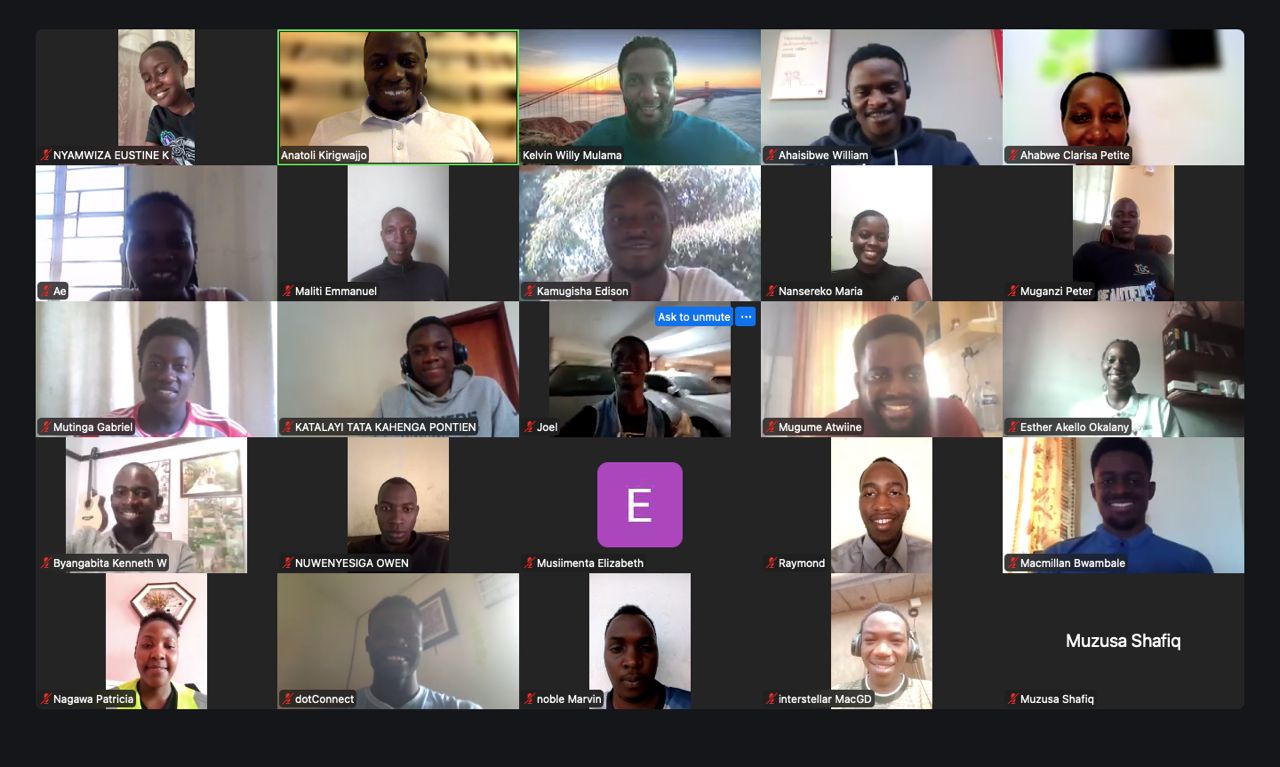
Organisers say the programme is expected to significantly expand Uganda’s startup pipeline, particularly as it is replicated across more universities next year.
Speaking on the rationale behind the programme, Kirigwajjo said it responds directly to a key question raised during UNESCO Africa Engineering Week and the 9th Africa Engineering Conference: why engineering students, despite heavy investment in education, often end up unemployed or in casual and unskilled jobs across many African countries.
“The answer lies partly in structural challenges highlighted by the Royal Academy of Engineering’s Engineers for Africa 2025 report, which points to a low engineer-to-population ratio of about one engineer per 30,000 people, rising unemployment among engineering graduates, outdated curricula with limited practical training, and weak linkages between academia and industry,” Kirigwajjo said.
He added that, “By bridging the gap between education, employment and entrepreneurship, the Engineering Innovation Bootcamp Uganda strengthens the country’s innovation ecosystem while promoting inclusive participation, including increased support for female-led engineering startups.”
Kirigwajjo further noted that the programme contributes directly to Sustainable Development Goals 4 on Quality Education, 5 on Gender Equality, and 9 on Industry, Innovation and Infrastructure.
The inaugural bootcamp attracted strong interest, with 150 students shortlisted from universities across the country, including Makerere University, Kampala International University, Mbarara University of Science and Technology, Gulu University, Kyambogo University, Uganda Martyrs University, Islamic University in Uganda, Ndejje University, Uganda Christian University, Cavendish University Uganda, Busitema University, Kabale University, Victoria University and Uganda Technology and Management University, among others.
From the initial cohort, 12 teams will advance to a second selection round. Five teams will each receive Shs 1,000,000 in seed funding, while one additional team will receive Shs 500,000 through a public vote. Angel investors will be invited to the programme’s demo day, with opportunities to invest up to USD 1,000 in promising teams.
Beyond the bootcamp, alumni mentors will continue supporting teams to raise between USD 1,000 and USD 10,000 within six to twenty-four months. Organisers estimate that the first cohort alone could generate up to 500 jobs, with long-term projections suggesting the creation of more than 300,000 jobs across Africa by 2030.
“As a bold intervention in Uganda’s engineering sector, the Engineering Innovation Bootcamp Uganda is empowering students to turn ideas into scalable ventures while laying the foundation for sustainable economic growth and innovation-driven development,” Kirigwajjo said.