








The Ugandan government has assured the public that the Ebola situation in the country is under control following the confirmation of an imported case of Ebola Bundibugyo Virus Disease from the Democratic Republic of Congo (DRC).
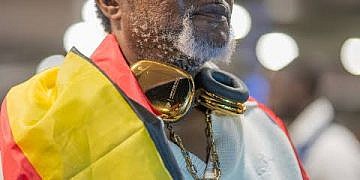
In a public statement, the Executive Director of the Uganda Media Centre, Alan Kasujja, said the government has swiftly activated response mechanisms after the death of a 59-year-old Congolese man who had crossed into Uganda and later died at a health facility in Kampala on May 14, 2026.
Kasujja noted that all individuals who had contact with the patient, including health workers, relatives, and close associates, had been traced and are being closely monitored.
He emphasized that there is no cause for alarm, adding that the situation had been contained through established public health response systems.
“The Ministry of Health, as it has done many times before, has traced all those who interacted with the patient, including health workers, close relatives, and friends. The situation has been contained,” he said.
He further urged the public to remain vigilant but calm, advising Ugandans to observe basic preventive measures and immediately report suspected cases.
“In the unlikely event that you identify a person showing Ebola symptoms such as sudden fever, fatigue, chest pain, diarrhoea, vomiting, unexplained bleeding, and yellowing of the eyes, please take precautions, wash your hands, avoid bodily fluids, and report to the nearest health facility,” he said.
According to the Ministry of Health, the confirmed case involved a 59-year-old Congolese national who was admitted to Kibuli Muslim Hospital on May 11, 2026, presenting with fever, respiratory distress, abdominal pain, nausea, and difficulty passing urine.
His condition worsened, and he later died in the Intensive Care Unit on May 14, 2026, after developing bleeding symptoms. His body was subsequently returned to the DRC the same day.
On May 15, 2026, Ugandan health authorities received alerts from counterparts in the DRC regarding a suspected Ebola case.
Laboratory analysis of samples conducted at the Central Public Health Laboratories in Wandegeya confirmed Ebola Bundibugyo Virus Disease.
The Ministry of Health stated that the case is classified as imported and that no local transmission has been detected in Uganda.
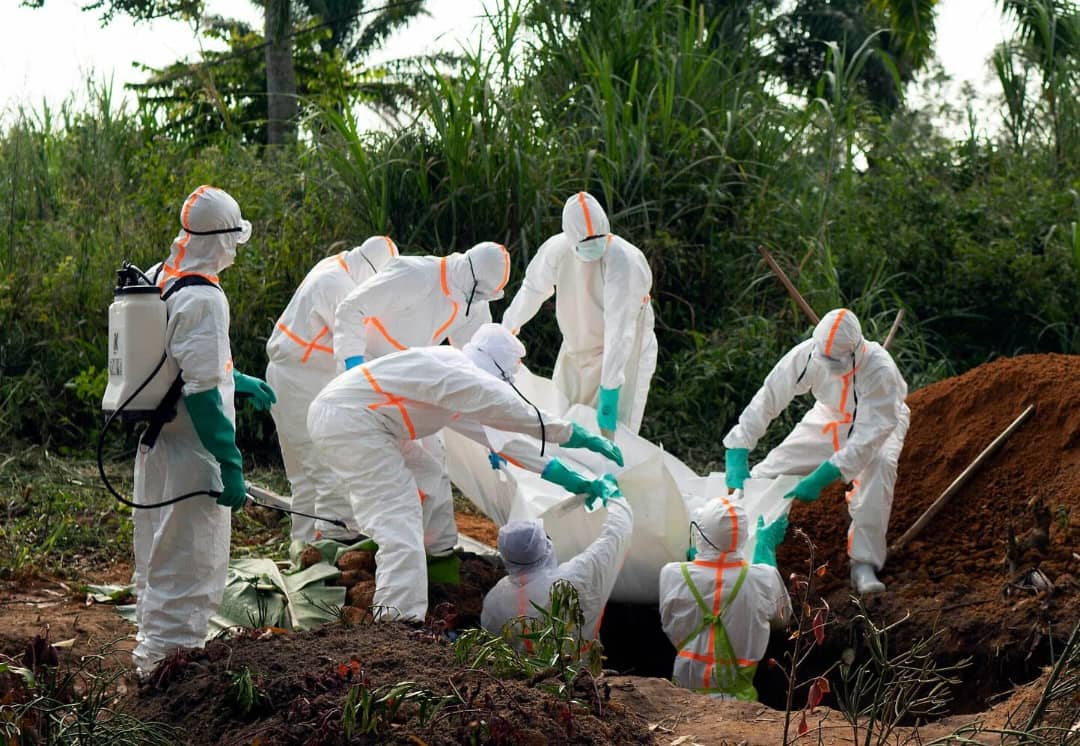
Following confirmation, government activated national and district-level response measures, including intensified screening at border points, enhanced surveillance along major transit routes, and deployment of rapid response teams in high-risk districts.
Mobile laboratory services were also deployed to Bwera Hospital, alongside strengthened isolation, infection prevention, and risk communication interventions.
One high-risk contact, identified as a close relative of the deceased, was isolated, while other contacts were placed under quarantine and close monitoring.
The Permanent Secretary in the Ministry of Health, Dr. Diana Atwine, confirmed that emergency response systems had been activated to prevent further spread.
Uganda has urged the public to avoid physical contact with anyone showing Ebola-like symptoms and to maintain strict hygiene practices, including regular handwashing and prompt reporting of suspected cases.
Uganda last experienced an Ebola outbreak in April 2025, which was contained within three months, recording 14 cases, including 12 confirmed and two probable infections, with four deaths and 10 recoveries.
A total of 534 contacts were monitored during that outbreak.
The Ministry said lessons from previous outbreaks have strengthened national preparedness and enabled a faster response to the current imported case.