
















By Michael Woira
The previous year was defined by nonstop political activity. Everywhere you went, there were rallies, roadshows, and campaign teams criss-crossing the country. Uganda was firmly in campaign mode.
Before full mobilisation began, the Electoral Commission conducted nominations at its new headquarters in Lubowa. That decision alone mattered. By moving the process away from the Central Business District, the Commission avoided traffic chaos, business disruption, and unnecessary tension in the city. It was a quiet but smart move.
Once the official roadmap was released, districts and regions across the country sprang into action. Supporters lined up behind their candidates, and campaign machinery shifted into full gear. I personally followed three or four candidates closely, but above all President Museveni, who chose to begin his campaign in Luwero — the birthplace of Uganda’s liberation struggle. That choice was symbolic. It reminded the nation where the journey started and why stability matters.
In Luwero, Museveni launched his campaign around a simple but powerful message: protecting the gains. And when Ugandans talk about gains, we all understand what that means. Over the past four decades, Uganda has built national infrastructure, expanded health and education services, improved security, and stabilised the economy. Roads, electricity, schools, hospitals, and peace did not fall from the sky; they were built step by step. The message was clear: what has been achieved must be safeguarded and strengthened.
On the other side was Mr Robert Kyagulanyi, whose slogan was “protest the vote.” What that meant in practice was never clearly explained. However, a closer look at their manifesto showed that much of it focused on improving systems that already exist. In essence, they too were talking about protecting the gains — just framed in different language.
The campaigns initially unfolded calmly. Each candidate moved within their allocated districts, guided by the Electoral Commission’s roadmap. Problems arose when one candidate repeatedly ignored security guidelines. Routes were changed without agreement, instructions were disregarded, and convoys diverted themselves.
In any country, such actions would create tension. In Uganda, where public order during elections is especially sensitive, security responded with force in some instances. Some supporters appeared eager to “test” the system — to see how far they could push. That approach only worsened the situation.
As someone who grew up during the Firebase music era, I respect Kyagulanyi as an artist. But politics demands a different discipline. Leadership requires order, not performance. A country cannot be run like a concert stage. Campaigns require structure, not bravado (ekibuli).
In terms of messaging, the contrast was clear. President Museveni focused on what has been done — hospitals, schools, roads, electricity, and security — and on what still needs to be accomplished. These were things people could see and touch in their own communities.
Other candidates spent much of their time attacking Museveni personally rather than clearly explaining what they would do differently. Some even behaved as though they had already won, announcing first ladies and celebrating State House before a single vote had been cast.
Then came polling day.
I moved around several polling stations in my village to observe the process. Despite fear among some voters, voting went on. The internet shutdown sparked complaints, but it also reduced online propaganda, fake results, and coordinated disinformation. This time, the noise was not on social media; it was at polling stations, where people quietly lined up to vote.
When the results were announced, President Museveni had won with over seven million votes, while Mr Kyagulanyi received about two million. Apart from a few clashes between supporters and security personnel, the country did not descend into widespread chaos. Uganda remained largely calm.
What was striking, however, was what happened online — especially among some Ugandans abroad. From TikTok and other platforms, people who were not even in the country called for violence, urging others to burn petrol stations, destroy roads, or harm fellow Ugandans. That kind of rhetoric was reckless. You cannot burn the house you live in. Politics should never turn into hatred for one’s own country.
Ironically, Kyagulanyi once sang “Obululu Tebutwawula” — a song reminding us that voting should not divide us. In it, he warned against hating one another over politics and destroying the country we all share. It was a powerful message. Sadly, politics has caused many to forget those words.
Today, Uganda is calm. People are back to work. Life is moving on.
This year should not be about endless political fights. It should be about building our lives — making money, educating our children, growing businesses, and strengthening our communities. The “New Uganda” is not just a slogan; it is what we create every day through work, discipline, and peace.
We have voted. We have a government. Now it is time to move forward as one country — and in Pastor Bugembe’s words, “Mr Kyagulanyi, komawo ekka please.”
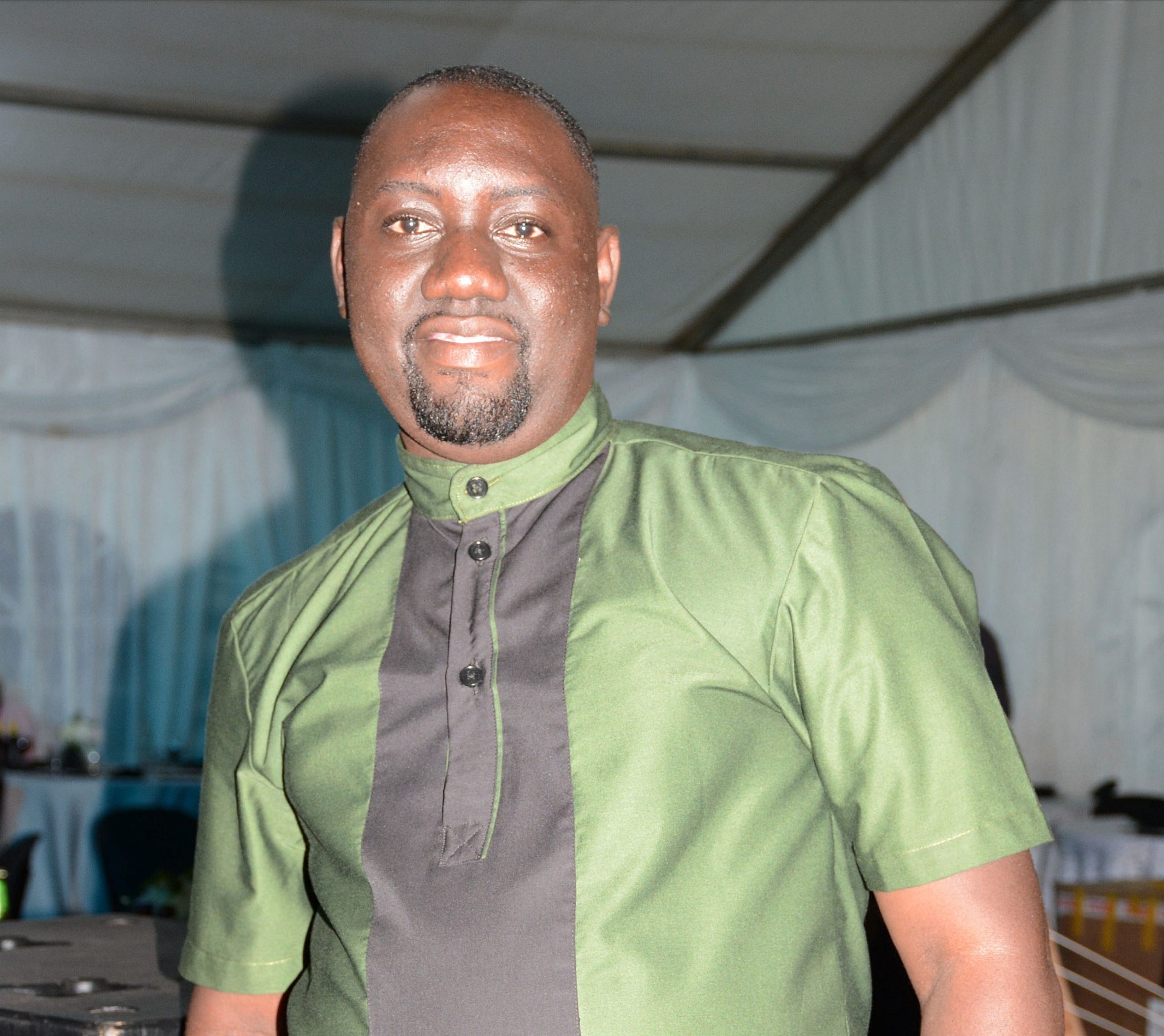
The author is a patriotic Ugandan