











Female boda boda riders in Kampala have positioned themselves at the centre of efforts to transform Uganda’s transport sector through road safety, professionalism and behavioural change.
The initiative was championed by the Kampala Twezimbe Women Boda Boda Riders Association under Boda Boda Industry Uganda, in partnership with the Uganda Police Force, the Intelligent Transport Monitoring System (ITMS), and private sector stakeholders through a targeted training programme for women riders.
Speaking during the engagement held at Teacher’s House in Kampala, the association’s Chairperson, Dativah Mukeshimana, said the goal extends beyond improving riding skills to changing public attitudes toward women in the transport industry.
“We want to cause a behavioural change and a shift in mindset in how people see the role of women in society. These female riders deserve to be seen as professional, safe and responsible riders,” Mukeshimana said.
The training focused on equipping riders with practical knowledge in road safety, customer care, mental wellbeing and compliance with traffic regulations while also creating space to discuss challenges women face in a largely male-dominated sector.
Adrine Kobusingye, the Chairperson of the NRM Women’s League, described the initiative as an example of women taking leadership in building safer communities and stronger economic participation.
“As women, we must continue to lead by example, embrace discipline, support one another, and contribute positively to safer roads and stronger communities,” she said.
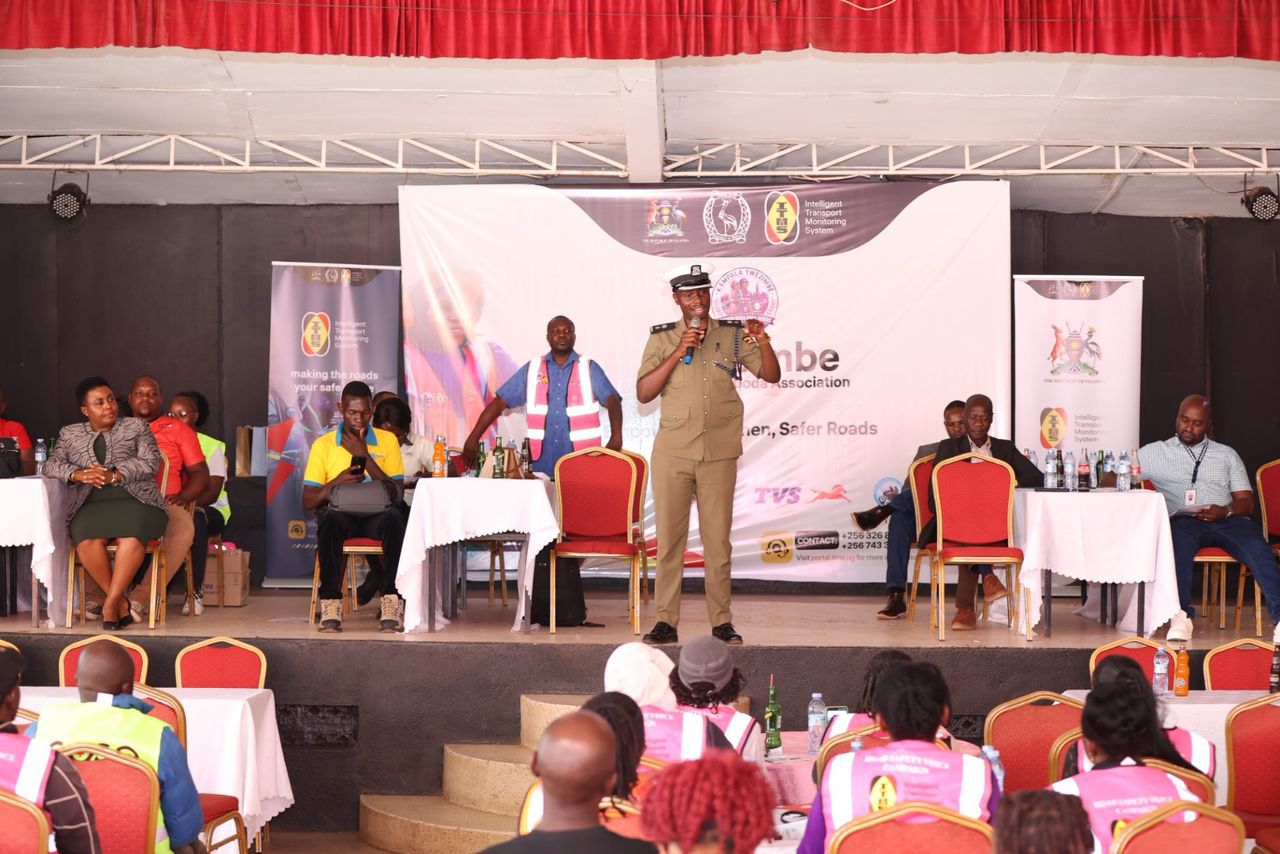
Uganda Police Force emphasised that professionalism must begin with discipline on the road.
SP Michael Kananura urged riders to maintain responsible road conduct, noting that discipline remains key to reducing accidents and avoiding enforcement action.
He cautioned the participants that safer roads depend on road users respecting traffic laws and maintaining professional standards.
The discussions also highlighted government plans to strengthen traffic compliance through technology.
Representatives from the Ministry of Works and Transport informed participants that government is in advanced stages of reintroducing the Express Penalty System (EPS), aimed at improving adherence to traffic regulations and reducing reckless road behaviour.
“Every road user has a role to play in making our roads safer, and EPS is one of the tools helping us achieve that goal. Our focus is on changing behaviour and enhancing road safety,” officials noted.
Steven Turyarugayo, the ITMS Public Relations Consultant said technology will play an increasingly important role in road safety and vehicle security.
“We have just concluded the national validation exercise on the Express Penalty System. The feedback from Ugandans has been positive, with many expressing optimism that EPS will reduce road accidents and bring sanity to our roads,” Turyarugayo said.
Private sector participants also introduced discussions on e-mobility and emerging automotive technologies, signalling opportunities for women riders to participate in Uganda’s evolving transport landscape.
Organisers say the initiative demonstrates how targeted training and partnerships between government and private actors can support women to become not only participants in the boda boda industry but leaders shaping safer and more professional transport services.