








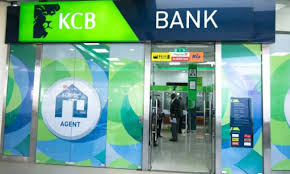
KCB Bank Uganda has enhanced access to personal credit for salaried customers as part of efforts to support early financial planning and improve household financial stability.
The bank’s Unsecured Personal Loan targets salary earners seeking flexible financing without the requirement for collateral, positioning borrowing as a structured tool for planned investment rather than emergency spending.
As economic activity picks up at the start of the year, financial institutions are increasingly emphasising the role of early planning in achieving sustainable financial outcomes. For salaried workers, access to timely credit can support long-term goals such as education, property acquisition, or business development, while maintaining predictable cash flow.
Under the facility, eligible customers can access loans of up to Shs 500 million, with approval timelines of up to 48 hours. Repayment periods of up to 120 months are intended to ease monthly repayment obligations and support disciplined financial management.
The bank said the product responds to growing demand among salary earners for structured credit solutions that align with long-term financial planning. Customers have used such financing to upgrade professional skills, acquire land, invest in housing, or establish supplementary income-generating ventures.
“Starting the year with a clear financial plan allows income to be used more strategically,” said Miranda Bageine Musoke, head of retail banking at KCB Bank Uganda. “When supported by appropriate financial solutions, credit can contribute to stability and long-term growth.”
Beyond unsecured personal lending, KCB Bank Uganda said it continues to offer complementary financial services, including insurance through bancassurance, working capital financing for small businesses, mortgage loans, and digital credit products such as mobile-based loans and credit cards.
Industry data indicates that access to credit remains a challenge for many Ugandans. According to Statista, nearly 70 percent of Ugandans cite limited access to credit as a major obstacle to achieving their financial goals.
As more salaried workers seek to move from short-term borrowing to intentional financial planning, financial institutions are increasingly positioning credit as part of a broader ecosystem of financial services aimed at supporting long-term economic participation and resilience.