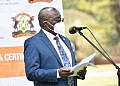












President Museveni and his Kenyan counterpart William Samoei Ruto have presided over the groundbreaking ceremony of the Devki Mega Steel Plant in Kayoro Village, Osukuru County, Tororo District — a landmark moment for East Africa’s industrial future.
The project, developed by Kenyan industrialist Dr. Narendra Raval of the Devki Group, has an estimated investment value of Shs 1.8 trillion (approximately USD 500 million, based on an exchange rate of around Shs 3,574 per US dollar).
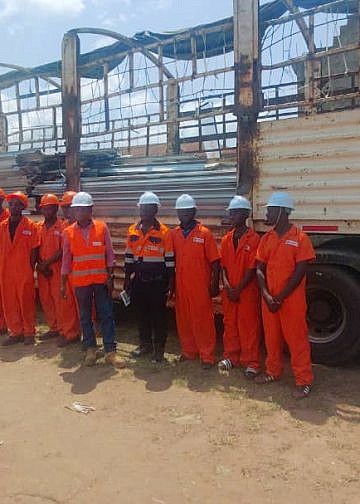
When fully operational, the vertically integrated steel facility is expected to employ about 15,000 Ugandan workers from Tororo and Mbarara.
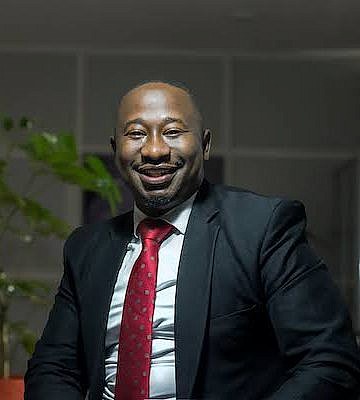
Dr. Raval stated that many of these jobs will emerge from the steel operations and from linked industries, including related ventures in Tororo, Mbarara, and a forthcoming iron-ore refinery in Kabale.
President Museveni framed the project as part of Africa’s long struggle for economic liberation. He underscored that the continent has historically been exploited — from the slave trade through colonialism to modern extraction of raw materials with no value addition.
“Today, by breaking ground on the Devki Mega Steel project in Tororo — together with President Ruto — we are reversing centuries of value loss,” he said. “This is a form of liberation.”
Museveni added that the steel plant will help end the trend of exporting raw minerals without processing them locally. “Once we operate at full capacity, we will retain more value in our economy — human resources, minerals, jobs, and foreign exchange,” he explained.
He called on Ugandans to support investors by avoiding compensation disputes, assuring that the government will manage the required payments for land.
“He is investing Shs 1.8 trillion here, so let us not frustrate him over compensation. We will handle that,” he said.
The president also warned that Uganda currently loses about Shs 18 trillion annually (roughly USD 5 billion) through imports that could otherwise be manufactured locally.
He welcomed the expansion of the Standard Gauge Railway (SGR) toward Tororo, saying it will lower transport costs for major industries like Devki and boost Uganda’s competitiveness.
President Ruto described the ceremony not merely as the start of construction, but as a bold new chapter in African industrialization and regional value-chain integration.
He lauded Museveni’s commitment to industrial growth and praised the cooperative spirit that facilitated the Tororo deal.
Ruto projected that by 2027, the plant would employ 20,000 people across East Africa.
He also noted that Africa’s demand for steel is growing — rising from 39.5 million tonnes in 2024 to a forecasted 52 million by 2034 — and highlighted Kenya’s railway expansion to Tororo as key to supporting such large-scale manufacturing.
Dr. Raval expressed his gratitude toward Museveni for championing Uganda’s case and choosing Tororo as the site.
He pledged that 90 percent of the factory’s workforce will be Ugandans, primarily drawn from Tororo and neighboring communities.
He emphasized that industrialization, not importing, must drive Africa’s future: “Importing steel is importing poverty. We must produce here, create jobs here, empower our youth here.”
Rebecca Kadaga, First Deputy Prime Minister and Minister for East African Community Affairs, described the project as a milestone for regional industrial integration.
Energy Minister Ruth Nankabirwa said the groundbreaking is historic for Uganda’s industrial journey and urged that the plant deliver real social and economic benefits for local communities. She also commended Ruto’s role in enabling the project through regional cooperation.