











The Uganda Police Force has dismissed claims that its security operatives are involved in the kidnapping of members of the opposition National Unity Platform (NUP), describing recent arrests as lawful and procedural.
Addressing the media on Monday, Police spokesperson ACP Rusoke Kintu said that characterizing these arrests as kidnappings is misleading and politically motivated.
“Since its inception in 1906, the police has carried out arrests within its legal mandate,” said Rusoke. “If we were to adopt the narrative being pushed by some NUP politicians, then anyone detained by police would qualify as an abductee—which is simply not the case.”
In recent months, several members of Uganda’s leading opposition party, the National Unity Platform (NUP), have been detained by security forces under circumstances that have drawn criticism from human rights groups, civil society, and opposition leaders.
The arrests, many of which have taken place without prior summons, have sparked accusations of abduction and political persecution.
The NUP has consistently alleged that security operatives are targeting its supporters in what it describes as a wave of politically motivated kidnappings. The government and security agencies, however, maintain that all actions taken are lawful and in line with existing legal frameworks.
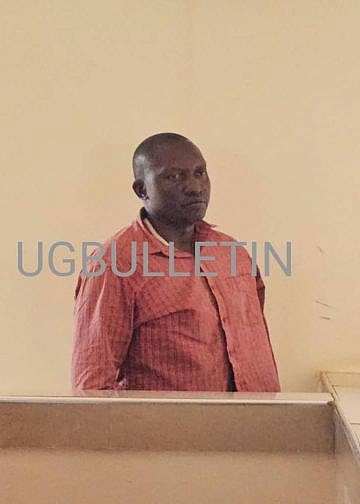
The police on Monday confirmed that at least 10 NUP supporters were recently taken into custody following allegations of engaging in unlawful military drills, an offence under the Penal Code Act. Of these, nine, including NUP Deputy Spokesperson Waiswa Mufumbiro, have since appeared in court.
Rusoke emphasized that these individuals were arrested based on credible investigations and have been charged in accordance with the law.
“Unlawful drilling has long existed as an offence in our legal system. It is surprising that politicians who have spent years in Parliament are now questioning its legitimacy through informal channels such as blogs,” he noted.
Criticism has mounted over the manner in which the arrests have been conducted, with some members of the public and civil society urging security forces to issue formal summons instead of carrying out what appear to be forceful detentions, often from private residences.
In response, Rusoke defended the operational discretion of law enforcement agencies. “Summoning suspects is a police prerogative. We may choose to issue a summons, make an arrest in public, or detain someone from any lawful location. No one under investigation can dictate the method of their arrest,” he stated.
The police spokesperson further cautioned political actors against exploiting the situation for what he termed as “political capital.” He called on all Ugandans, regardless of political affiliation, to respect the rule of law and due process.