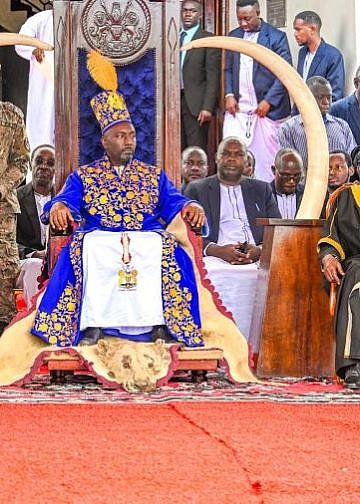








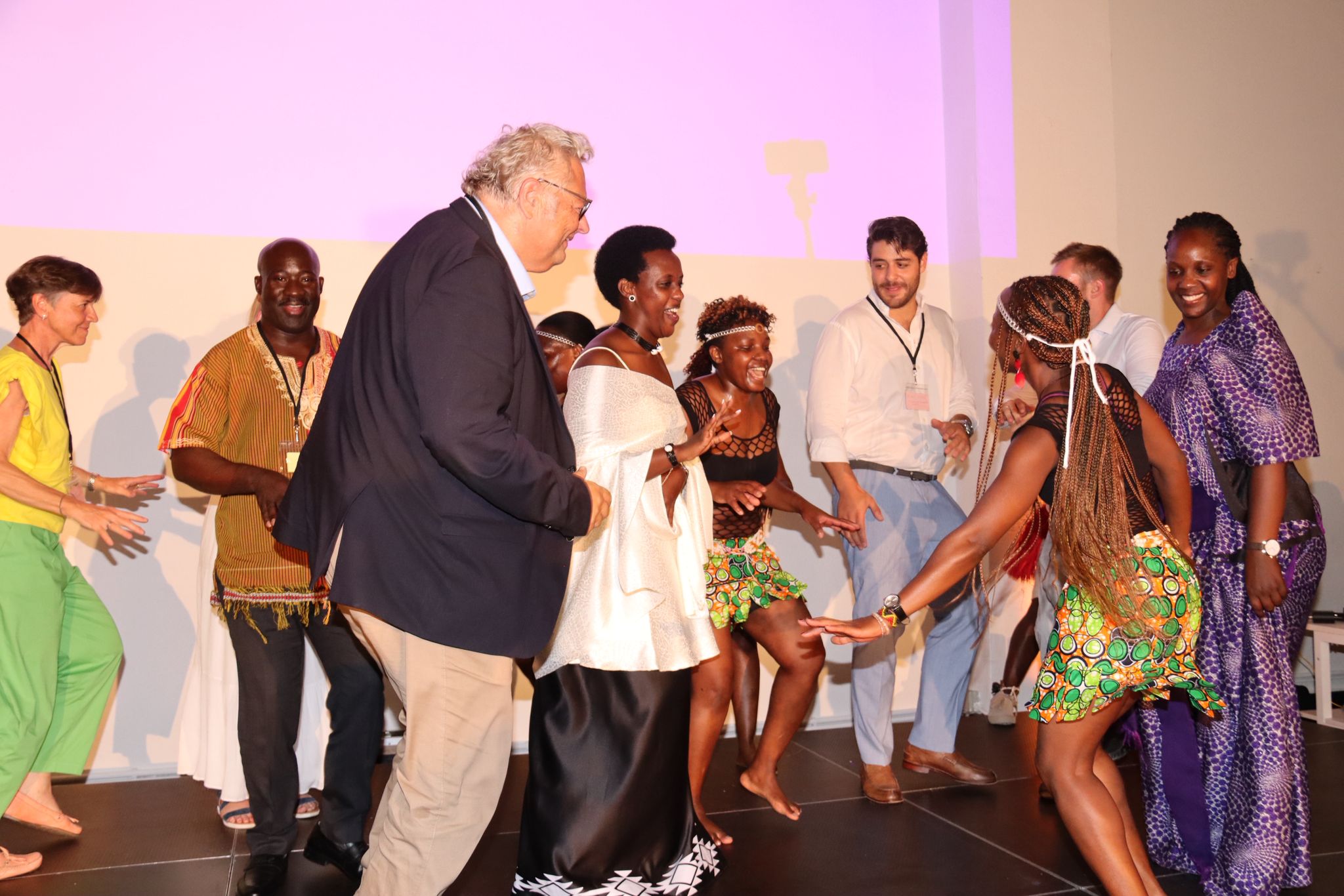
Uganda has opened its first Cultural and Tourism Festival in Germany, a three-day event in Munich that organisers describe as the largest public gathering of Ugandans ever held in the country.
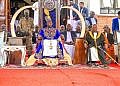
The festival opened on Thursday with traditional drumming and cultural performances, attracting Ugandans from across Germany and other parts of Europe, alongside German government officials, business leaders and members of the public experiencing Ugandan culture for the first time. In addition to music, dance, food and fashion exhibitions, the event features a business forum aimed at connecting diaspora entrepreneurs with German investors.
Uganda’s Permanent Secretary at the Ministry of Foreign Affairs, Vincent Bagiire Waiswa, officially opened the festival, describing it as an opportunity to strengthen relations between Uganda and Germany through cultural exchange, tourism, trade and investment.
He said the partnership was intended to promote “mutual learning through the exchange of best practices and experiences” while expanding cooperation beyond traditional development assistance.
Mariam Ataho, the President’s Private Secretary for Culture and Music Affairs, delivered a message from President Yoweri Museveni in which he reflected on a collection of 127 traditional songs and poems composed by the Banyankore-Bahororo and other communities in Uganda’s Great Lakes region.
President Museveni said the compositions, which predate colonial rule, explore themes such as love, wealth, drought and war. He noted that the music had declined during the spread of Christianity and Islam but was later revived, including during the liberation struggle in the Luwero Triangle in the 1980s.
He encouraged Ugandans living abroad to reconnect with their cultural heritage, describing the collection as “superior to anything I have ever had an opportunity to listen to,” while paying tribute to those who helped preserve the tradition.
Uganda’s Ambassador to Germany, Stephen Mubiru, said the festival marked the first time the embassy had brought together Uganda’s culture, tourism potential, business opportunities and diaspora community on a single platform.
He noted that Uganda is home to more than 56 indigenous communities and praised the diaspora for its contribution through remittances, entrepreneurship and investment, describing Ugandans abroad as “ambassadors of our nation every day.”
Alexander Dorow, a member of the Bavarian State Parliament, represented the regional government at the event. He highlighted the Gulu City Oktoberfest—modelled on Bavaria’s famous beer festival—as evidence of the growing cultural exchange between Uganda and Germany.
The Munich festival follows a tourism roadshow held two days earlier in Düsseldorf, where Ugandan officials promoted gorilla trekking, wildlife safaris and other tourism experiences to German tour operators.
Uganda’s Embassy Second Secretary, Jessica Namuddu, described tourism as “a bridge for cultural exchange and people-to-people connectivity” between the two countries.
Officials from the Uganda Tourism Board, including Marketing Manager Francis Nyende Hatinda and Tourism Development Commissioner Vivian Lyazzi, held meetings with German tour operators aimed at expanding Uganda-focused travel packages.
Germany remains one of Uganda’s leading source markets for international visitors alongside the United States, the United Kingdom and several East African neighbours, although officials acknowledged that European arrivals still account for a relatively small share of Uganda’s total tourist numbers.
Uganda and Germany have enjoyed diplomatic relations since 1962, with German development cooperation focusing on renewable energy, agriculture and the protection of Lake Victoria’s water resources.
Bilateral trade between the two countries was valued at approximately US$335 million in 2024. Uganda’s main exports to Germany include coffee, tea and fish, while machinery and chemical products account for most imports.
Under the European Union’s Everything But Arms (EBA) initiative, Ugandan products—excluding arms and ammunition—enter the German market duty-free and quota-free, an opportunity officials hope to leverage to attract more investment, tourism and trade.
The Munich festival forms part of a broader diplomatic campaign that has included similar promotional events in Paris and Turkey as Uganda competes with destinations such as Tanzania, Rwanda, Morocco and Egypt for a larger share of high-spending German and European travellers.
Tourism remains one of the pillars of Uganda’s economic transformation strategy. According to the Ministry of Tourism, Wildlife and Antiquities, the sector contributes nearly six per cent of Uganda’s Gross Domestic Product, supports more than 870,000 jobs and generated approximately US$1.7 billion in earnings last year.
International tourist arrivals increased to 1.65 million in 2025, up from 1.3 million the previous year.
Tourism is one of the four pillars of the government’s ATMS strategy—alongside agro-industrialisation, minerals, and science and technology—which aims to expand Uganda’s economy tenfold by 2040.
Officials say the Munich festival also reflects the Ministry of Foreign Affairs’ Economic and Commercial Diplomacy Strategy, under which Ugandan embassies abroad are being repositioned as active promoters of trade, tourism and investment.