


























The United States recently introduced new visa rules for Ugandan travelers, including single-entry limits, visa bonds, and a temporary pause on immigrant visas.
Under the new rules, consular officers may direct otherwise eligible applicants to post a bond of US$5,000, US$10,000 or US$15,000, depending on individual risk assessments conducted during visa interviews.
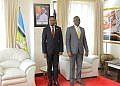
The measures, part of the Trump Administration’s broader effort to enforce immigration laws and protect national security, were explained by the US ambassador to Uganda, William Popp.
Ambassador Popp emphasized that nonimmigrant visas are a privilege, not a right, and must be used according to U.S. law.
“Remaining longer than authorized, violating the terms of your visa, or misusing a nonimmigrant visa can have serious, lasting consequences,” he said.
“By understanding and following U.S. nonimmigrant visa terms, Ugandan travelers help keep legitimate travel open and strengthen the enduring relationship between our two countries.”
Under the new regulations, most Ugandan tourist and business visas (B1/B2) will now be single-entry visas valid for three months, allowing holders to travel to the U.S. only once during that period.
The authorized stay will be determined by a Customs and Border Protection (CBP) officer at the port of entry, and overstaying could result in deportation or permanent ineligibility for future travel.
The Ambassador also highlighted the Visa Bond Pilot Program, which now includes Uganda. Eligible applicants may be required to post a bond of up to $15,000, refundable once travelers comply with U.S. visa terms, depart on time, and abide by all U.S. laws.
Importantly, he advised applicants not to pay the bond before their visa interview, as the consular officer will confirm eligibility and the bond amount.
Addressing immigrant visas, Ambassador Popp clarified that immigrant visa issuance for certain countries, including Uganda, is temporarily paused as of January 21, 2026. This measure aims to ensure that new immigrants are fully vetted and will not rely on public assistance.
He reassured that tourist, student, business, and other nonimmigrant visas are not affected, and previously issued immigrant visas remain valid.
The ambassador warned of consequences for visa misuse, noting that providing inaccurate information, overstaying, or violating visa conditions could lead to visa denial, revocation, deportation, or even criminal prosecution under Ugandan and U.S. law.
Ambassador Popp noted that these measures are intended to protect legitimate travel while maintaining the strong bilateral relationship between Uganda and the United States.
“Our goal is to ensure that travel is lawful, secure, and mutually beneficial,” he said.