










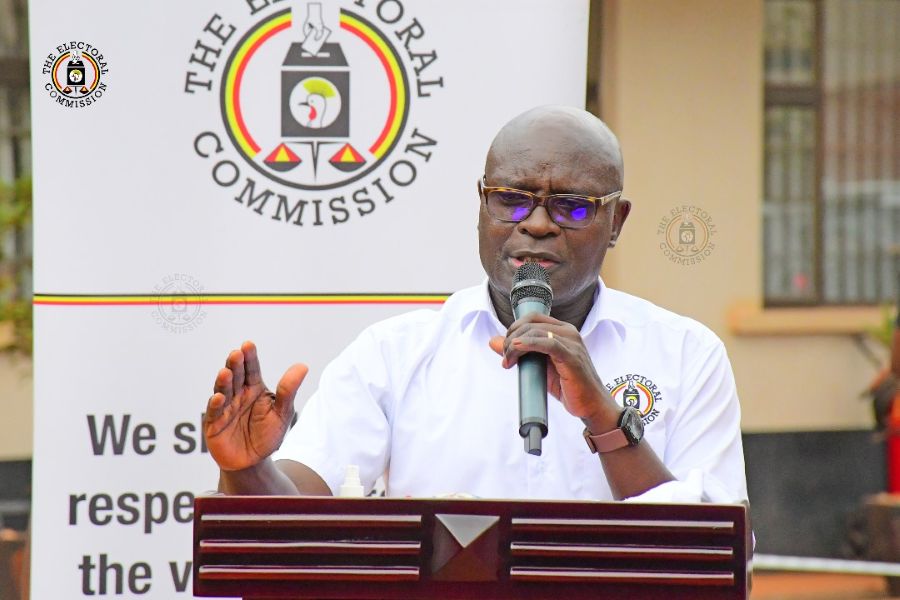
The Electoral Commission (EC) has announced Wednesday, February 4, 2026, as the new polling day for Local Government electoral areas where voting was either not conducted or not concluded during the recently held elections.
Announcing the decision, the EC Chairperson, Justice Simon Byabakama Mugenyi, said the move is intended to ensure that all affected voters are given an opportunity to elect their leaders.
“The Electoral Commission informs political parties, candidates, voters, and the general public that Wednesday, February 4, 2026, has been appointed as the polling day for Local Government Council elections in various electoral areas across the country where polling was not conducted or was not concluded on the previously appointed polling dates due to unforeseen circumstances,” Justice Byabakama said.
He noted that the elections will be conducted at city, district, municipality, city division, sub-county, town, and municipal division levels, where applicable.
Voters in the affected areas will elect chairpersons, directly elected councillors, women councillors, as well as councillors representing special interest groups, including youth, older persons, workers, and persons with disabilities (PWDs).
Polling will take place at all affected polling stations and at designated venues for electoral colleges, running from 7:00 a.m. to 4:00 p.m.
“The counting of votes and declaration of results shall commence immediately after the close of polling, in accordance with the law,” Justice Byabakama said.
The EC Chairperson further advised political parties and independent candidates that they will be allowed to deploy a maximum of two polling agents per polling station in the affected areas.
Justice Byabakama also urged voters and all stakeholders to participate in the exercise peacefully and in compliance with electoral laws and guidelines.
“The Electoral Commission urges all stakeholders and voters to participate peacefully and to comply with the electoral laws, regulations, and guidelines,” he said.
The announcement is aimed at completing the Local Government election process in areas where voting was disrupted or left unfinished during the earlier polls.