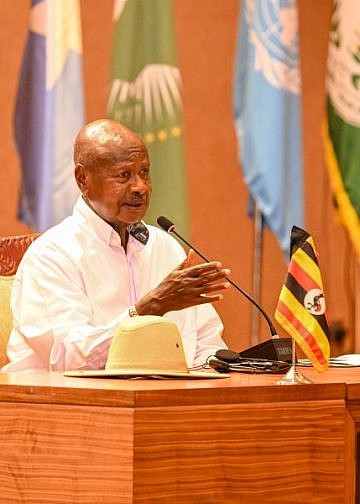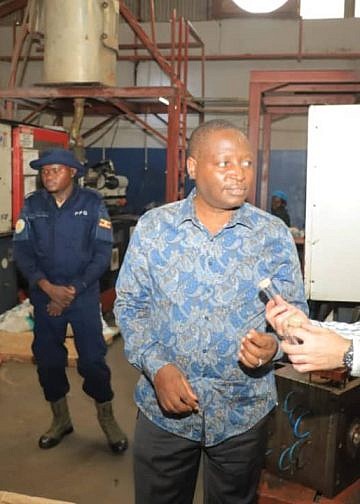











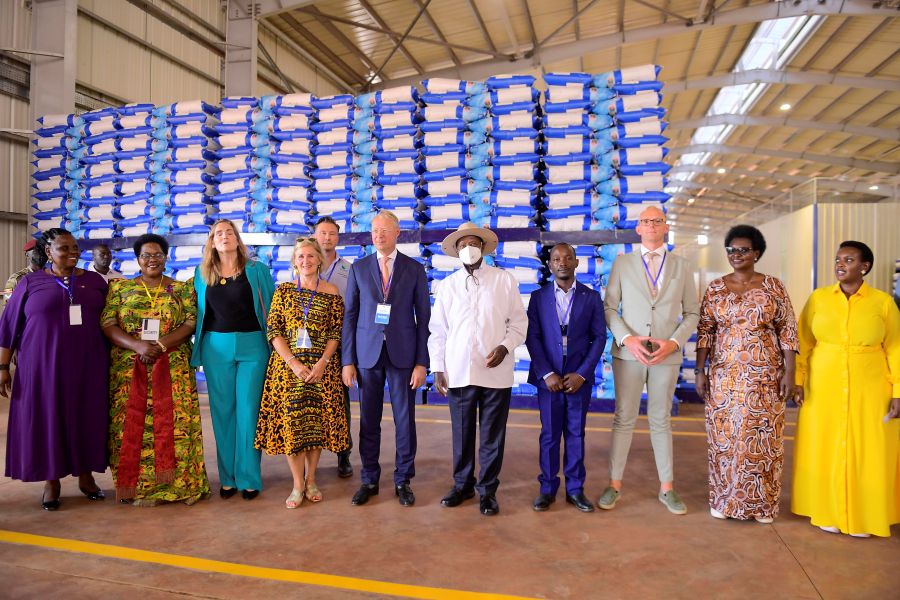
President Museveni has commissioned the De Heus Fish Feed Factory in Njeru, Buikwe District, marking a transformative milestone for Uganda’s aquaculture sector and national food security.
The Shs 110 billion ($25 million) investment by De Heus Uganda — a subsidiary of Royal De Heus of the Netherlands — is the largest fish feed factory in East Africa, with an annual production capacity of up to 100,000 tonnes.
The facility is expected to end Uganda’s dependence on imported fish feeds, reduce production costs for farmers, and create between 7,000 and 10,000 jobs.
Museveni described the development as a timely solution to a key challenge limiting fish farming under the Parish Development Model.
“Fish feed has been a serious bottleneck. With this factory, Uganda secures a reliable supply, benefits from foreign capital, technology transfer, and generates new jobs,” he said.
The president noted that Uganda is promoting aquaculture as an alternative to swamp rice farming, which he warned affects rainfall patterns.
He also pledged government support through affordable raw materials to ensure the factory’s sustainability.
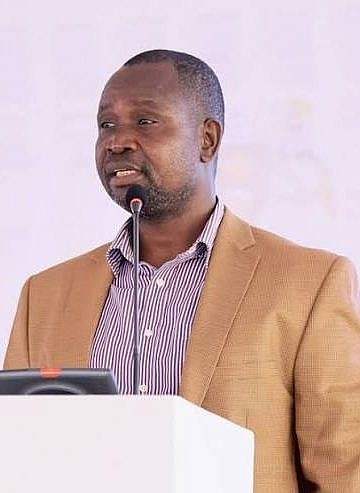
State Minister for Fisheries Hellen Adoa said the factory addresses a major hurdle for the sector: the high cost and scarcity of fish feeds.
“For years we relied on imports, but today Uganda manufactures its own feeds — this is a turning point,” she said.
Ambassador Frederieke Quispel of the Netherlands praised the strong bilateral cooperation that enabled the project. “Uganda and the Netherlands are both agricultural nations. This partnership demonstrates shared commitment to investment, trade, and food security,” she said.
De Heus, known locally for its Koudijs brand, has been active in Uganda since 2018. CEO Co de Heus said the company’s global expertise in animal nutrition ensures Ugandan fish farmers access high-quality feed and professional support to increase productivity.
The factory’s commissioning signals a new era for Uganda’s aquaculture, with stronger value chains, increased export potential, and expanded economic opportunities for thousands of households.