








A massive transformation is underway in Northern Uganda, with the construction of Akii Bua Stadium in Lira City being hailed as the game-changer that could redefine the economic and social outlook of the Lango sub-region.
Officials are confident the stadium will not only restore the region’s sporting heritage but will also drive a wave of growth in business, infrastructure, tourism, and youth employment.
The 20,000-seater facility, named in honour of John Akii Bua, Uganda’s first Olympic gold medallist and a native of the region, has become a beacon of pride and purpose for the people of Lango. While it stands as a tribute to a national icon, leaders believe the project is more than a memorial — it’s a strategic investment in Northern Uganda’s future.
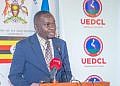
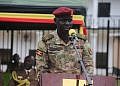
Speaking from the construction site, Lira City Mayor Sam Atul described the stadium as a “historic milestone” that marks the rebirth of Lango’s sporting and economic legacy.
“This is the land of Akii Bua. He brought global honour to Uganda. Now, we are turning that history into a platform for growth. The stadium is a symbol of what we can achieve as a region when given the right tools and infrastructure,” Mayor Atul said.
The mayor emphasized that Lango has always contributed significantly to Uganda’s sporting talent pool, referencing Cranes and Vipers footballer, Allan Okello, who hails from Lira.
“From Akii Bua to Okello, this region has always produced greatness. Now we’re creating a space where future champions can be nurtured.”
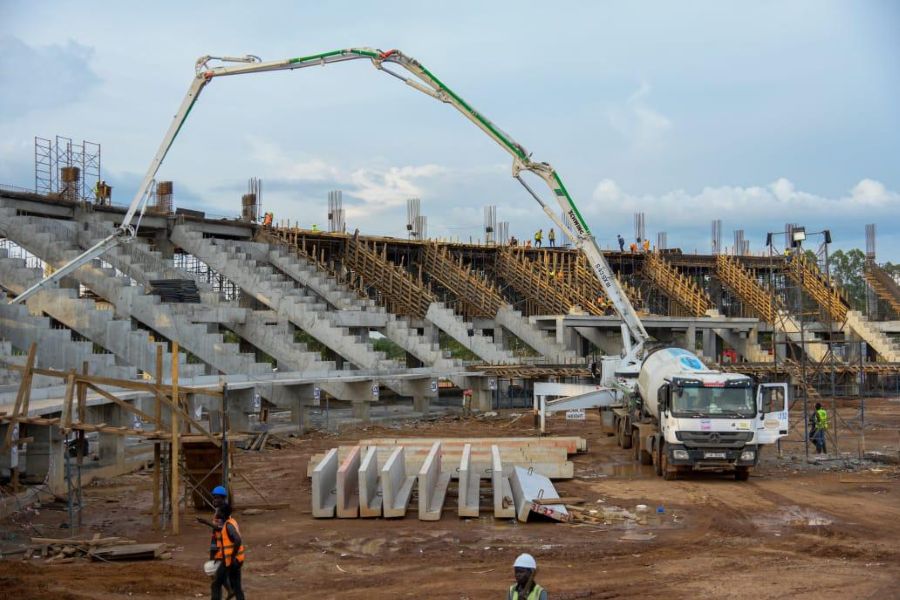
According to the Project Manager of Samco Construction, Mohamed Nazir, the stadium has already reached 30% completion. The initial contract puts the completion date at January 2027, but Nazir is confident the project will be delivered ahead of schedule in October 2026.
What sets this project apart is its strong commitment to local employment and sourcing.
“We currently have 950 workers on site, and more than 90% of them are from Lira. We’re sourcing nearly all materials from within Uganda — granite, sand, cement, steel — all local. Only specialized materials not available in the country are imported,” Nazir explained.
This approach has created jobs, stimulated small business activity, and ensured that a significant portion of project spending remains within the local economy.
The benefits of the stadium extend well beyond the structure itself. Lira City is already experiencing improved infrastructure, including new roads and urban connectivity. As part of the stadium project, Samco will also construct a 70-kilometre road connecting Lira to Gulu Airport via Aboke and Bobi, in addition to feeder roads surrounding the stadium.
Resident City Commissioner (RCC) Lawrence Egole said these developments are in line with President Museveni’s vision of regional equity and prosperity through infrastructure and job creation.
“Lira is not what it used to be. Today, it’s a city with modern roads, upgraded healthcare, and increasing business activity. The stadium is part of a broader transformation. We are finally getting the recognition and investment we deserve,” Egole said.
He added that Lira is now ranked among the top five revenue-generating cities in Uganda, a testament to the city’s growing economic stature.
Hub for tourism, investment, sport
Once completed, Akii Bua Stadium is expected to serve as a major attraction for both sports tourism and urban development. Officials foresee increased demand for hotels, restaurants, transport, and other services as events begin drawing crowds from across the country and the region.
“When you host a national event here, thousands of people come. That boosts every sector — from boda bodas to hotels to market vendors. It’s a full economic chain,” said Mayor Atul.
Business investors are already taking note. With the stadium and new roads under construction, many are planning for new hotels, entertainment centres, and commercial enterprises to serve the growing population and visitor traffic.
The success of the Lango football team, which recently won the national Drum tournament, has added momentum to the narrative that the region is rich in untapped sporting talent. Leaders believe that with proper infrastructure like Akii Bua Stadium, more athletes from Lango will rise to national and international prominence.
“This is a place filled with champions — they just need the right environment to thrive,” said Atul. “The stadium is not just concrete and steel. It’s a foundation for dreams.”