










Parliament has passed the contentious Uganda People’s Defence Forces (UPDF) Amendment Bill, 2025, expanding the jurisdiction of military courts to try civilians a move that has sparked widespread outrage and could set the stage for a new legal battle with the opposition and civil society.
The Bill, which now awaits presidential assent to become law, contradicts a Supreme Court ruling delivered in January 2025, which clearly outlawed the trial of civilians in military courts, citing violations of the right to a fair trial.
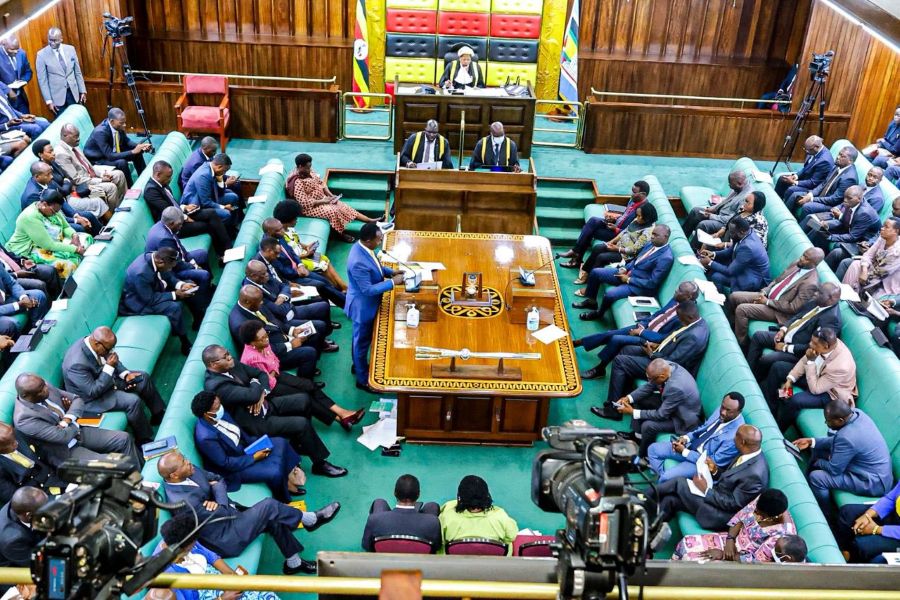
Tuesday’s parliamentary session turned chaotic when opposition Members of Parliament, led by Leader of Opposition Joel Ssenyonyi, stormed out in protest.
The legislators accused the Defence and Internal Affairs Committee of rushing the process and failing to provide adequate time for public scrutiny and submissions.
Opposition MPs have vowed to take legal action against the government, accusing it of contempt of court and a deliberate effort to undermine judicial authority.
Civil society organisations have also condemned the move, calling it a dangerous precedent in a democratic society.
The UPDF Amendment Bill was tabled last week, ostensibly to align military law with the Supreme Court’s decision.
However, critics argue that instead of limiting the military’s reach, the bill does the opposite reinforcing and expanding its authority.
Aside from the contentious civilian trial clause, the Bill introduces several structural and welfare reforms within the military. These include; Establishment of new service branches under the UPDF.
Reform of the military justice system, which proposes renaming the Unit Disciplinary Committee to the Unit Court Martial, and disbanding the Court Martial Appeals Court.
The new structure will include three tiers; Unit Court Martial, Division Court Martial, and the General Court Martial.
Transfer of the Pension Authority from the Ministry of Public Service to the Ministry of Defence and Veteran Affairs.
Enhanced disability compensation for both officers and enlisted personnel and improvement of healthcare services for military personnel.
While the government has defended the reforms as necessary for modernizing the army and improving soldier welfare, opposition figures remain unconvinced.
As the bill awaits the president’s signature, legal experts predict a drawn-out constitutional challenge, one that may once again put Uganda’s separation of powers to the test.